Carbon Sequestration in Agriculture: A Complete Framework
Agricultural supply chains stand at a critical crossroads. With 33% of global soils degraded according to UN FAO data, businesses face mounting pressure to transform their operations while meeting ambitious Net Zero targets. Carbon sequestration—the process of capturing and storing atmospheric carbon dioxide in soil—offers a powerful solution that addresses both environmental imperatives and business objectives. This comprehensive framework guides businesses through integrating carbon sequestration practices into agricultural supply chains, creating measurable impact from farm to final product.
For industries like textiles and fashion that depend heavily on agricultural inputs, implementing carbon sequestration strategies represents more than environmental responsibility. It creates supply chain resilience, unlocks new revenue streams through carbon credits, and positions businesses as leaders in the transition toward regenerative agriculture. The framework outlined here provides actionable steps for businesses ready to transform their agricultural partnerships into engines of climate action.
Understanding Carbon Sequestration in Agricultural Systems
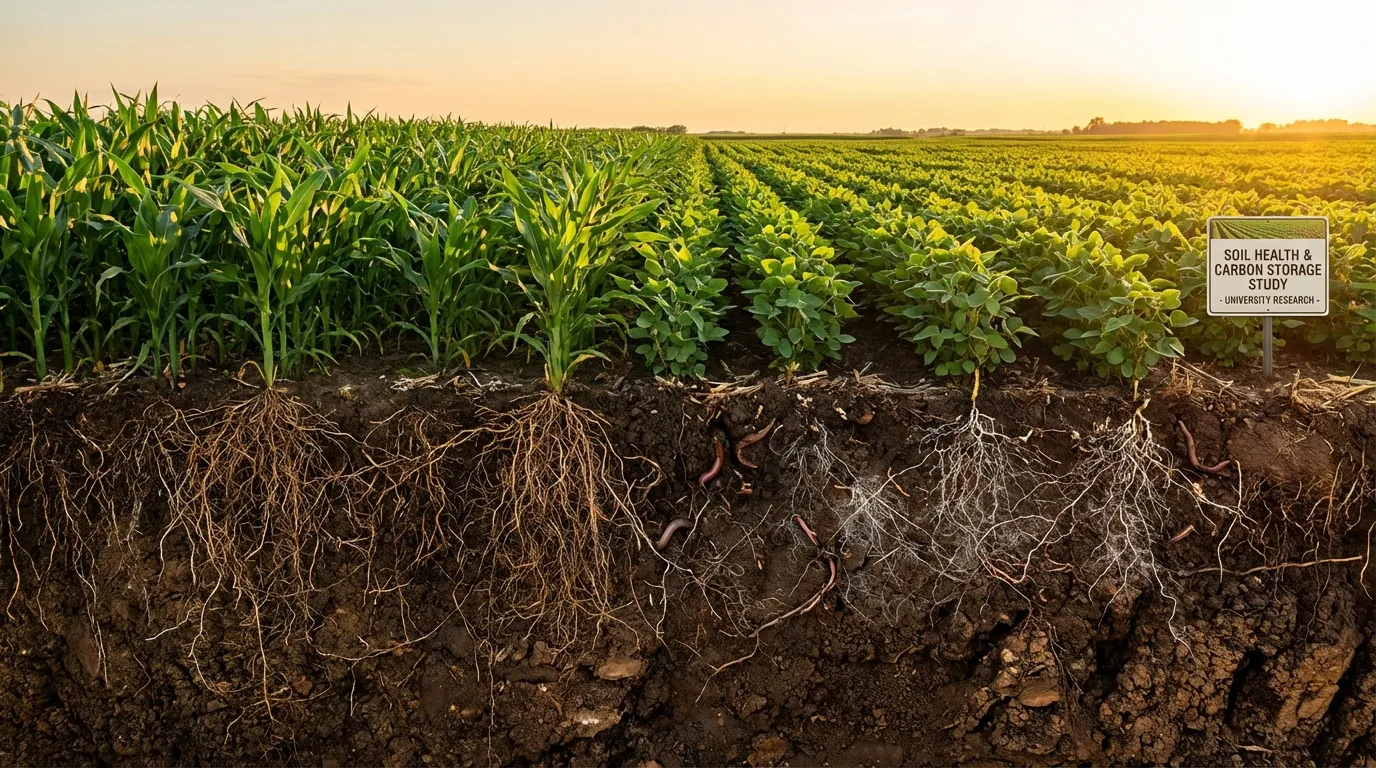
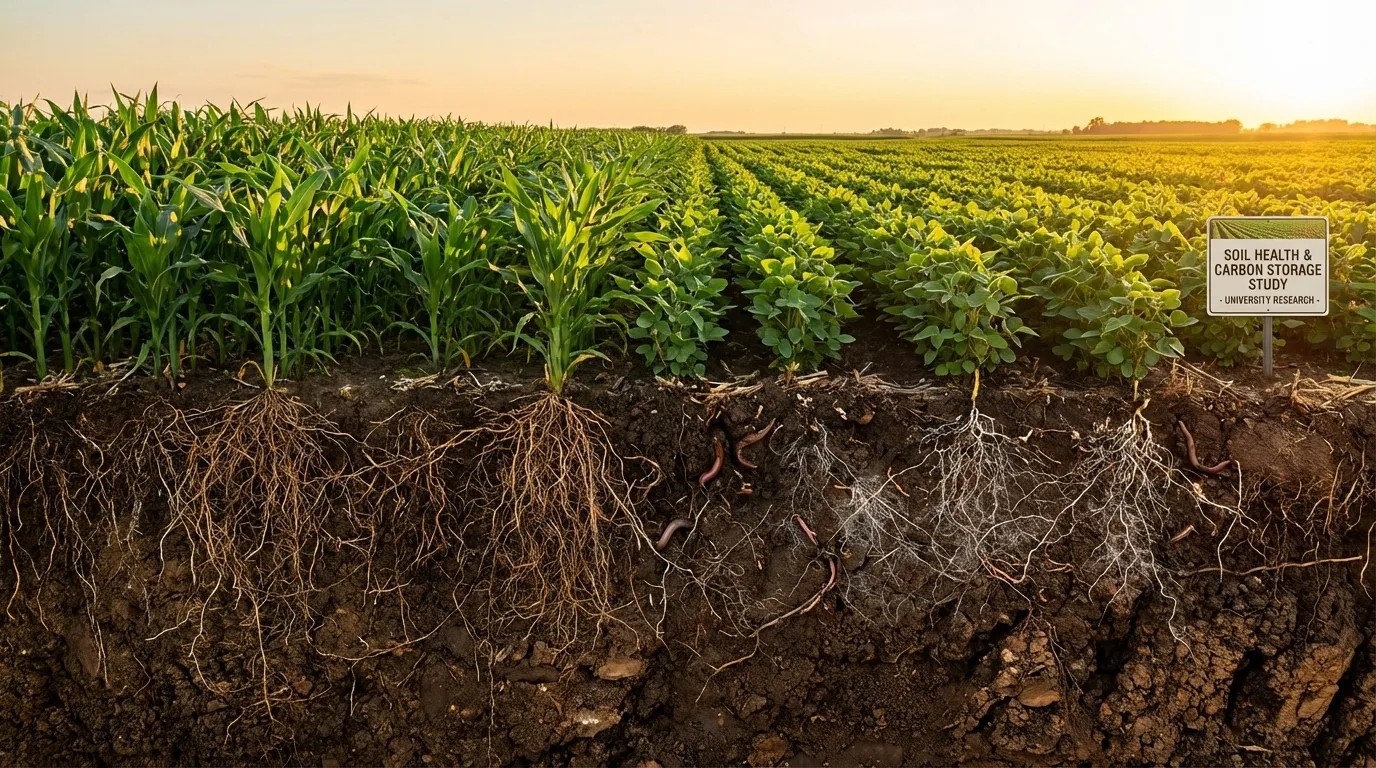
Carbon sequestration in agriculture refers to the process by which plants capture carbon dioxide from the atmosphere through photosynthesis and transfer it into the soil through their root systems and decomposing organic matter. When managed properly, agricultural soils become significant carbon sinks, storing carbon for decades or even centuries. This natural process offers one of the most scalable and cost-effective climate mitigation strategies available today.
The science behind soil carbon storage is straightforward yet profound. Plants absorb CO2 from the air and convert it into sugars and other organic compounds. These compounds feed soil microorganisms, which in turn create stable soil organic matter. Healthy soils can store up to 20 times more carbon than degraded soils, making soil health restoration a critical climate strategy. The global potential for agricultural carbon sequestration is estimated at 2-5 gigatons of CO2 equivalent per year—a substantial contribution toward limiting global temperature rise.
However, conventional agricultural practices have reversed this natural carbon storage process. Intensive tillage, monoculture cropping, excessive chemical inputs, and removal of organic matter have released massive amounts of stored carbon back into the atmosphere. The result is a double crisis: degraded soils that produce lower yields while contributing to climate change. Reversing this trend through regenerative agriculture and carbon sequestration practices offers businesses an opportunity to heal both land and climate simultaneously.
For businesses integrating carbon sequestration into their supply chains, understanding this biological process is essential. It informs decisions about which farming practices to support, how to measure success, and how to communicate impact to stakeholders. The transition from extractive to regenerative agriculture represents a fundamental shift in how businesses relate to the land that sustains their operations.
The Business Case for Carbon Sequestration Integration
Integrating carbon sequestration into agricultural supply chains delivers compelling business advantages that extend far beyond environmental compliance. Companies that embrace this transformation position themselves for long-term competitive advantage in an increasingly carbon-constrained economy.
Environmental benefits form the foundation of the business case. By supporting regenerative farming practices that enhance carbon sequestration, businesses directly contribute to climate change mitigation. Each ton of carbon sequestered in soil represents approximately 3.67 tons of CO2 removed from the atmosphere. Beyond carbon capture, these practices restore soil health, increase biodiversity, improve water retention, and reduce agricultural runoff—creating multiple environmental wins from a single intervention.
Economic advantages make carbon sequestration integration financially attractive. Farmers practicing regenerative agriculture often see increased crop yields after a transition period, as healthier soils produce more resilient crops. Carbon credits generated through verified sequestration provide additional revenue streams that can be shared between businesses and farming partners. Supply chain resilience improves as regenerative farms prove more resistant to climate shocks like drought and flooding. Input costs decrease as farmers reduce dependence on synthetic fertilizers and pesticides.
Regulatory compliance and Net Zero achievement represent increasingly urgent business drivers. Governments worldwide are implementing climate policies that require businesses to measure, report, and reduce their carbon footprints. Agricultural supply chains often represent the largest portion of a company's Scope 3 emissions. Carbon sequestration provides a credible pathway to offset these emissions while supporting the transition to regenerative practices. For companies with Net Zero commitments, verified agricultural carbon sequestration offers high-quality offsets that demonstrate genuine climate action.
Brand reputation and stakeholder engagement benefits extend throughout the value chain. Consumers increasingly demand transparency about environmental impacts, particularly in industries like textiles and fashion. Verified carbon sequestration claims differentiate brands in crowded markets. Investors and financial institutions favor companies with robust climate strategies. Employees feel pride working for organizations that demonstrate environmental leadership. These intangible benefits translate into tangible business value through customer loyalty, talent retention, and access to capital.
Step 1: Assessing Your Current Agricultural Supply Chain
Successful carbon sequestration integration begins with a comprehensive assessment of your existing agricultural supply chain. This diagnostic phase establishes the baseline from which progress will be measured and identifies the highest-impact opportunities for intervention.
Start by mapping your complete supply chain from farm to final product. Document every stage where agricultural inputs enter your operations. For textile businesses, this includes cotton farms, natural fiber producers, and any agricultural raw materials. Identify the geographic locations of farming operations, the number of farmers in your network, the acreage under cultivation, and current farming practices employed. This mapping exercise often reveals supply chain complexity that wasn't previously visible to sustainability teams.
Next, identify carbon-intensive processes and soil degradation hotspots within your supply chain. Conduct site visits or remote assessments to evaluate soil health at key farming locations. Look for indicators of degradation such as erosion, compaction, low organic matter content, and poor water infiltration. Document current practices that contribute to carbon loss, including intensive tillage, continuous monoculture, bare soil periods, and excessive chemical inputs. These hotspots represent your highest-priority opportunities for carbon sequestration intervention.
Establish baseline carbon footprint measurements for your agricultural supply chain. This requires collecting data on current emissions from farming operations, including fuel use, fertilizer application, pesticide use, and irrigation. Simultaneously, measure existing soil organic carbon levels through soil testing at representative locations. These baseline measurements provide the reference point against which future carbon sequestration will be calculated. Without accurate baselines, demonstrating impact becomes impossible.
Evaluate the environmental and economic performance of current farming practices. Assess crop yields, input costs, farmer profitability, and environmental indicators like water use and biodiversity. Understanding the full picture of current performance helps identify win-win opportunities where regenerative practices can improve both environmental and economic outcomes. This evaluation also reveals potential barriers to adoption, such as tight profit margins or knowledge gaps that must be addressed.
Finally, identify specific opportunities for regenerative agriculture integration based on your assessment findings. Prioritize interventions that offer the greatest carbon sequestration potential while addressing farmer needs and business objectives. Consider factors like soil type, climate, crop systems, and existing farmer capabilities. This strategic prioritization ensures that limited resources focus on interventions with the highest probability of success and the greatest measurable impact on carbon sequestration.
Step 2: Establishing Regenerative Farming Partnerships
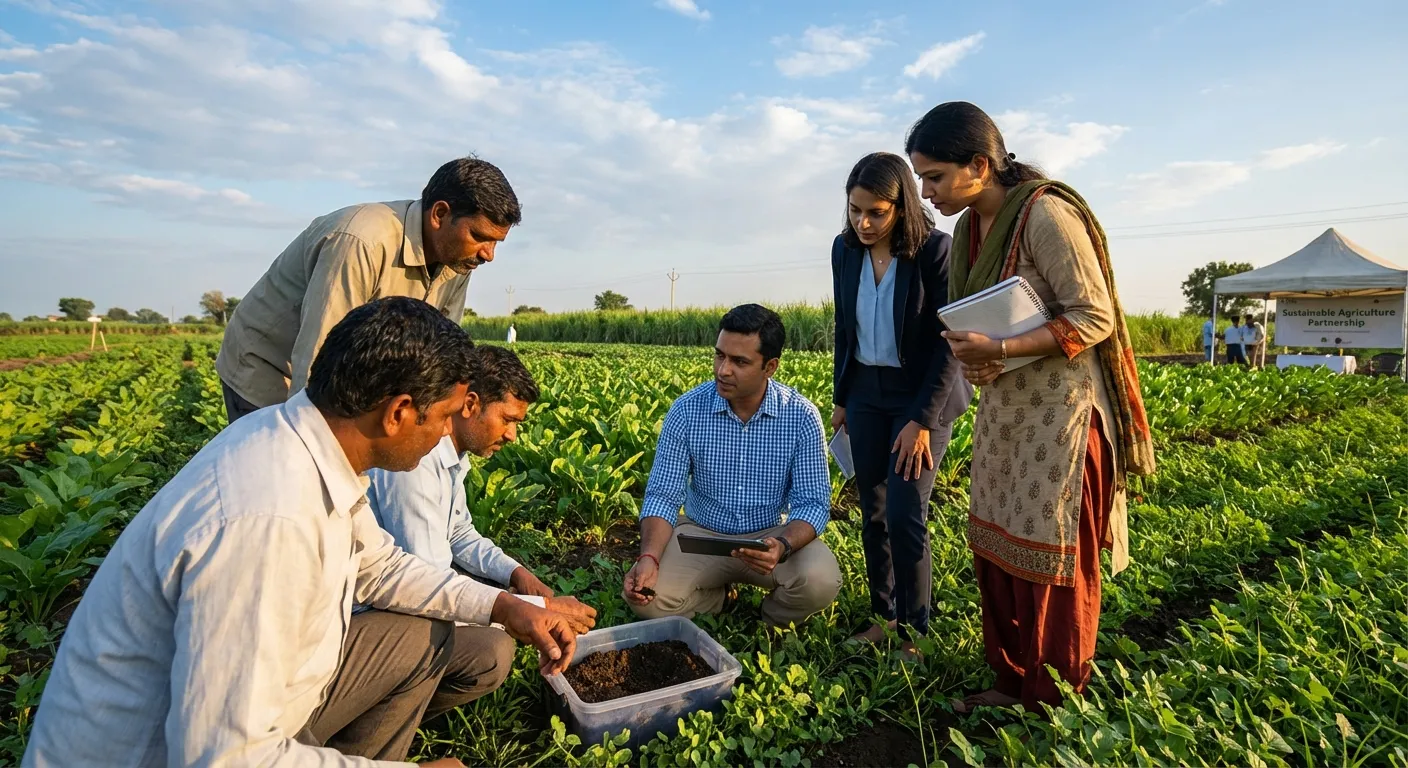
The success of carbon sequestration integration depends entirely on the strength of partnerships with farmers. These relationships must be built on mutual benefit, trust, and shared commitment to long-term transformation. Farmers are not simply suppliers to be managed but essential partners in climate action whose knowledge and dedication make carbon sequestration possible.
Identify and engage farmers in your supply chain who show interest in transitioning to regenerative practices. Begin with early adopters who demonstrate openness to innovation and willingness to experiment. These pioneer farmers become champions who demonstrate results to their peers, accelerating broader adoption. Engagement should involve direct communication about the benefits of carbon sequestration, both environmental and economic. Be transparent about the transition process, including potential challenges during the initial years.
Build collaborative relationships based on genuine partnership rather than top-down mandates. Farmers have generations of agricultural knowledge that must be respected and integrated with regenerative agriculture principles. Create forums for dialogue where farmers can voice concerns, share experiences, and contribute to program design. Recognize that farmers face real financial pressures and risk aversion that must be addressed through the partnership structure. The most successful programs treat farmers as co-creators rather than passive recipients of training.
Develop comprehensive farmer training programs that build capacity for regenerative agriculture and carbon sequestration practices. Training should cover both the "why" and the "how"—the science behind carbon sequestration and the practical techniques for implementation. Topics include soil health assessment, cover cropping, composting, reduced tillage, crop rotation, and integrated pest management. Training delivery should combine classroom learning with hands-on field demonstrations and peer-to-peer learning. Ongoing support through field visits and technical assistance helps farmers troubleshoot challenges during implementation.
Create incentive structures that make carbon sequestration adoption economically attractive for farmers. This may include upfront payments to offset transition costs, premium prices for crops grown using regenerative practices, or revenue sharing from carbon credits generated. Financial incentives should be structured to reward both adoption of practices and achievement of measurable carbon sequestration outcomes. Consider multi-year commitments that provide farmers with income stability during the transition period when yields may temporarily dip.
Address farmer concerns and barriers proactively. Common concerns include fear of yield loss, lack of access to equipment for new practices, insufficient knowledge about regenerative techniques, and uncertainty about market demand for regeneratively grown products. Develop specific solutions for each barrier, such as equipment sharing programs, guaranteed purchase agreements, or crop insurance that covers transition risks. The goal is to make the transition to carbon sequestration practices as low-risk as possible for farming partners.
Step 3: Implementing Carbon Sequestration Practices
With partnerships established and farmers trained, implementation of specific carbon sequestration practices can begin. The following regenerative agriculture techniques have proven effectiveness for enhancing soil carbon storage while improving overall farm productivity and resilience.
Cover cropping and crop rotation strategies form the foundation of agricultural carbon sequestration. Cover crops, plants grown between cash crop seasons, keep living roots in the soil year-round, continuously feeding soil microorganisms and building organic matter. Species like legumes, grasses, and brassicas each contribute different benefits, from nitrogen fixation to deep soil penetration. Diverse crop rotations break pest and disease cycles while adding varied organic matter to soil. Implementation requires planning crop sequences that complement cash crops and selecting cover crop species appropriate for local climate and soil conditions.
No-till and reduced tillage farming methods prevent the release of stored soil carbon that occurs when soil is disturbed. Conventional plowing exposes soil organic matter to oxygen, accelerating decomposition and releasing CO2. No-till farming leaves soil structure intact, protecting carbon stores while reducing erosion and improving water infiltration. Transitioning to no-till requires specialized equipment and new weed management strategies, but the carbon sequestration benefits are substantial, studies show no-till systems can sequester 0.5 to 1 ton of carbon per hectare annually.
Composting and organic matter integration directly add carbon to soil while improving soil structure and fertility. Compost made from crop residues, animal manures, and other organic materials provides a stable form of carbon that resists decomposition. Application of compost increases soil organic carbon levels, enhances microbial activity, and improves nutrient availability for crops. Farmers can produce compost on-farm or source it from regional facilities. The key is consistent application over time to build soil carbon stocks progressively.
Agroforestry and perennial crop systems offer particularly high carbon sequestration potential. Trees and perennial plants develop extensive root systems that store carbon deep in soil profiles. Integrating trees into agricultural landscapes, whether as windbreaks, alley cropping systems, or silvopasture, adds woody biomass carbon storage to soil carbon sequestration. For appropriate crops and climates, transitioning from annual to perennial varieties eliminates the soil disturbance of annual planting while building carbon stocks year after year.
Livestock integration and holistic grazing management can enhance carbon sequestration when properly managed. Rotational grazing that mimics natural herbivore patterns stimulates plant growth and root development, increasing carbon inputs to soil. Animal manures add organic matter directly. The key is avoiding overgrazing that degrades soil and vegetation. Holistic planned grazing systems that move livestock frequently allow pastures to recover fully, maximizing both carbon sequestration and forage production.
Measuring and Verifying Carbon Capture
Credible carbon sequestration claims require rigorous measurement and verification. Businesses must implement robust monitoring systems that track carbon capture accurately and transparently, satisfying both internal reporting needs and external verification standards.
Soil testing methodologies provide the foundation for carbon measurement. Baseline soil samples should be collected before implementing regenerative practices, with follow-up sampling at regular intervals, typically annually or every two years. Samples must be collected using standardized protocols that specify sampling depth, number of samples per field, and timing. Laboratory analysis measures soil organic carbon content, typically expressed as a percentage of soil mass. Changes in soil organic carbon over time, combined with soil bulk density measurements, allow calculation of total carbon sequestration per hectare.
Data collection systems and digital integration tools streamline the measurement process and improve accuracy. Mobile applications enable field staff to record soil samples, GPS coordinates, and farming practice data directly from farm locations. Cloud-based platforms aggregate data from multiple farms, providing real-time visibility into carbon sequestration progress across the entire supply chain. Digital tools reduce manual data entry errors and create audit trails that support verification processes. Integration with existing supply chain management systems ensures carbon data flows seamlessly into broader sustainability reporting.
Third-party verification and certification processes provide independent validation of carbon sequestration claims. Organizations like Verra, Gold Standard, and the Climate Action Reserve offer carbon credit standards that specify measurement protocols, verification requirements, and credit issuance procedures. Third-party verifiers audit soil testing data, review farming practice records, and conduct site visits to confirm that carbon sequestration has occurred as claimed. This independent verification is essential for generating carbon credits and for making public claims about carbon sequestration impact.
Establishing monitoring, reporting, and verification (MRV) frameworks creates systematic processes for ongoing carbon accounting. MRV frameworks specify what data will be collected, how frequently, by whom, and using what methods. They define roles and responsibilities for data quality assurance and establish protocols for data storage and security. Robust MRV frameworks ensure consistency over time and across different farming locations, making carbon sequestration data comparable and credible. These frameworks should align with recognized carbon accounting standards and climate policy requirements.
Leveraging technology for accurate carbon accounting improves both precision and cost-effectiveness. Remote sensing technologies using satellite imagery can monitor vegetation health and soil moisture across large areas, providing proxy indicators of soil carbon changes. Soil sensors deployed in fields provide continuous data on soil conditions. Modeling tools combine measured data with climate, soil type, and management practice information to estimate carbon sequestration at scale. While these technologies don't replace soil testing entirely, they enhance measurement systems and reduce the cost per hectare of carbon monitoring.
Monetizing Carbon Sequestration Through Credits and Markets
Carbon credits transform environmental benefits into economic value, creating revenue streams that support continued investment in regenerative agriculture. Understanding carbon markets and credit generation processes enables businesses to maximize the financial returns from carbon sequestration efforts.
Understanding carbon credit markets and pricing mechanisms is essential for developing monetization strategies. Carbon credits represent one metric ton of CO2 equivalent removed from the atmosphere or prevented from being emitted. These credits can be sold to companies seeking to offset their emissions. Two main markets exist: compliance markets where regulations require emissions reductions, and voluntary markets where companies purchase credits to meet self-imposed climate goals. Prices vary widely based on credit quality, verification standards, and market demand, ranging from a few dollars to over $50 per ton. Agricultural carbon credits typically command premium prices due to their co-benefits for soil health and rural livelihoods.
Eligibility requirements for carbon credit programs determine which carbon sequestration activities can generate credits. Most programs require additionality, the carbon sequestration must be beyond what would have occurred under business-as-usual practices. Permanence requirements ensure carbon remains stored for specified periods, typically 10-100 years. Projects must demonstrate that carbon sequestration is measurable, verifiable, and not claimed by multiple parties. Understanding these requirements during program design ensures that carbon sequestration activities qualify for credit generation.
Documentation and verification for credit generation involves substantial record-keeping and reporting. Farmers must document all management practices, including dates of cover crop planting, tillage events, compost applications, and other activities affecting carbon sequestration. Soil testing records must follow approved protocols. Third-party verifiers review this documentation and conduct field audits before credits are issued. The documentation burden can be significant, making digital data collection tools and streamlined processes essential for cost-effective credit generation.
Revenue sharing models between businesses and farmers must be structured to fairly distribute carbon credit income while covering program costs. Common approaches include splitting credit revenue 50-50 between farmers and the business coordinating the program, or providing farmers with a fixed payment per hectare while the business retains credits. Some models give farmers the option to receive upfront payments or share in credit sales. The optimal structure depends on farmer preferences, program costs, and market conditions. Transparency about costs and revenues builds trust and ensures farmers receive fair compensation for their carbon sequestration efforts.
Navigating voluntary versus compliance carbon markets requires understanding the trade-offs between market types. Voluntary markets offer more flexibility in project design and faster time to market, but prices may be lower and more volatile. Compliance markets provide price stability and larger transaction volumes but involve more stringent requirements and longer approval processes. For businesses beginning carbon sequestration integration, voluntary markets often provide an accessible entry point, with the option to pursue compliance market credits as programs mature and scale.
Integrating Carbon Sequestration Data into Supply Chain Operations

Carbon sequestration data becomes most valuable when fully integrated into supply chain operations and corporate sustainability reporting. This integration enables data-driven decision-making, transparent stakeholder communication, and alignment with climate policy requirements.
Digital platforms for data integration and transparency serve as the central nervous system for carbon sequestration programs. These platforms aggregate data from farm-level soil testing, practice monitoring, and verification processes, making it accessible to supply chain managers, sustainability teams, and external stakeholders. Cloud-based systems enable real-time visibility into carbon sequestration progress across geographically dispersed farming operations. Dashboard interfaces present complex data in intuitive visualizations that support decision-making. API integrations connect carbon data with enterprise resource planning (ERP) systems, sustainability reporting platforms, and customer-facing transparency tools.
Connecting farm-level data with corporate sustainability reporting ensures that carbon sequestration achievements contribute to company-wide climate goals. Data flows from individual farms roll up to regional, national, and global totals that populate sustainability reports and carbon disclosures. This connection requires standardized data formats and clear methodologies for aggregating and reporting carbon sequestration across diverse farming systems. Integration with frameworks like the Greenhouse Gas Protocol, CDP (formerly Carbon Disclosure Project), and Science Based Targets initiative ensures that carbon sequestration data meets external reporting standards.
Blockchain and traceability solutions for carbon claims provide immutable records that prevent double-counting and enhance credibility. Blockchain technology creates transparent, tamper-proof records of carbon credit generation, ownership, and retirement. For supply chain traceability, blockchain can link specific agricultural products to the carbon sequestration practices used in their production, enabling verified sustainability claims at the product level. While blockchain implementation involves technical complexity, the transparency and trust benefits make it increasingly attractive for high-value carbon sequestration programs.
Dashboard and analytics for stakeholder engagement transform raw carbon data into compelling narratives for diverse audiences. Investor-focused dashboards emphasize carbon sequestration's contribution to Net Zero targets and climate risk mitigation. Customer-facing interfaces highlight the environmental benefits of products sourced from regenerative farms. Farmer dashboards show individual progress and compare performance to peers, motivating continued improvement. Analytics capabilities enable identification of best practices, prediction of carbon sequestration potential, and optimization of program interventions across the supply chain.
Aligning data with climate policy and regulatory requirements ensures compliance and positions businesses to benefit from emerging policy incentives. Governments worldwide are developing agricultural carbon policies, from carbon credit programs to regenerative agriculture subsidies. Data systems must be designed to meet current and anticipated reporting requirements. This includes tracking not just carbon sequestration but also related metrics like fertilizer use, water consumption, and biodiversity indicators. Proactive alignment with climate policy requirements reduces compliance costs and enables access to government support programs for regenerative agriculture.
Overcoming Implementation Challenges
Despite the compelling benefits of carbon sequestration integration, businesses and farmers face real challenges during implementation. Anticipating and addressing these obstacles increases the likelihood of program success and long-term sustainability.
Addressing knowledge gaps through training and capacity building represents the most fundamental challenge. Regenerative agriculture requires different skills and knowledge than conventional farming. Farmers must understand soil biology, cover crop selection, integrated pest management, and carbon measurement protocols. Supply chain managers need training on regenerative agriculture principles, carbon accounting, and farmer engagement strategies. Comprehensive training programs must be ongoing rather than one-time events, with refresher courses, advanced topics, and peer learning opportunities. Investing in capacity building pays dividends through improved implementation quality and farmer confidence.
Managing transition costs and financial barriers requires creative financing solutions. Farmers face upfront costs for new equipment, cover crop seeds, compost, and technical assistance during the transition to regenerative practices. Businesses may need to provide transition financing through low-interest loans, advance payments, or cost-sharing arrangements. Some programs establish revolving funds where early carbon credit revenues finance transitions for additional farmers. Partnerships with development finance institutions or impact investors can provide capital for scaling carbon sequestration programs. The key is ensuring that financial barriers don't prevent willing farmers from participating.
Dealing with yield concerns during transition periods addresses one of farmers' most significant fears. Some regenerative practices may temporarily reduce yields during the first 1-3 years as soil ecosystems adjust. This "transition dip" creates real financial stress for farmers operating on thin margins. Strategies to address this include guaranteed minimum payments during transition years, crop insurance that covers transition risks, or diversification into higher-value crops that offset yield reductions. Importantly, communicating realistic expectations about transition timelines and eventual yield improvements helps farmers commit to the long-term transformation.
Navigating complex certification and verification processes can overwhelm businesses new to carbon markets. The landscape of carbon standards, verification bodies, and certification schemes is complex and evolving. Engaging experienced consultants or partnering with organizations that specialize in agricultural carbon programs reduces this complexity. Starting with simpler verification approaches and progressively moving toward more rigorous standards as programs mature provides a manageable pathway. Participating in industry collaborations where businesses share lessons learned accelerates the learning curve for carbon sequestration verification.
Building stakeholder buy-in across the supply chain requires persistent communication and demonstration of value. Procurement teams may resist changes to supplier relationships or sourcing practices. Finance departments may question the return on investment for carbon sequestration programs. Farmers may be skeptical of corporate sustainability initiatives. Building buy-in requires tailoring messages to each stakeholder group's priorities, demonstrating early wins, and creating feedback mechanisms where stakeholders can voice concerns and see their input reflected in program design. Executive sponsorship and cross-functional governance structures help maintain momentum when challenges arise.
Case Applications: Textile and Fashion Industry Integration
The textile and fashion industry faces unique opportunities and challenges in integrating carbon sequestration into supply chains. As one of the most resource-intensive industries globally, textiles have both significant environmental impact and substantial potential for transformation through regenerative agriculture.
Specific opportunities for textile industry carbon sequestration center on natural fiber production. Cotton, linen, hemp, and wool all originate from agricultural systems where regenerative practices can enhance carbon sequestration. Cotton production alone covers approximately 2.5% of global agricultural land, representing enormous potential for soil carbon storage. Textile companies can work directly with fiber producers to implement regenerative practices, creating measurable carbon sequestration while securing sustainable fiber supplies. The industry's growing focus on textile sustainability creates market demand for regeneratively produced fibers that can command premium prices.
Cotton and natural fiber production with regenerative practices transforms one of agriculture's most intensive crops into a climate solution. Conventional cotton farming relies heavily on synthetic fertilizers, pesticides, and irrigation, contributing to soil degradation and greenhouse gas emissions. Regenerative cotton production uses cover cropping, reduced tillage, composting, and integrated pest management to build soil health while sequestering carbon. Farmers report reduced input costs, improved fiber quality, and greater resilience to climate variability. For textile companies, regenerative cotton provides a differentiated product with verified environmental benefits that resonate with increasingly conscious consumers.
Circular economy approaches linking textiles and agriculture create closed-loop systems that enhance carbon sequestration. Textile waste can be composted and returned to agricultural soils, adding organic matter and carbon. Natural dyes from agricultural sources replace synthetic chemicals. Crop residues from fiber production become inputs for other agricultural processes. These circular approaches reduce waste, lower emissions, and build soil carbon simultaneously. Businesses that design circular systems connecting textile production with regenerative agriculture create competitive advantages through resource efficiency and environmental leadership.
Brand differentiation through verified carbon sequestration claims provides powerful marketing advantages in the competitive fashion industry. Consumers increasingly seek brands that demonstrate authentic environmental commitment. Verified carbon sequestration data enables specific, credible claims like "This garment's cotton sequestered X tons of CO2" or "Carbon positive fiber production." These claims differentiate products on retail shelves and justify premium pricing. Transparency about carbon sequestration practices builds brand trust and loyalty among environmentally conscious consumers. For fashion brands, carbon sequestration integration becomes both an environmental strategy and a market positioning tool.
Collaborative platforms for industry-wide transformation accelerate the adoption of carbon sequestration practices across the textile sector. Industry collaborations share best practices, develop common standards, and create economies of scale for farmer training and verification. Collaborative platforms bring together brands, manufacturers, farmers, NGOs, and technical experts to address shared challenges. These multi-stakeholder initiatives can influence policy, attract investment, and shift industry norms toward regenerative agriculture. Participation in collaborative platforms amplifies individual company efforts and contributes to systemic transformation of textile supply chains.
Building a Long-Term Carbon Sequestration Strategy
Successful carbon sequestration integration requires thinking beyond pilot projects to develop comprehensive, long-term strategies that deliver sustained impact. This strategic approach ensures that carbon sequestration becomes embedded in business operations rather than remaining a peripheral sustainability initiative.
Setting measurable carbon sequestration targets aligned with Net Zero goals provides direction and accountability. Targets should specify the total carbon to be sequestered, the timeframe for achievement, and the number of hectares or farmers involved. These targets should connect directly to corporate Net Zero commitments, with agricultural carbon sequestration contributing a defined portion of overall emissions reductions. Science-based targets that align with limiting global warming to 1.5°C provide credibility and demonstrate climate leadership. Public commitment to these targets creates accountability and signals serious intent to stakeholders.
Creating multi-year farmer engagement and training roadmaps recognizes that regenerative agriculture transformation takes time. Year one might focus on baseline assessments and initial training, year two on implementing first practices and establishing monitoring systems, year three on expanding to additional farmers and practices. Multi-year roadmaps provide farmers with predictable support and allow businesses to plan resource allocation. These roadmaps should include milestones for farmer participation, hectares under regenerative management, and carbon sequestration achieved, enabling progress tracking and adaptive management.
Scaling regenerative practices across your supply chain moves from pilot projects to mainstream operations. Scaling requires systematizing farmer recruitment, training delivery, technical support, and verification processes so they can be replicated efficiently across geographies. Digital tools and standardized protocols enable scaling without proportional increases in program management costs. Strategic partnerships with agricultural extension services, NGOs, and farmer cooperatives provide local presence and credibility that facilitate scaling. The goal is making regenerative agriculture and carbon sequestration the default approach across your agricultural supply chain rather than an exception.
Continuous improvement through adaptive management ensures programs evolve based on experience and results. Regular review of carbon sequestration data, farmer feedback, and program costs identifies opportunities for improvement. Adaptive management means being willing to adjust practices, incentive structures, or training approaches when results fall short of expectations. It also means rapidly scaling up interventions that prove particularly effective. Creating feedback loops where lessons learned inform program refinement drives continuous improvement in both carbon sequestration outcomes and program efficiency.
Engaging policy makers and climate advocacy organizations amplifies impact beyond individual supply chains. Businesses with successful carbon sequestration programs have valuable insights to share with government agencies developing agricultural climate policies. Engagement with policy makers can shape supportive regulatory frameworks, secure public funding for regenerative agriculture, and remove barriers to carbon credit generation. Collaboration with climate think tanks and advocacy organizations contributes to broader awareness of agricultural carbon sequestration potential. This engagement positions businesses as thought leaders while contributing to systemic change that benefits entire industries.
The integration of carbon sequestration into agricultural supply chains represents a transformative opportunity for businesses committed to climate action and sustainable operations. By following this comprehensive framework, from initial assessment through farmer partnerships, practice implementation, measurement, and long-term strategy, businesses can create measurable environmental impact while strengthening supply chain resilience and unlocking new economic value. The journey requires commitment, investment, and patience, but the rewards extend far beyond carbon metrics to encompass healthier soils, thriving farming communities, and a more sustainable future for agriculture and the industries it supports.
For businesses in the textile and fashion industries, agricultural supply chains, or any sector dependent on agricultural inputs, the time to act is now. Soil degradation and climate change demand urgent response, while the economic and reputational benefits of carbon sequestration integration create compelling business incentives. The framework outlined here provides a proven pathway forward, grounded in regenerative agriculture principles and practical implementation experience. Join our Climate Action Textile Forum to learn more about how collaborative platforms can accelerate your carbon sequestration journey and connect you with the expertise, training programs, and stakeholder networks needed to transform your agricultural supply chain into a powerful engine of climate action and sustainable value creation.