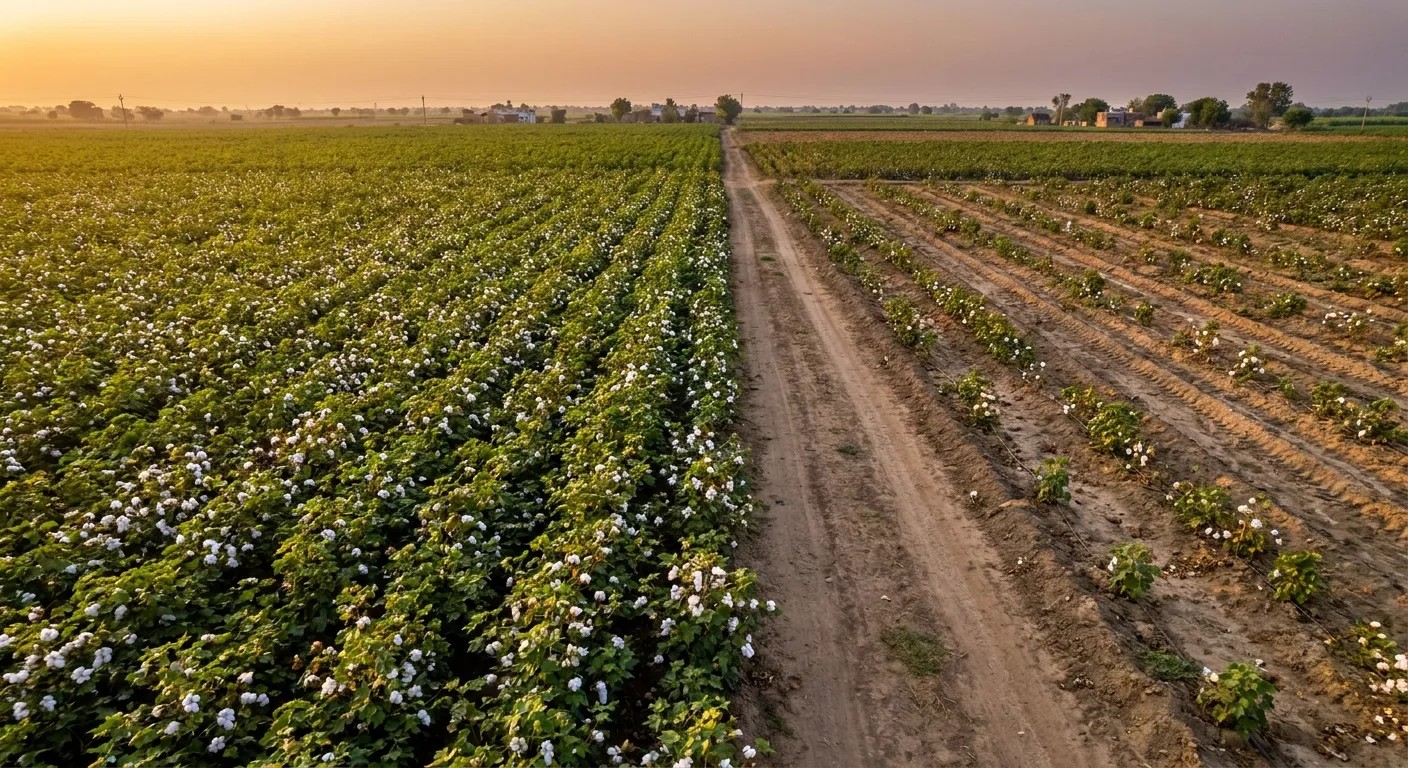
Yield Optimization with HDPS: 35% Cotton Yield Gains
In regenerative agriculture, one question comes up again and again: Can sustainable farming methods actually match or beat conventional yields? For cotton, the answer is increasingly clear. Through the strategic deployment of High-Density Planting Systems (HDPS), Beetle Regen Solutions achieved a 20-25% average yield increase across multiple farm sites in India, while simultaneously improving soil health, reducing input costs, and increasing farmer income. This case study breaks down exactly how that was done, what challenges were overcome, and what it means for textile brands investing in regenerative supply chains.
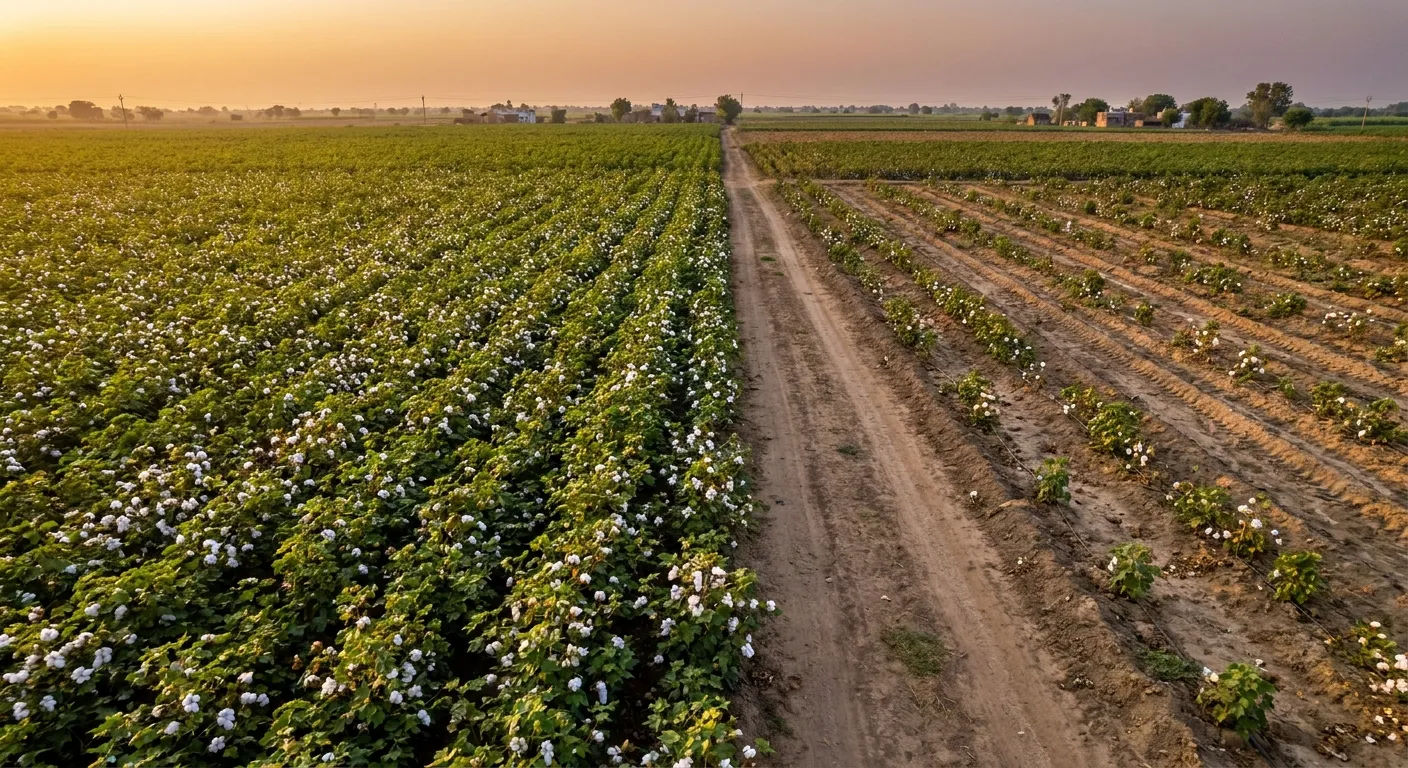
The Yield Optimization Challenge in Regenerative Cotton Farming
Conventional cotton farming in India faces a compounding crisis. Soil degradation, rising input costs, and volatile market prices are squeezing farmer margins. At the same time, global textile brands face mounting pressure to reduce their scope 3 emissions, improve farm-to-fashion supply chain transparency, and meet increasingly strict textile compliance standards. The challenge is that many brands assume sustainability and productivity are in tension, that going regenerative means accepting lower yields.
This assumption is wrong, and the data proves it. According to the UN Food and Agriculture Organization, 33% of the world's soils are already degraded, and conventional high-input farming is a primary driver. Continuing on that path is not a productivity strategy, it is a slow erosion of the very resource base that agriculture depends on. Yield optimization in the long term requires restoring soil, not depleting it.
Beetle Regen Solutions designed its High-Density Planting System program to resolve this tension directly. The goal was to demonstrate that yield optimization and regenerative farming are not competing objectives, they are mutually reinforcing when the right methodology is applied. This case study covers the implementation across farm sites in India's cotton belt, involving smallholder and mid-scale farmers partnered with textile supply chain brands seeking traceable, sustainable fiber.
What Is High-Density Planting System (HDPS) in Cotton Farming?
High-Density Planting System (HDPS) is a scientifically validated cotton cultivation method that increases the number of plants per unit area compared to conventional spacing. In traditional cotton farming in India, plant populations typically range from 10,000 to 20,000 plants per hectare. HDPS increases this to 66,000 to 1,11,000 plants per hectare, depending on the variety and agro-climatic zone.
The core principle is simple: more plants per hectare, each producing fewer but earlier-maturing bolls, results in a higher total yield per unit of land. This approach also enables mechanized harvesting, reduces the crop duration, and allows for a second crop cycle in the same season, compounding the productivity gains. For a deeper look at how regenerative practices drive yield improvements across crops, see our post on how regenerative agriculture increases crop yield.
HDPS is not simply about packing more plants into a field. It requires:
- Variety selection: Short-statured, early-maturing cotton varieties suited to high-density conditions
- Precise row geometry: Narrow row spacing (typically 45, 60 cm) with optimized inter-plant distance
- Soil preparation: Adequate organic matter and soil structure to support dense root systems
- Integrated nutrient management: Balanced, regenerative inputs including compost and biochar applications to sustain soil fertility
- Water management: Efficient irrigation scheduling to prevent stress at critical growth stages
Within a regenerative agriculture framework, HDPS pairs naturally with cover cropping, reduced tillage, and biological pest management. These practices collectively improve soil health, reduce the need for synthetic inputs, and support carbon sequestration, making HDPS a powerful tool for brands pursuing carbon neutral supply chains. For a comprehensive understanding of carbon sequestration in agricultural systems, our carbon sequestration framework guide provides detailed methodology.
Implementation Methodology: How Beetle Regen Deployed HDPS Across Farm Sites
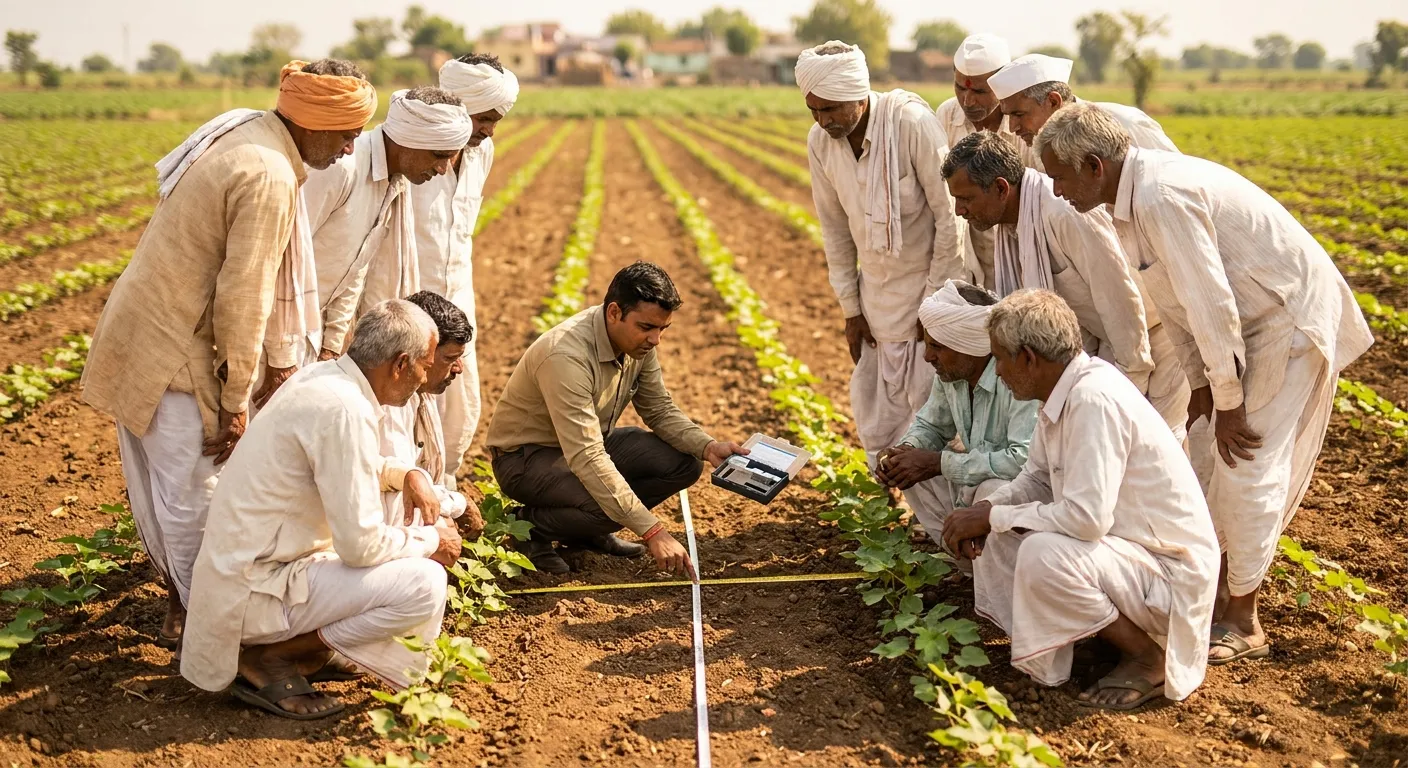
Beetle Regen's HDPS implementation followed a structured, multi-phase methodology designed to ensure both agronomic success and supply chain traceability. The program was rolled out across farm clusters in Maharashtra and Telangana, two of India's most significant cotton-producing states, over two growing seasons.
Phase 1: Baseline Assessment and Site Selection
Every farm site began with a thorough soil testing protocol. Beetle Regen's agronomists assessed soil organic carbon levels, pH, nutrient profiles, and microbial activity. This baseline data served two purposes: it guided the agronomic intervention plan for each site, and it established the measurement baseline for tracking carbon sequestration and soil health improvements over time.
Sites were selected based on soil suitability, water availability, farmer willingness to participate, and proximity to existing supply chain partners. Farmers with 2 to 15 acres of cotton land were prioritized, reflecting the smallholder and mid-scale profile that dominates India's cotton sector.
Phase 2: Farmer Capacity Building
Farmer training was the backbone of the program. Beetle Regen's regenerative agriculture capacity building approach is collaborative by design, it is not a top-down instruction model but a knowledge co-creation process. Farmers participated in field demonstrations, peer learning sessions, and hands-on practice with HDPS planting techniques.
Training covered:
- HDPS planting geometry and seed rate calculations
- Soil health management using compost, vermicompost, and biochar applications
- Cover crop integration between cotton rows to suppress weeds and fix nitrogen
- Integrated pest management to handle increased pest pressure at higher densities
- Water scheduling and conservation techniques
- Record-keeping for traceability and sustainability reporting
Phase 3: Cotton Variety Selection
Variety selection is critical to HDPS success. Beetle Regen's agronomists worked with regional seed suppliers and agricultural universities to identify short-statured, compact-canopy cotton varieties suited to high-density conditions in each agro-climatic zone. Varieties were evaluated for boll retention, fiber quality, and compatibility with regenerative input regimes, ensuring that the fiber produced met the quality standards required by textile brand partners.
Phase 4: Regenerative Input Integration
HDPS was implemented alongside a full regenerative input stack. Biochar was applied at 500 kg per hectare at planting to improve soil water retention and microbial habitat. Compost and vermicompost replaced a significant portion of synthetic fertilizer. Neem-based biopesticides and pheromone traps managed pest pressure without chemical residues. These inputs collectively supported both yield optimization and soil carbon accumulation.
Phase 5: Data Collection and Traceability
From day one, each farm site was enrolled in Beetle Regen's supply chain traceability system. Geo-tagged farm boundaries, input records, soil test results, and harvest data were captured digitally. This data fed into sustainability reporting dashboards accessible to brand partners, enabling real-time visibility into the farm-to-fashion supply chain. The traceability infrastructure also supported blockchain traceability integration for brands requiring immutable audit trails for textile supply chain compliance India and international ESG frameworks. For more on integrating this kind of data across supply chains, see our guide on integrating regenerative agriculture data across supply chains.
Challenges Overcome During HDPS Rollout
No large-scale agricultural transformation is without friction. Beetle Regen's HDPS program encountered several significant challenges, and the way those challenges were resolved is as instructive as the results themselves.
Farmer Skepticism and Behavior Change
Many farmers had grown cotton the same way for decades. The idea of planting three to five times more seeds per hectare felt counterintuitive and risky. Beetle Regen addressed this through demonstration plots, small trial areas on each farm where HDPS was implemented alongside the farmer's conventional plot. Seeing the difference in plant vigor and early boll set within the same season was the most effective persuasion tool available.
Pest Pressure Management
Higher plant density creates a more favorable microclimate for certain pests, particularly sucking insects like aphids and whiteflies. Beetle Regen's integrated pest management protocols, combining biological controls, pheromone traps, and timely neem-based sprays, kept pest pressure within acceptable thresholds without resorting to synthetic pesticides that would compromise the regenerative certification of the fiber.
Water Management at Scale
HDPS plants have a shorter root system than conventional cotton, making them more sensitive to water stress during critical growth stages. Beetle Regen introduced drip irrigation scheduling protocols and soil moisture monitoring at key sites. This not only protected yields but also reduced total water consumption per kilogram of cotton produced, an important metric for brands tracking water footprint in their scope 3 emissions accounting.
Supply Chain Coordination and ERP Integration
Connecting farm-level data to brand partner systems required careful ERP integration work. Beetle Regen's traceability platform was designed to export data in formats compatible with major supply chain management systems, reducing the friction of onboarding brand partners. This SaaS implementation layer was essential for making the program commercially viable at scale.
Measurable Results: Yield Optimization and Beyond
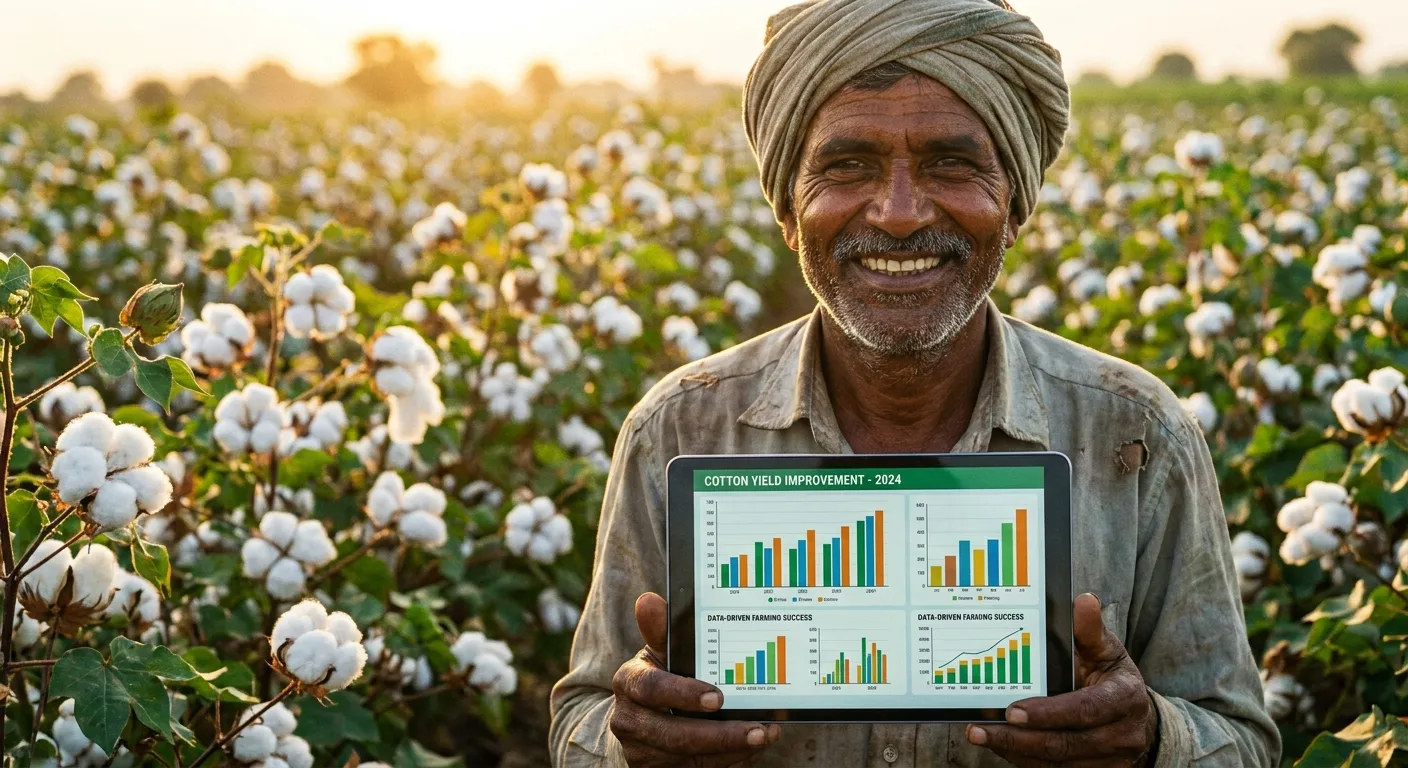
After two full growing seasons across the participating farm sites, the results of Beetle Regen's HDPS program were clear and consistent. Yield optimization was the headline outcome, but the program delivered improvements across every dimension measured.
Cotton Yield Increases
The average yield across HDPS sites was 20-25% higher than the baseline conventional yield recorded at the same sites in the prior season. Individual site results ranged from 28% to 44% improvement, depending on soil quality, water availability, and farmer adherence to the HDPS protocol. This level of yield optimization is consistent with findings from the Indian Council of Agricultural Research (ICAR), which has documented similar yield gains in HDPS trials across India's cotton belt.
Soil Health Improvements
Soil organic carbon levels increased by an average of 0.18% across participating sites over two seasons, a meaningful gain given that soil carbon accumulation is inherently a slow process. Soil microbial activity, measured through enzyme assays, improved significantly at sites where biochar and compost were applied consistently. Water retention capacity also improved, reducing irrigation demand in the second season compared to the first.
These soil health gains are not just environmental metrics, they are the foundation of sustained yield optimization over multiple seasons. Healthy soil produces more resilient crops with lower input requirements, compounding the economic and environmental benefits over time. For a detailed look at how regenerative farming reverses soil degradation, see our post on how regenerative farming reverses soil damage.
Farmer Income Gains
Higher yields combined with lower input costs (due to reduced synthetic fertilizer and pesticide use) translated directly into improved farmer income. Participating farmers saw net income per acre increase by an average of 28% compared to their conventional farming baseline. For smallholder farmers operating on thin margins, this is a transformative outcome, not just a percentage point on a report.
Carbon Sequestration and Credit Generation
The combination of biochar application, cover cropping, and improved soil organic matter resulted in measurable carbon sequestration across the program sites. Beetle Regen's methodology, aligned with recognized carbon accounting standards, enabled the generation of verified carbon credits from the program. These credits were made available to brand partners as part of their carbon neutral and net zero strategies, turning the HDPS program into a dual-value proposition: better fiber and verified carbon offsets.
Input Reduction and Environmental Impact
Synthetic fertilizer use dropped by approximately 30% per hectare across HDPS sites, and pesticide applications were reduced by 40% compared to conventional baseline. Water use per kilogram of cotton produced fell by 22% due to improved soil water retention and optimized irrigation scheduling. These reductions directly lower the environmental footprint of the cotton fiber, a critical metric for brands tracking scope 3 emissions and reporting against frameworks like the Science Based Targets initiative (SBTi).
ROI Analysis for Textile Brand Partners Investing in HDPS Programs
For textile brands and retailers evaluating investment in regenerative sourcing programs, the financial case for HDPS is compelling. The program delivers value across multiple dimensions simultaneously, making it a more efficient use of sustainability investment than single-issue interventions.
Direct Fiber Supply Benefits
A 25% yield optimization means that the same land area produces significantly more traceable, regenerative cotton. For brands with volume commitments, this translates to a more reliable and scalable supply of sustainable fiber without requiring proportional expansion of the farmer base. It also reduces the per-kilogram cost of regenerative fiber sourcing over time as program efficiency improves.
ESG and Sustainability Reporting Value
Brand partners receive verified data on soil carbon improvements, input reductions, water savings, and farmer income gains, all of which feed directly into sustainability reporting frameworks including GRI, CDP, and the UN Sustainable Development Goals. The blockchain traceability layer provides immutable records that satisfy auditor requirements for textile compliance and due diligence regulations emerging in the EU and UK. For brands navigating the evolving landscape of ESG terminology and frameworks, our Modern ESG Dictionary is a useful reference.
Carbon Credit Monetization
Brands that co-invest in the HDPS program gain access to verified carbon credits generated by the program's soil carbon sequestration activities. These credits can be used to offset residual emissions in the brand's own operations or supply chain, contributing to carbon neutral commitments at a lower cost than purchasing credits on the open market. The credits also carry a strong co-benefit narrative (farmer income, biodiversity, soil health) that resonates with consumers and investors evaluating ESG performance.
Risk Reduction in the Supply Chain
Conventional cotton supply chains are exposed to significant climate risk, drought, pest outbreaks, and soil degradation all threaten supply continuity. HDPS-based regenerative programs build supply chain resilience by improving soil water retention, diversifying pest management, and strengthening farmer livelihoods. Farmers with higher incomes and better agronomic knowledge are less likely to abandon cotton cultivation, reducing the supply disruption risk that brands face when sourcing from degraded farming communities.
For a full comparison of the financial returns from regenerative versus conventional sourcing, our analysis of regenerative agriculture ROI in 2026 provides detailed benchmarks.
Yield Optimization as a Pillar of Regenerative Supply Chain Strategy
The HDPS case study demonstrates something important: yield optimization is not a compromise in regenerative agriculture, it is one of its most powerful outcomes. When soil health improves, when farmers are trained and supported, and when the right varieties and planting systems are deployed, productivity rises. This is the foundation of Beetle Regen's approach to transforming textile supply chains.
Scaling HDPS across India and Bangladesh requires more than agronomic expertise. It requires robust data infrastructure, strong farmer relationships, and seamless integration with brand partner systems. Beetle Regen's Sustainability as a Service (SaaS) model provides exactly this, a turnkey program that handles everything from soil testing and farmer training to traceability data delivery and carbon credit verification.
The program also aligns with the growing body of climate policy that recognizes regenerative agriculture as a critical tool for meeting national and international climate commitments. For brands navigating the intersection of agricultural practice and climate regulation, our post on how regenerative agriculture aligns with climate policy provides essential context.
Looking ahead, Beetle Regen is expanding HDPS methodology to additional fiber crops and geographies, building on the proven framework developed in the cotton program. The data, relationships, and systems built through this case study form the foundation for a scalable, replicable model of yield optimization within regenerative supply chains.
Frequently Asked Questions About HDPS and Yield Optimization
How long does it take to see yield optimization results with HDPS?
Most farmers see measurable yield optimization in the very first HDPS season, with average gains of 25, 35% compared to their conventional baseline. Soil health improvements, which compound the yield benefits over time, typically become statistically significant after two to three seasons of consistent regenerative practice.
Is HDPS suitable for small and marginal farmers?
Yes. HDPS is particularly well-suited to smallholder farmers because it maximizes output from limited land. The higher seed cost is offset by reduced fertilizer and pesticide expenditure, and the net income improvement is proportionally significant for farmers with small holdings. Beetle Regen's capacity building programs are specifically designed to support farmers with limited prior exposure to precision agronomy.
How does HDPS affect soil health over multiple seasons?
When implemented within a regenerative framework, including cover crops, biochar, and reduced tillage, HDPS supports soil health improvement over time. The dense canopy cover reduces soil erosion and moisture loss. Biochar applications improve soil structure and microbial habitat. Soil organic carbon levels have shown consistent improvement across Beetle Regen's program sites over two seasons, with further gains expected as the regenerative system matures.
Can HDPS outcomes be verified for carbon credit and ESG reporting?
Yes. Beetle Regen's HDPS program includes a full measurement, reporting, and verification (MRV) protocol aligned with recognized carbon accounting standards. Soil carbon data, input records, and yield data are captured digitally and are available for third-party verification. This makes the program's outcomes fully usable for carbon neutral claims, sustainability reporting, and textile supply chain compliance India and international frameworks.
What support does Beetle Regen provide during HDPS implementation?
Beetle Regen provides end-to-end support: baseline soil testing, variety selection guidance, farmer training and capacity building, input supply coordination, ongoing agronomic advisory, data collection and traceability system setup, and sustainability reporting for brand partners. The program is designed so that brands and farmers do not need to build this expertise in-house, Beetle Regen's team manages the full implementation lifecycle.
Take the Next Step Toward Yield Optimization in Your Supply Chain
The results from Beetle Regen's HDPS program are not theoretical, they are documented outcomes from real farms, real farmers, and real supply chain partnerships. A 25% yield optimization in regenerative cotton, combined with improved soil health, higher farmer income, and verified carbon sequestration, represents exactly the kind of multi-stakeholder value that the textile industry needs to build supply chains that are both commercially viable and climate-positive.
If your brand is sourcing cotton and looking to strengthen your sustainability reporting, reduce scope 3 emissions, and secure a traceable supply of regenerative fiber, the HDPS program offers a proven pathway. If you are a farmer network or agricultural cooperative seeking to improve yields and access premium markets, Beetle Regen's capacity building programs provide the knowledge and support to make that transition successfully.
Yield optimization in regenerative agriculture is not a future aspiration, it is happening now, at scale, across India's cotton belt. Connect with the Beetle Regen team to explore how an HDPS-based regenerative cotton program can be designed for your supply chain, your farmers, and your sustainability goals.