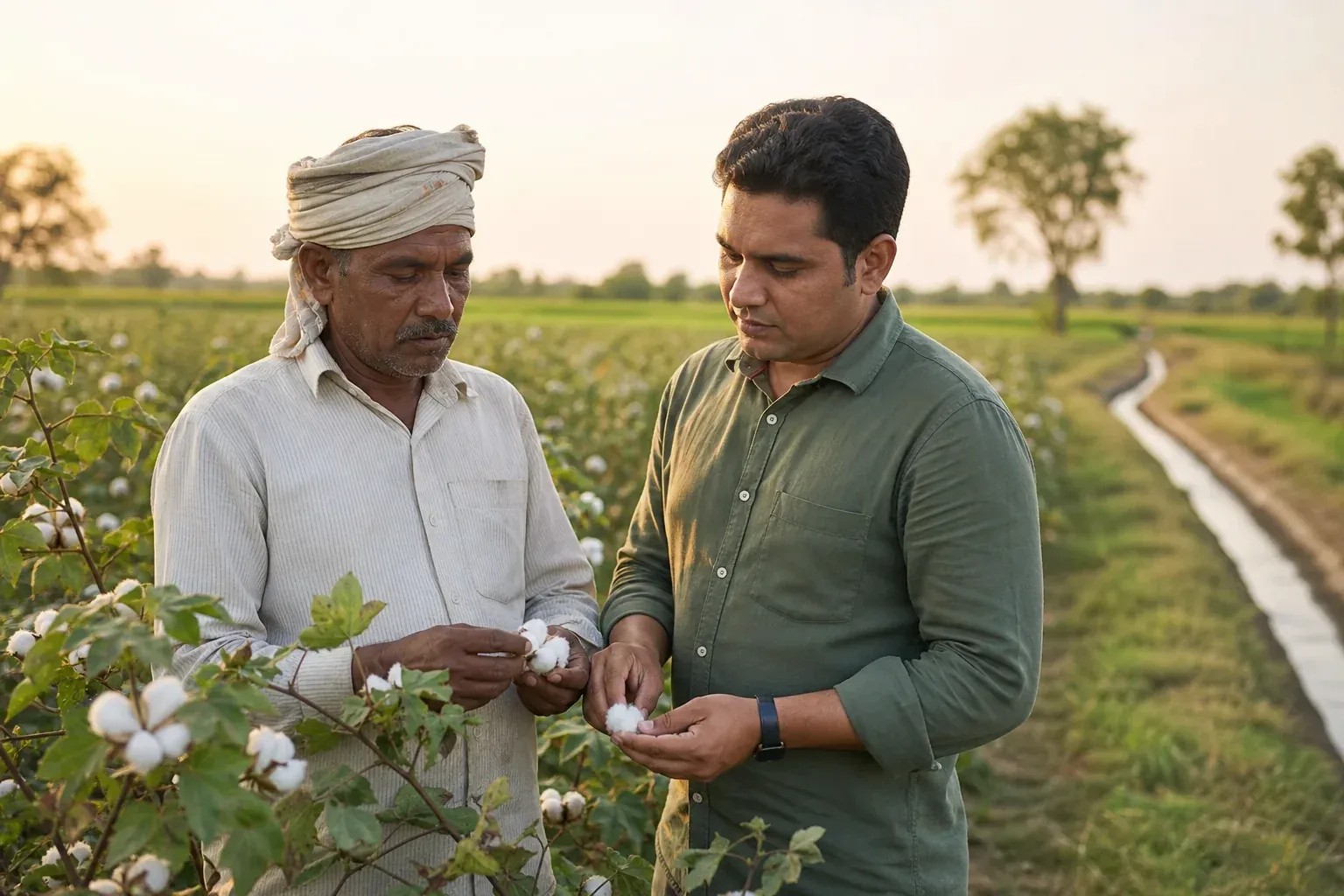
How to Implement Regenerative Cotton in Existing Supply Chains
You implement regenerative cotton in an existing supply chain by mapping your current cotton flow first, then running a single-mill pilot with named farmer and plot data before you scale. Brands that skip the mapping step and jump straight to volume commitments usually stall within a season because ginners and spinners can't segregate regenerative lots from conventional stock. A structured, phased rollout protects supply security while building the traceability that regenerative cotton supply chains depend on.
Key Takeaways
- Start with mapping, not sourcing: Document every node from farm to fabric before adding regenerative volume, or you'll lose visibility the moment cotton mixes at the gin.
- Pilot with one mill first: A single-mill, single-region pilot in India or Bangladesh cuts risk and gives you real segregation and yield data within one or two seasons.
- Farmer-level IDs come before dashboards: A brand ESG dashboard is only as good as the farmer ID and plot ID feeding it. Build that layer first.
- Standards like regengri give you an audit-ready pathway: Rather than a generic label, a farm-level verification standard ties claims to named plots and dated measurements.
- Blend gradually: Move from 100% conventional to a phased blend ratio over multiple seasons instead of a full switch, to protect cost and volume commitments.
At a Glance: Implementation Snapshot
| Stage | Typical Duration | Who Owns It | Key Output |
|---|---|---|---|
| Supply chain mapping | 4-6 weeks | Brand sourcing team + supplier | Full ginner/spinner/mill map with gaps flagged |
| Single-mill pilot setup | 1 season (4-5 months) | Brand + regenerative program partner | Segregated lot, baseline farmer data |
| Farmer onboarding & training | Ongoing, 1-2 seasons | Program partner + cooperative | Farmer IDs, plot IDs, soil baselines |
| Standard alignment (e.g. regengri) | 3-4 months | Brand compliance + auditor | Verified chain of custody |
| Blend ratio integration | 2-3 seasons | Sourcing + spinner | Phased regenerative volume in existing contracts |
| KPI reporting | Quarterly, ongoing | Sustainability team | Yield, soil carbon, farmer income data |
| Regional scale-up | Year 2 onward | Brand + cooperative network | Multi-mill, multi-region sourcing |
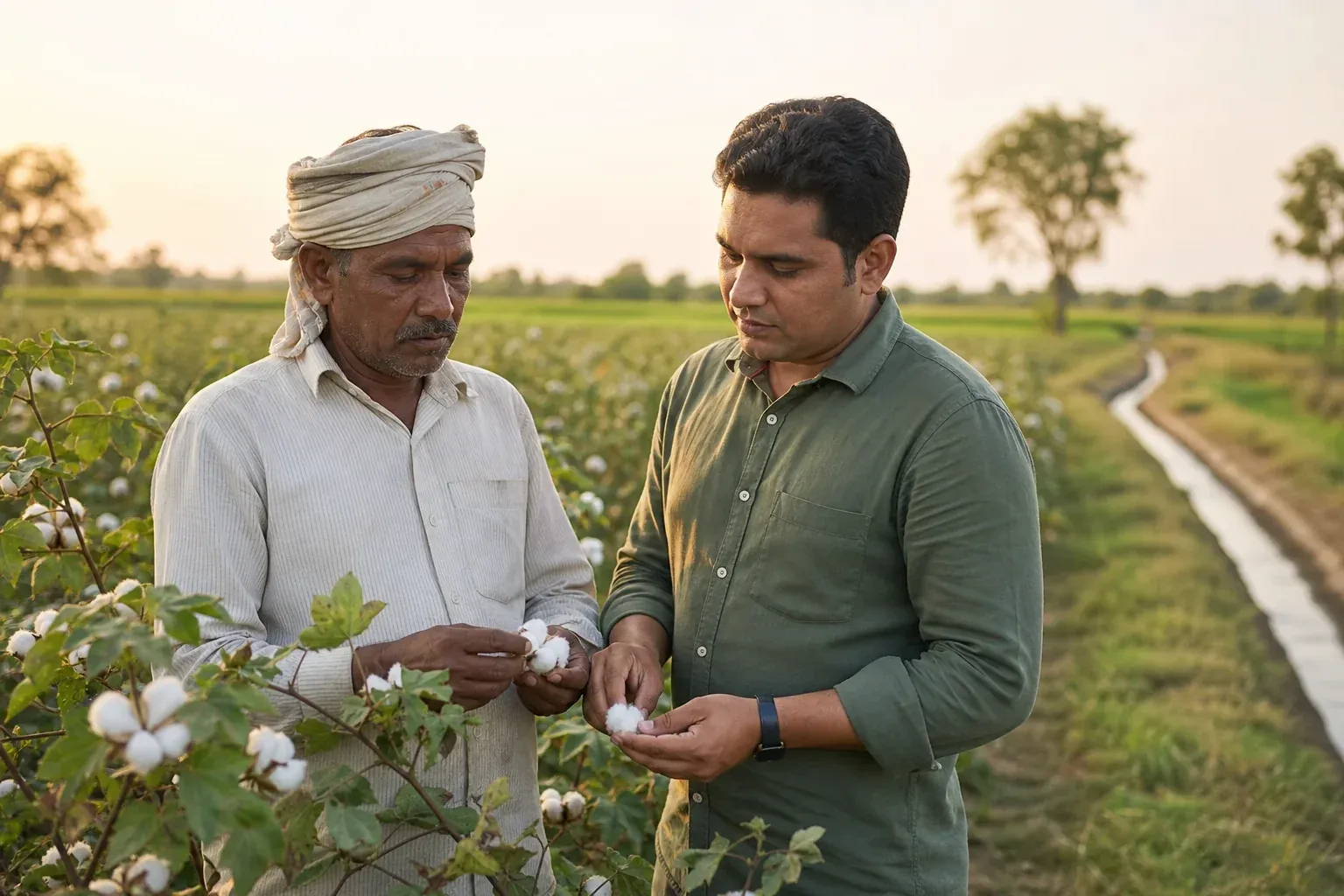
1. Map Your Existing Cotton Flow Before You Change Anything
Most cotton supply chains you inherit today were built for one goal: efficiency. Ginners blend lots from dozens of farms. Spinners buy on price and staple length, not origin. That efficiency is exactly what breaks traceability once you try to layer regenerative sourcing on top.
Start by drawing the actual map: which ginners handle your cotton, which spinners take it next, and where mixing happens. You'll usually find the break point at the gin, where regenerative and conventional lots merge unless you physically segregate them.
Don't rip out supplier relationships that already work. Map first, then decide which nodes need new segregation protocols and which can stay as they are. This is the same groundwork we cover in why traceability in cotton matters for brand compliance, and it applies just as much to sourcing teams building from scratch as to those retrofitting an existing chain.
2. Pick One Region and One Mill for a Controlled Pilot
Running a pilot in Madhya Pradesh or Maharashtra with a single cooperating mill gives you a contained test bed. You get real segregation data, real yield numbers, and a working relationship with one spinner before you try to convince five.
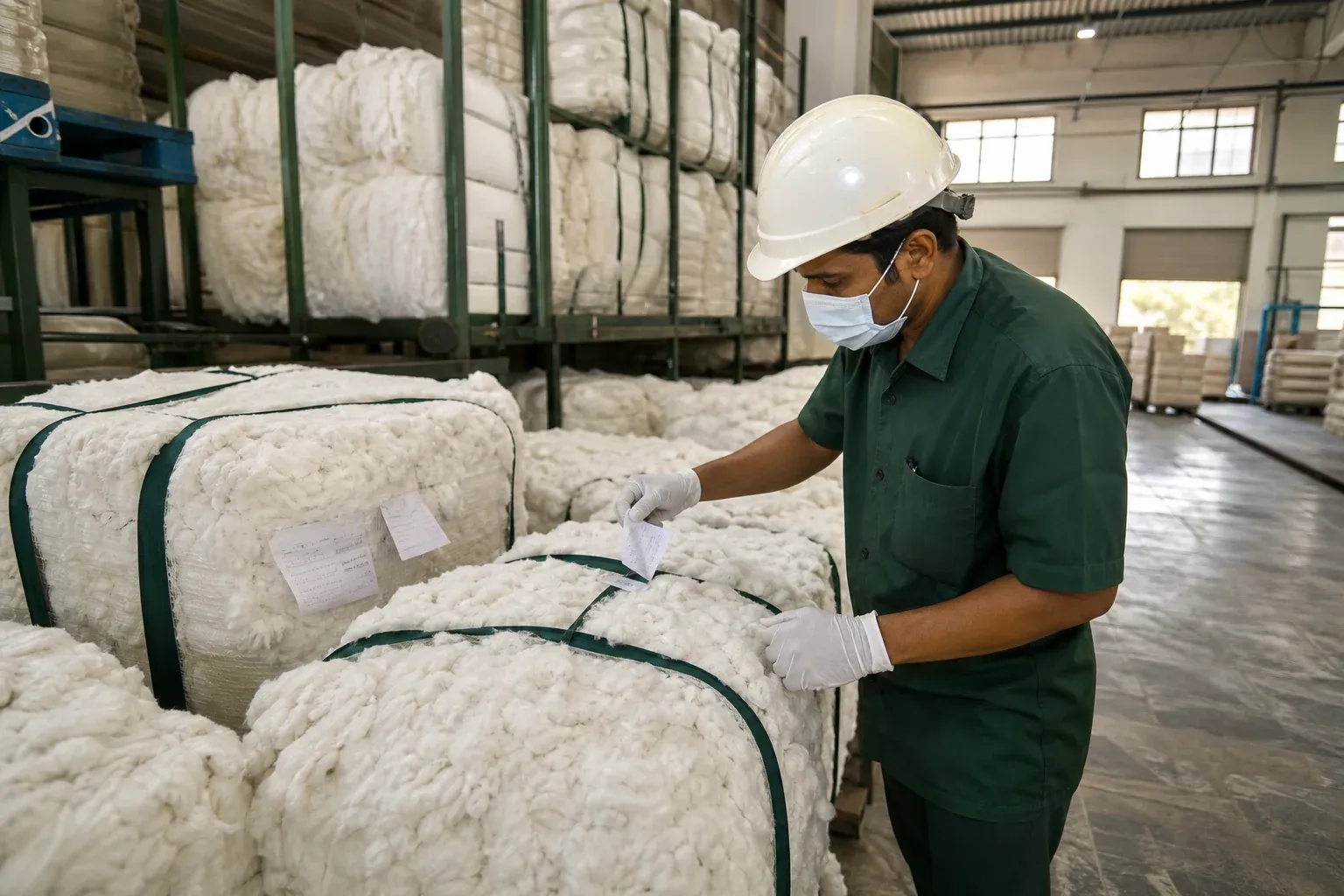
Bangladesh spinning mills work the same way for brands sourcing from that corridor. Keep the pilot narrow on purpose. A single mill, one growing season, and a fixed volume commitment let you fix problems (labeling errors, weighbridge discrepancies, late farmer payments) before they multiply across a regional program. Our Cotton Special Project was built around exactly this kind of contained, farm-to-mill pilot structure.
3. Build Farmer-Level Data Before You Build Brand Dashboards
A brand dashboard showing "regenerative cotton" percentages is meaningless if it isn't traceable to a named farmer and a dated soil test. Set up farmer IDs and plot IDs first. Every subsequent claim, from carbon insetting to yield improvement, hangs off this layer.
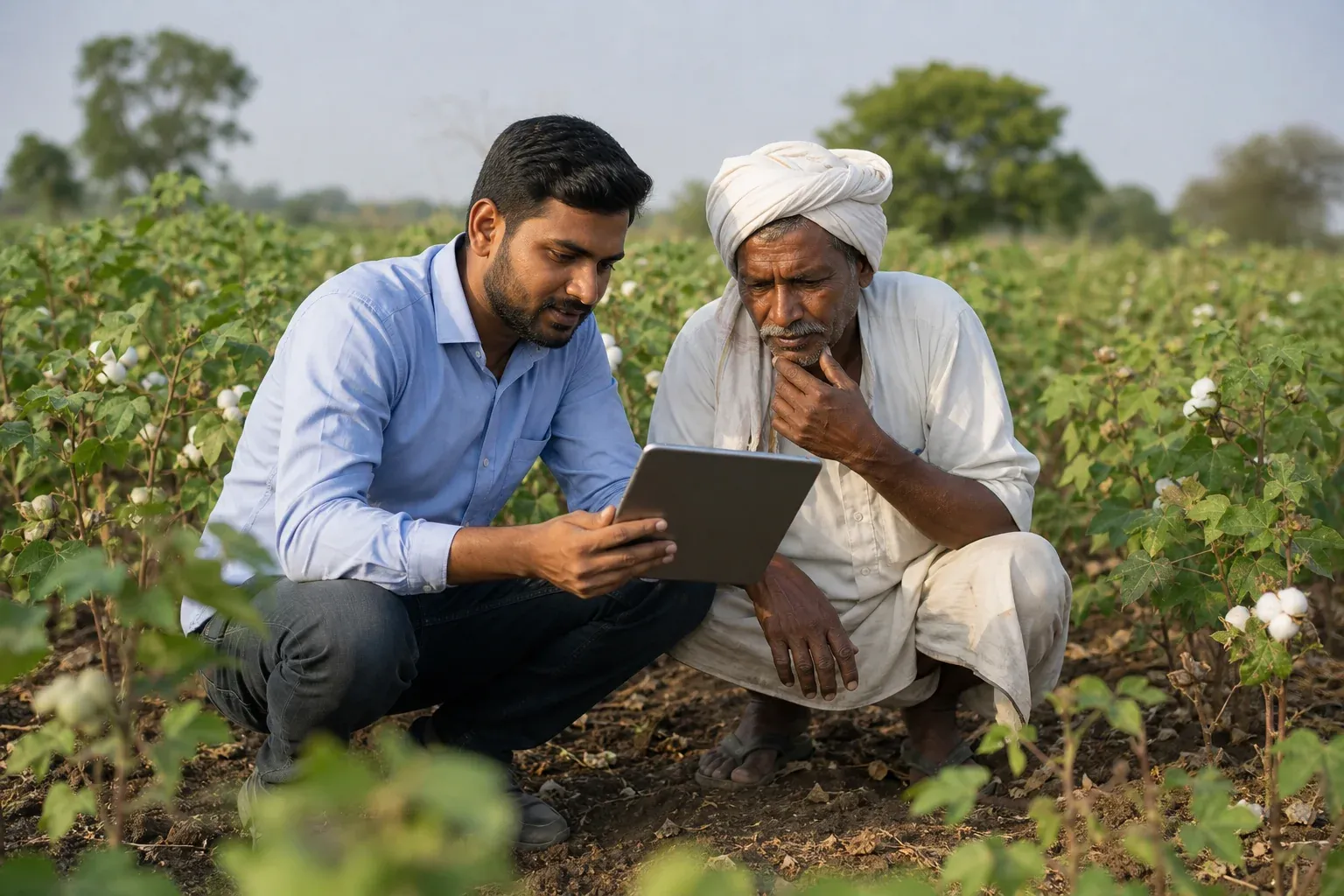
This means capacity building on the ground: training farmers on cover cropping, reduced tillage, and biochar application, then recording a soil organic carbon baseline before any regenerative practice starts. Skipping the baseline is the single most common mistake we see; without it, you can't prove improvement later. We detail the mechanics of this in how to increase soil carbon and fertility.
4. Choose a Standard That Gives You a Practical Pathway, Not Just a Label
Generic sustainability labels tell a shopper cotton was grown under certain input rules. They rarely tell a brand's compliance team which farm, which season, or how much carbon was sequestered. A standard such as regengri is built around farm-level verification: named plots, dated measurements, and an audit trail a third party can check.
That distinction matters more as regulatory pressure grows. Under frameworks like the EU's Corporate Sustainability Reporting Directive, generic offset claims carry less weight than farm-grounded, verifiable insetting data. A standard that requires plot-level records from day one gives you that evidence without a retrofit later. Read more on this in what is regenerative cotton.
Which Cotton Traceability System Gives Farm-to-Garment Visibility?
A traceability system gives you full farm-to-garment visibility only when it ties every bale to a named farmer ID, a dated plot record, and a documented chain of custody through the gin, spinner, and mill. Systems that only track aggregate volumes, without individual farm records, can't support a verified regenerative claim.
Look for a partner that runs measurement, reporting, and verification (MRV) alongside the physical segregation, not as a separate add-on. Without both pieces working together, you end up with paperwork that doesn't match what actually moved through the gin.
5. Integrate Regenerative Volumes Into Existing Contracts Gradually
Don't ask a spinner to switch 100% of intake overnight. Set a blend ratio, say 10-20% regenerative fiber in year one, and grow it as supply and segregation capacity mature. This protects your cost structure and gives spinners time to adjust their sorting lines.
Yarn spinners handling blended lots need clear specifications on staple length matching and lot separation. Get this wrong and regenerative fiber gets diluted into conventional bales, which defeats the traceability work you just built.
6. Set KPIs and a Reporting Cadence Before You Scale
Define what you're measuring before your first board update, not after. Yield per acre, soil organic carbon change, farmer income shift, and emissions avoided through practices like reduced tillage or biochar application are the four metrics brand sustainability teams ask for most.

Set a quarterly reporting cadence tied to your farm data collection cycle, not your fiscal calendar. Cotton doesn't grow on a quarterly schedule, and forcing farm data into an arbitrary reporting window creates gaps. For a full breakdown of what to track, see what KPIs should you track in a regenerative cotton program.
What Challenges Should Brands Expect When Implementing Regenerative Cotton?
Expect four recurring challenges: higher upfront verification cost, farmer buy-in that takes more than one season to build, mill-level segregation errors, and pressure to show results before soil carbon has had time to shift. Budget for at least two growing seasons before you report meaningful soil or yield gains.
Farmer trust builds slowly. A cooperative that burned crop residue for decades won't switch practices because a brand asked once. It takes repeated, hands-on training and a visible income benefit, usually tied to carbon credit access or yield gains, before adoption sticks across a farmer network.
Is Regenerative Cotton Farming Different From Organic or BCI Cotton?
Yes. Organic certification restricts synthetic inputs, and Better Cotton Initiative (BCI) focuses on volume-based sourcing with baseline environmental and labor standards. Regenerative cotton goes further by requiring active soil health improvement, measured through indicators like soil organic carbon, and typically ties that improvement to farm-level traceability rather than aggregate sourcing claims.
A cotton farm can be both organic and regenerative, but the two labels answer different questions. Organic tells you what wasn't used. Regenerative tells you what changed in the soil, and by how much.
7. Scale From One Mill to a Regional Program
Once your pilot mill has a full season of clean, segregated data, use that same playbook to onboard a second mill and a second cooperative. Scaling works best when you replicate the exact protocol, farmer ID structure, plot records, blend ratios, rather than reinventing it for each new partner.
At this stage, carbon insetting becomes a real additional value stream. Biochar application and reduced tillage generate measurable carbon sequestration that can support your net zero targets alongside the fiber sourcing itself. Our guide on how to create a net zero cotton supply chain walks through that layer in more detail.
Farmers across India and Bangladesh, and the cooperatives that represent them, respond best when the program brings consistent training, not a one-off pilot that disappears after year one. That consistency is what separates a brand's regenerative cotton claim from a marketing exercise. According to the UN Food and Agriculture Organization, roughly a third of the world's soils are already degraded, which is part of why farm-level regeneration, not just input substitution, has become the harder but more durable path for cotton sourcing (FAO Global Soil Partnership).
A regenerative cotton program only earns its name when a brand can trace a bale back to a specific farmer, a specific plot, and a measured change in that soil. Everything else is a sourcing preference, not a verified claim.
Global reporting frameworks are moving the same direction. The Textile Exchange's own sourcing guidance increasingly points brands toward farm-level data over aggregate claims, a shift documented in its annual Materials Market Report.
If your brand is ready to move past pilot conversations and into a structured rollout, our team works directly with cotton farmers, ginners, and mills across India and Bangladesh to build the farmer IDs, segregation protocols, and MRV systems this kind of program needs. Learn more about how we structure these partnerships on Our Mission page, or contact us to talk through what a single-mill pilot could look like for your supply chain this season.