Is Your ELS Cotton Tshirt Actually Regenerative? Buyer's Guide
A procurement manager at a mid-size apparel brand recently ran a simple experiment. She bought two white crew-neck t-shirts online: one for $10, one for $100. Both labels said "100% cotton." Both looked identical folded in plastic packaging. She wanted to know what, exactly, she was paying ninety extra dollars for. The answer, once you trace it back far enough, almost always leads to the same place: the fiber itself, and increasingly, whether that fiber came from a farm that is rebuilding soil or one that is depleting it.
That question matters more in 2026 than it did five years ago. Brands are under pressure from EU CSRD disclosure rules, retailer scorecards, and their own customers to prove sustainability claims rather than just print them on a swing tag. An els cotton tshirt marketed as premium and regenerative carries real commercial weight, but only if the claim behind it can survive an audit. This guide walks textile brands and retailers through exactly how to verify that an ELS cotton garment is genuinely regenerative and traceable, not simply well-marketed.
What Actually Separates a $10 Tshirt From a $100 Tshirt
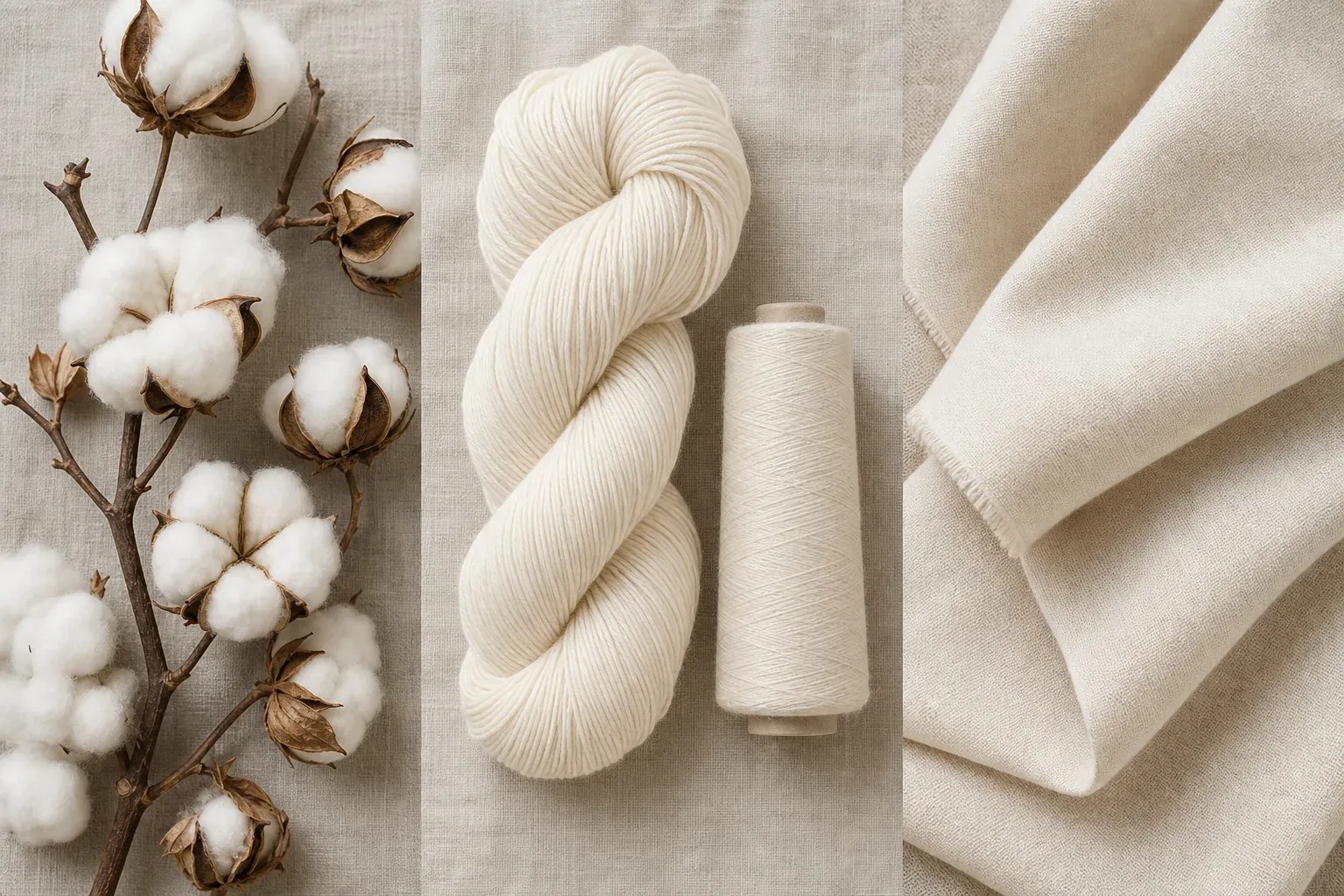
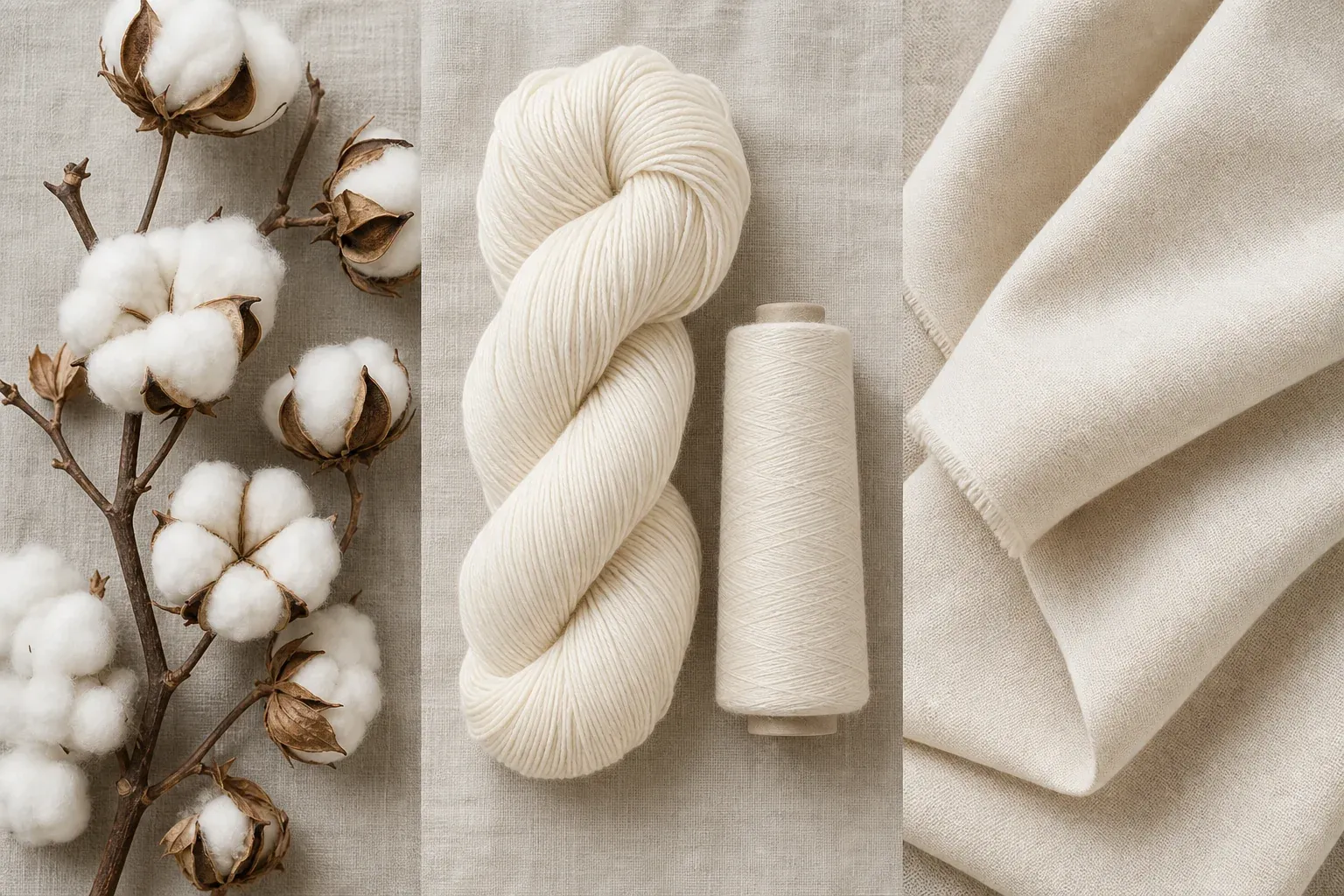
The price gap between a discount t-shirt and a premium one is not just brand logo and marketing spend, though that plays a role. A large share of the difference sits in the fiber itself. Extra-long-staple (ELS) cotton fibers typically measure 1 3/8 inches or longer, roughly double the length of standard upland cotton fibers used in most fast-fashion basics. Longer fibers spin into finer, stronger yarn with fewer loose ends poking out of the fabric surface. That is why a premium tee feels smoother, resists pilling longer, and holds its shape wash after wash.
Fiber length is only part of the story. Micronaire (fiber fineness), strength, and uniformity all factor into what mills will pay for raw cotton, and what a garment eventually costs on a retail shelf. Our detailed breakdown in ELS Cotton: The Complete Guide to Extra Long Staple Fiber covers these technical specifications if you want the full agronomic picture.
Here is the part many buyers miss: fiber quality and regenerative farming practice are not automatically linked. A farm can grow excellent ELS cotton using heavy synthetic inputs and depleting irrigation, exactly the practices that a regenerative claim is supposed to counter. So when a brand pays a premium for an "ELS cotton tshirt" marketed as sustainable, the fiber grade justifies part of the price. The regenerative and traceability claims need their own separate proof. That is where most greenwashing risk hides.
1. Ask for the Farm-Level Origin, Not Just the Country of Origin
"Made with Indian cotton" or "sourced from Gujarat" tells you almost nothing. India has millions of cotton farms across dramatically different agronomic conditions, water access, and input regimes. A genuine regenerative claim needs to point to specific farms, specific seasons, and specific practice records, not a state name on a hangtag.
When you evaluate a supplier for an ELS cotton tshirt program, ask for:
- GPS-tagged farm plot data showing exactly which fields the fiber came from
- Farmer identity records, even if anonymized for privacy, confirming a real, auditable grower network exists
- Season-by-season practice logs, not a single baseline snapshot taken once and reused in every pitch deck
- Aggregation and pooling records if cotton from multiple smallholder farms is blended before ginning
If a supplier cannot produce farm-level records within a reasonable timeframe, treat that as a signal to slow down, not a paperwork delay to wave through. Our Supply Chain Traceability for Regenerative Cotton: A Brand Guide walks through what a complete traceability file should contain, from seed purchase records to bale identification numbers.
2. Request the Regenerative Practice Documentation, Not Just a Certificate Logo
Certification logos are useful shorthand, but they are not proof of practice on their own. Organic certification, for instance, confirms the absence of prohibited synthetic inputs. It does not confirm that a farm is actively rebuilding soil carbon, reducing tillage, or planting cover crops. Regenerative agriculture and organic certification measure different things, and brands sometimes conflate the two when reviewing supplier claims.
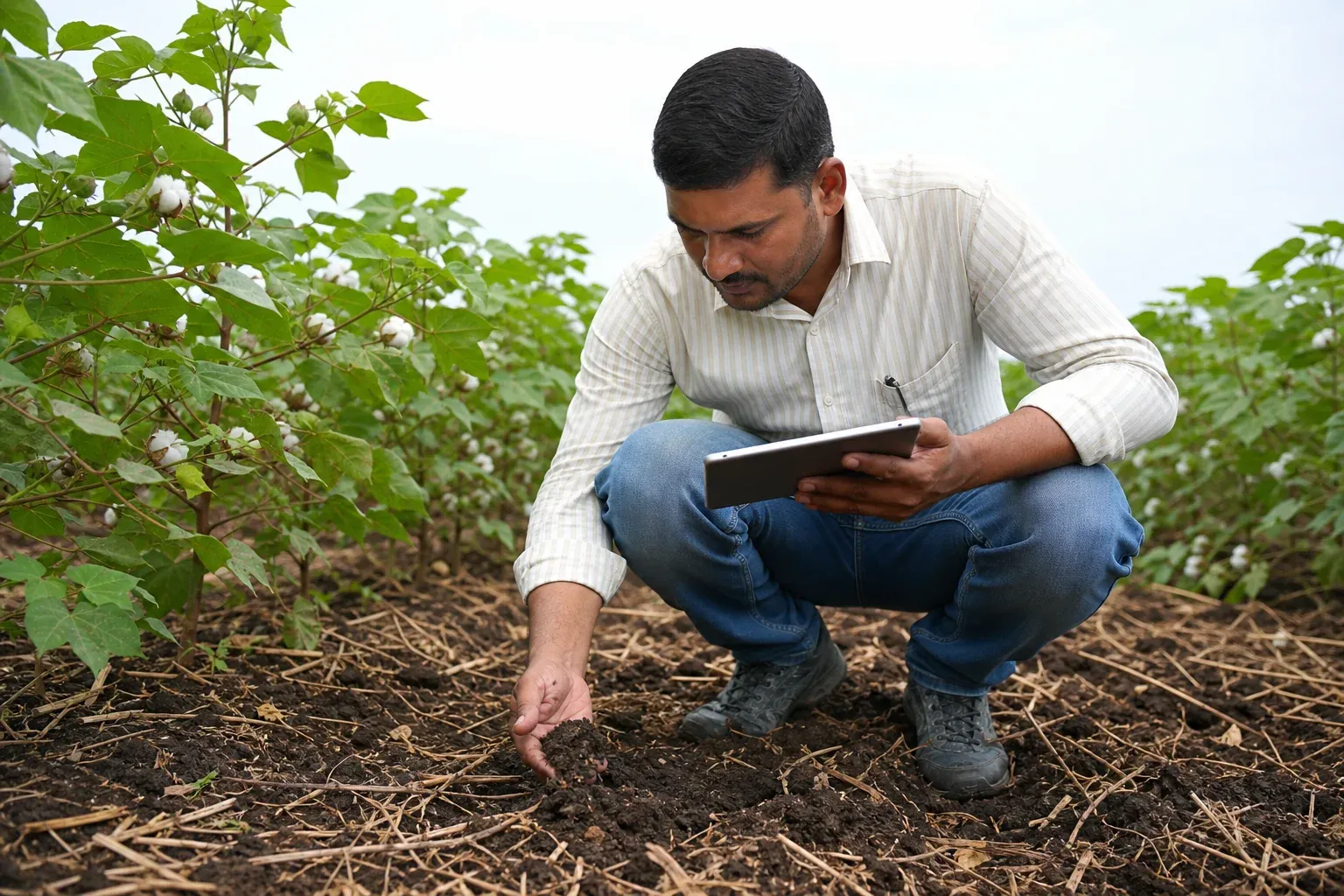
Ask your supplier to show you the actual practice change, not just the label. That means requesting:
- Cover cropping schedules and species used between cotton cycles
- Tillage records showing reduced or no-till adoption over time
- Input logs tracking reduction in synthetic fertilizer and pesticide use year over year
- Soil test results, ideally from an independent lab, showing organic carbon, microbial activity, or water-holding capacity trends across multiple seasons
A single soil test taken once is a baseline, not evidence of regeneration. Regeneration is a trend over three to five growing seasons. If a supplier only has one data point, that program is too young to make a "regenerative" claim with confidence, even if the intent is genuine. For a deeper look at how brands should evaluate this evidence, our post on Regenerative vs Conventional Cotton: What Brands Pay For breaks down what buyers are actually funding when they pay a premium.
Why Organic and Regenerative Are Not Interchangeable
This distinction trips up a lot of procurement teams. A cotton field can be certified organic and still farmed with intensive tillage that erodes topsoil. Conversely, a transitioning farm might use reduced synthetic inputs and strong regenerative practices without yet qualifying for organic certification, which usually requires a multi-year conversion period. If your els cotton tshirt line depends on a regenerative story, verify the practice independently of whichever certification logo appears on the paperwork.
3. Verify the MRV System Behind the Carbon and Soil Claims
Monitoring, Reporting, and Verification (MRV) is the machinery that turns a farmer's field activity into a number a brand can put in a sustainability report. Without a working MRV system, any carbon sequestration or soil health claim tied to your ELS cotton is essentially unverifiable marketing copy.
A credible MRV setup should include:
- Baseline measurement taken before regenerative practices began, not estimated retroactively
- Ongoing monitoring through soil sampling, satellite imagery, or farmer-reported data collected on a set schedule
- Independent verification by a third party not financially tied to the outcome of the report
- Documented methodology referencing recognized protocols rather than an internal, undisclosed formula
Ask your supplier directly: who verifies this data, and can we see the verification report? If the answer is "we verify it ourselves internally," that is a gap worth flagging before you build a marketing claim on top of it. Our detailed resource, MRV and Traceability Systems for Cotton: A Complete Guide, covers the technical layers of a working system in more depth.
4. Trace the Fiber Through Ginning, Spinning, and Cutting
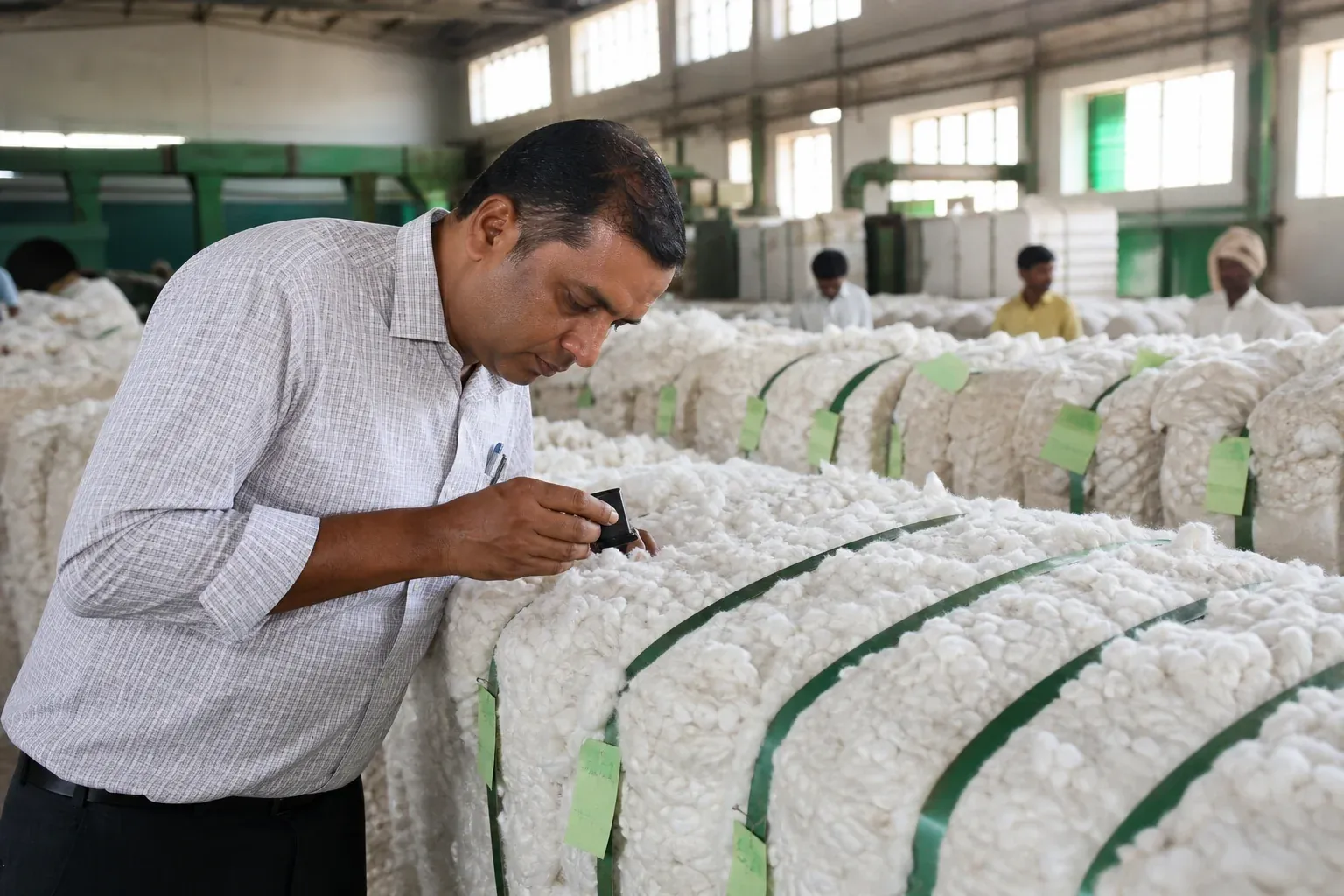
Farm-level traceability is only half the chain. Cotton fiber typically passes through a ginner, then a spinner, then a fabric mill, then a cut-and-sew unit before it becomes a finished t-shirt. Chain of custody breaks most often at the ginning and spinning stages, where fiber from different farms and different practice standards can get physically mixed in the same batch.
There are three common chain-of-custody models worth understanding before you sign a supplier agreement:
- Identity preserved: Regenerative cotton stays physically separated from conventional cotton at every processing stage. This offers the strongest traceability but usually costs more.
- Segregated: Regenerative cotton is kept separate from conventional cotton but may be blended with cotton from other regenerative farms.
- Mass balance: Regenerative and conventional cotton are physically mixed, but the volumes are tracked on paper so the total regenerative claim matches actual regenerative input. This is the weakest model for a brand wanting to make specific product-level claims.
If your marketing team plans to put a specific regenerative or ELS claim on a garment hangtag, ask which chain-of-custody model applies. A mass balance system might be acceptable for a broader brand-level sustainability commitment, but it should not support a claim printed on an individual product.
5. Ask How Farmer Income and Livelihood Impact Is Measured
A regenerative claim that only talks about soil and carbon, and never mentions the farmer, is missing half the story. Genuine regenerative cotton programs are built on the idea that healthier soil and better yields should translate into better farmer income, not just better ESG numbers for the brand.
Ask suppliers to show:
- Whether farmers receive a price premium for regenerative cotton compared to conventional market rates
- Whether carbon credit or carbon insetting revenue is shared back with the farmers who generated the underlying soil carbon gains
- Yield data over multiple seasons, since regenerative transitions can temporarily reduce yield before soil health rebuilds
- Evidence of ongoing farmer training, not a one-time workshop several years ago
This is a meaningful differentiator worth investigating closely, since it separates programs designed around genuine rural development from those built mainly for a marketing narrative. Our post on How Regenerative Agriculture Increases Crop Yield explains the multi-season yield curve that any credible supplier should be able to walk you through.
6. Watch for These Red Flags That Signal Greenwashed ELS Claims
After reviewing supplier decks and audit files, certain patterns repeat themselves whenever a claim does not hold up under scrutiny. Keep this list handy during supplier evaluation calls.
- Vague language without specifics: Phrases like "sustainably sourced" or "eco-friendly cotton" with no farm data, no practice list, and no measurement behind them
- No farm-level data on request: If a supplier hesitates or stalls when you ask for GPS coordinates or farmer records
- Certification without practice evidence: A logo on the deck, but no soil test results, tillage records, or input logs to back it up
- Single-year snapshots: Regeneration claims based on one season of data with no baseline comparison
- No visible carbon methodology: Carbon sequestration numbers quoted without a stated protocol, verifier, or calculation method
- Blended fiber with a specific product claim: A mass-balance sourcing model paired with a hangtag that implies every fiber in that specific garment is regenerative
- No farmer economics data: Extensive soil and carbon storytelling with zero mention of farmer income, premiums, or training outcomes
For a deeper audit framework built specifically around these patterns, see Supply Chain Traceability for Regenerative Cotton: A Brand Guide and our related piece on regenerative agriculture fundamentals in Sustainable Farming: A Complete Guide to Regenerative Agriculture.
7. Build a Supplier Verification Checklist Before You Sign
Before committing to an ELS cotton supplier for a regenerative product line, walk through this checklist internally, and be prepared to ask every item as a direct question on your next supplier call.
- Can you provide GPS-tagged farm origin data for this specific cotton lot?
- What chain-of-custody model applies: identity preserved, segregated, or mass balance?
- Who conducted the baseline soil test, and how many seasons of follow-up data exist?
- What regenerative practices are documented, and can we see the farmer-level logs?
- Who verifies your MRV data, and can we review the verification report?
- How is farmer income affected by this program, and is there a documented price premium?
- Can we schedule a site visit or request third-party audit access?
- Does your traceability system cover ginning and spinning, or only the farm stage?
A supplier confident in their regenerative program will answer these questions without friction. One that cannot is telling you something important, even if they never say it directly. It is also worth requesting a site visit where feasible. Seeing cover crops between cotton rows and talking to field coordinators in person tends to reveal more than any pitch deck.
How Beetle Regen Verifies ELS Cotton From Farm to Fashion
Beetle Regen Solutions builds regenerative cotton programs designed to survive exactly this kind of scrutiny. Working directly with smallholder farmers across India, the team implements farm-level GPS tagging, season-over-season soil monitoring, and documented practice change, covering cover cropping, reduced tillage, and input reduction, long before any carbon or regenerative claim reaches a brand's sustainability report.
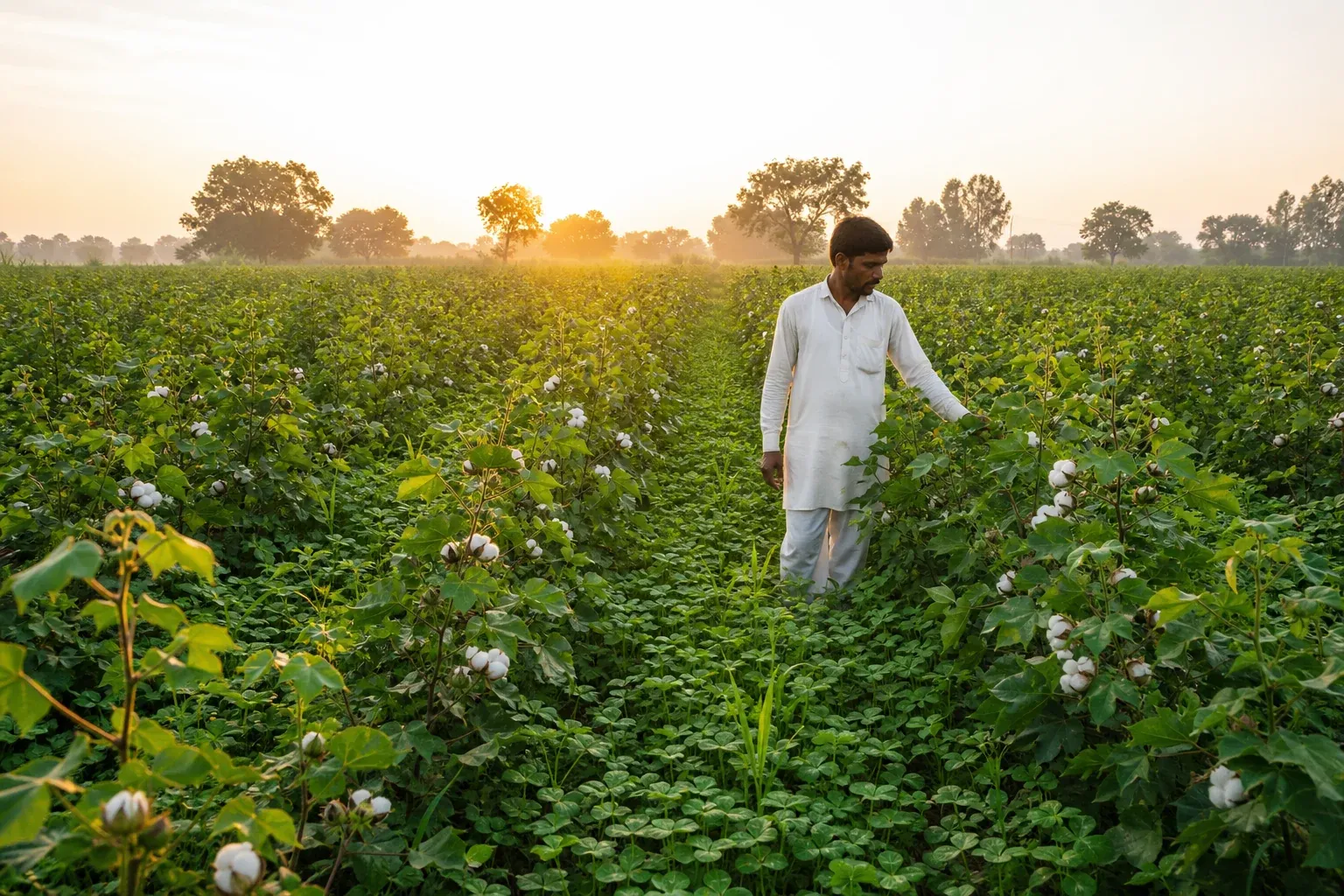
On the carbon side, Beetle Regen's biochar-based carbon insetting programs give brands a documented, farm-linked carbon story rather than a generic offset purchased from an unrelated project. Farmer income and training data are tracked alongside soil and carbon metrics, because a regenerative claim without farmer benefit is an incomplete one. Brands working through EU CSRD compliance, Scope 3 reporting, or retailer scorecards can plug this traceability data directly into existing reporting frameworks through Beetle Regen's Sustainability as a Service model, which covers carbon footprinting, traceability implementation, and compliance tracking as an ongoing partnership rather than a one-time audit.
For brands specifically weighing sourcing options across the two largest regenerative cotton hubs Beetle Regen serves, our guide to Regenerative Cotton Sourcing in India and Bangladesh compares regional program maturity, farmer network size, and documentation standards in more detail.
Frequently Asked Questions
What makes an ELS cotton tshirt different from a regular cotton tshirt?
ELS cotton fiber measures 1 3/8 inches or longer, roughly twice the length of standard upland cotton. Longer fiber spins into finer, stronger yarn that produces a smoother fabric surface, better durability, and less pilling. That fiber quality is one reason ELS cotton garments command a higher retail price, separate from any sustainability claim attached to the product.
Is all ELS cotton automatically regenerative?
No. Fiber grade and farming practice are two separate things. A farm can produce excellent ELS-grade cotton using conventional, input-heavy methods. A regenerative claim requires its own independent verification, including farm-level practice records, multi-season soil data, and a working MRV system, regardless of fiber quality.
How much price premium is reasonable for verified regenerative ELS cotton?
Premiums vary by region, farmer network maturity, and chain-of-custody model, so there is no single fixed number. Rather than anchoring to a specific percentage, brands should ask suppliers to break down exactly what the premium funds: farmer price support, soil monitoring, MRV verification, and traceability infrastructure. A supplier who cannot itemize where the premium goes is a signal to ask more questions.
What documents should a brand keep on file for compliance audits?
At minimum, keep farm-level origin records, baseline and follow-up soil test results, chain-of-custody documentation through ginning and spinning, MRV verification reports, and farmer income or premium payment records. These documents matter increasingly for EU CSRD disclosure requirements and for retailer-level Scope 3 supply chain audits.
Who typically breaks the traceability chain in a cotton supply chain?
Most breaks happen at the ginning and spinning stages, where fiber from multiple farms and practice standards can get physically blended. Ask suppliers directly which chain-of-custody model, identity preserved, segregated, or mass balance, applies to your specific order before assuming farm-level traceability extends through the entire garment.
Sourcing an ELS cotton tshirt line that can genuinely back up a regenerative claim takes more than a supplier's word and a certificate logo. It takes farm-level data, a working MRV system, visible chain-of-custody controls, and proof that farmers are benefiting alongside the soil. Brands that build this verification into their sourcing process now will be far better positioned as EU CSRD reporting deadlines tighten and retailer scorecards demand more than a sustainability narrative. If you are evaluating an ELS cotton supplier for your next collection and want a second set of eyes on the traceability documentation, contact Beetle Regen's team to walk through your supplier's data with a program built specifically to survive that kind of scrutiny.