Regenerative Agriculture Carbon Credits vs Generic Offsets: Brand Guide
Regenerative agriculture carbon credits differ from generic offsets in one decisive way: you can trace every tonne back to a named farm, a specific practice change, and a verified soil or biochar measurement. Generic offsets, by contrast, often come from anonymous forestry or renewable energy pools with no link to your supply chain. For brands facing EU CSRD disclosure rules, that traceability gap is becoming a compliance risk, not just a marketing preference.
Key Takeaways
- Traceability decides credibility: Regenerative agriculture carbon credits link to a named farm and practice change; generic offsets rarely disclose origin beyond a project type.
- CSRD favors value-chain data: EU CSRD and Scope 3 reporting rules push brands toward insetting because auditors expect farm-level evidence, not anonymous certificates.
- MRV data is the differentiator: Credits backed by soil sampling, biochar batch records, and third-party verification hold up under audit; those without it don't.
- Farmer income is a credibility signal: Programs that pay farmers directly for practice change tend to have stronger, better-documented data than pooled offset funds.
- Price reflects rigor: Regenerative and biochar-based insetting credits often cost more per tonne than generic offsets, but the price difference buys defensible disclosure.
At a Glance: Regenerative Credits vs Generic Offsets
| Factor | Regenerative Agriculture Carbon Credits | Generic Carbon Offsets |
|---|---|---|
| Origin traceability | Linked to named farm/region | Often anonymous project pool |
| Typical MRV method | Soil sampling, biochar batch logs, satellite checks | Modeled estimates, rarely farm-level |
| Verification standard | Verra, Gold Standard, or soil carbon protocols with farm audits | Varies; some unregulated registries |
| CSRD/Scope 3 fit | Strong; supports value-chain disclosure | Weak; flagged as generic claim |
| Farmer income link | Direct payment tied to practice change | Rarely disclosed |
| Reversal risk | Lower with biochar (100+ year stability) | Higher with forestry (fire, logging) |
| Typical price signal | Higher, reflects data and audit cost | Lower, reflects lighter verification |
What Makes a Carbon Credit "Regenerative"
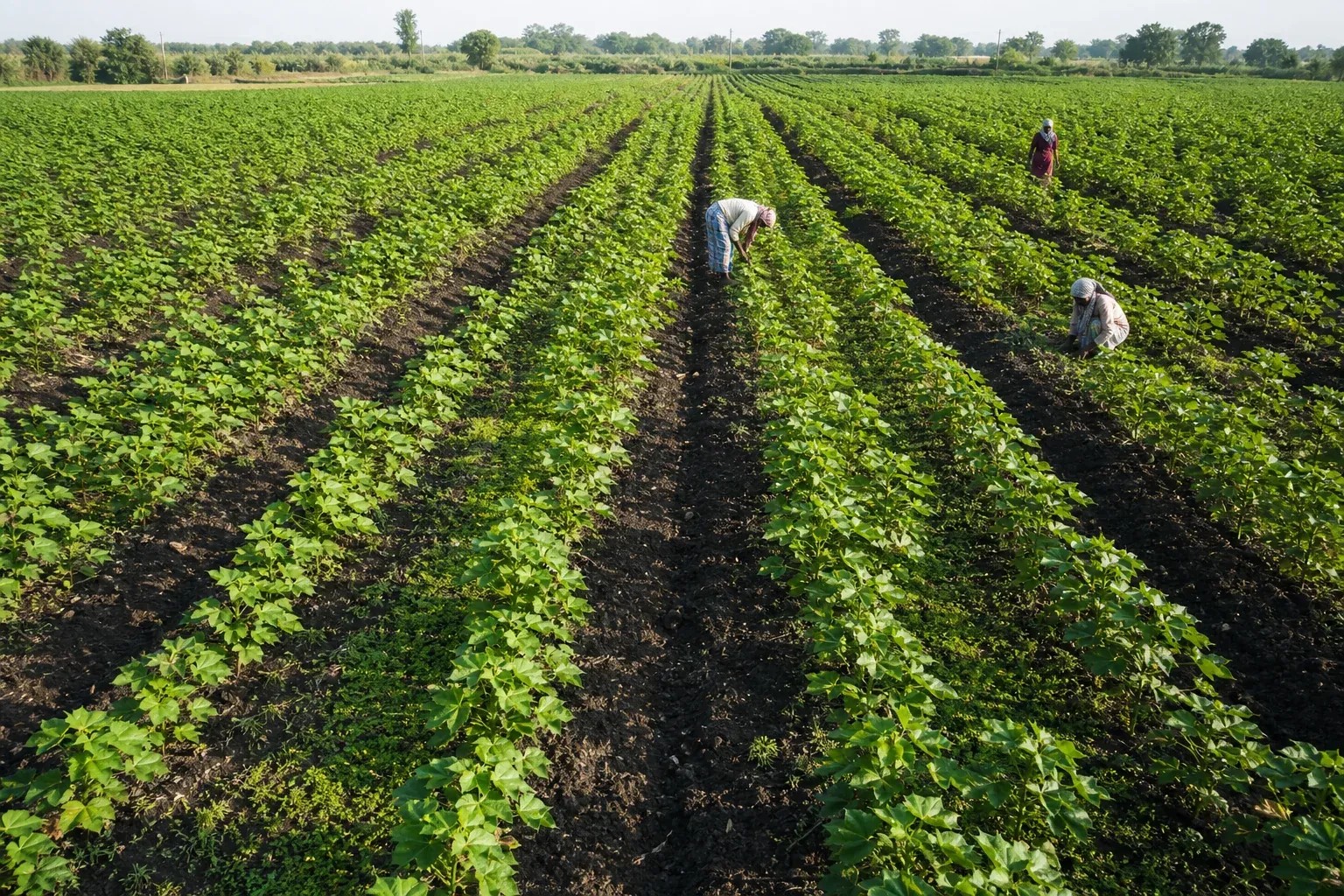
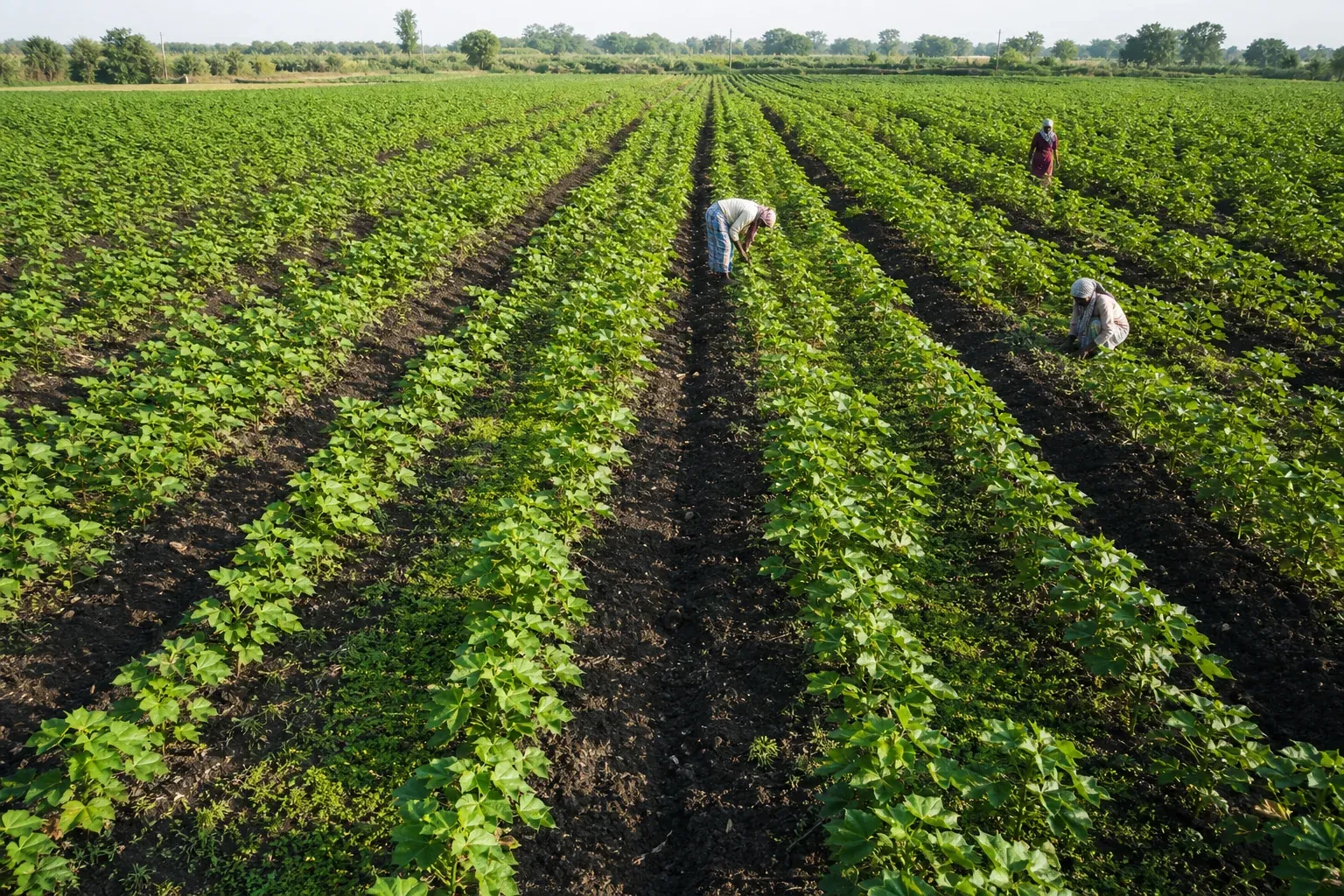
A regenerative agriculture carbon credit ties directly to a practice change on a specific farm. That could be biochar application, reduced tillage, cover cropping, or a shift to regenerative cotton farming that raises soil organic carbon over multiple seasons. You can point to the field, the farmer, and the measurement.
Biochar-based insetting sits at the strong end of this category. You convert crop residue, cotton stalks or rice husks, into a stable carbon form through pyrolysis, then bury it in soil. That carbon stays locked for centuries rather than years. Beetle Regen documents exactly how this works in how biochar carbon insetting works for textile brands, and the mechanism matters here because permanence is one of the biggest weaknesses buyers find in generic offsets.
Generic offsets, on the other hand, usually come from a pool. A renewable energy project in one country, a forestry project in another, bundled and sold as a single certificate. You get a tonne count and a certification stamp, but you rarely get a farm name, a practice description, or ongoing measurement data tied to your specific purchase.

Regenerative Agriculture Carbon Credits vs Generic Offsets: The Core Differences
Five factors separate these two categories in practice.
1. Data Origin
Regenerative credits originate from farm-level records: soil test dates, biochar batch weights, GPS-tagged plots. Generic offsets often rely on regional modeling rather than direct measurement at the source.
2. Verification Depth
Strong regenerative programs use recognized protocols with independent field audits. Weak generic offset registries sometimes allow self-reported estimates to pass with minimal scrutiny, which is exactly the exposure CSRD auditors flag.
3. Farmer Economics
A credible regenerative program pays farmers for the practice change that generates the credit. If you cannot see how much of the credit price reaches the farmer, treat that as a red flag rather than a detail to skip.
4. Permanence
Biochar carbon resists breakdown for centuries. Soil organic carbon gains from regenerative practices last as long as the practice continues. Forestry-based generic offsets face reversal risk from fire, disease, or land-use change, which is why many registries now discount forestry credit volumes.
5. Reporting Fit
Regenerative agriculture carbon credits map naturally onto Scope 3 emissions categories because they sit inside your own agricultural supply chain. You can read more on that connection in carbon insetting vs offsetting: true cost for textile brands.
A credit without a farm name attached is a claim you cannot defend under audit. A credit with soil data, batch records, and a named cooperative is a claim you can.
Why EU CSRD Pressure Is Pushing Brands Toward Insetting
The EU Corporate Sustainability Reporting Directive requires many brands to disclose Scope 3 emissions with evidence, not estimates. Generic offsets purchased outside your value chain don't satisfy that expectation well, because auditors increasingly ask where the reduction actually happened and whether it touches your own sourcing footprint.
Regenerative agriculture carbon credits generated inside your cotton, rice, or fiber supply chain answer that question directly. The reduction happens on a farm that grows your raw material. You can walk an auditor from the garment back to the field. That value-chain link is what CSRD guidance calls for, and it's why brands like the ones sourcing from India and Bangladesh are shifting budget from offset purchases to insetting programs. Beetle Regen's guide on building a net zero cotton supply chain walks through how this sequencing works in practice.
According to the European Commission's corporate sustainability reporting guidance, disclosures must reflect actual value-chain data where available, which puts anonymous offset certificates at a structural disadvantage compared to farm-linked credits.

How MRV Data Makes Regenerative Credits Defensible
MRV stands for measurement, reporting, and verification. It's the backbone that turns a claim into evidence. Without it, a carbon credit is just a number on a certificate. With it, you get a chain of custody from field to ledger.
Measurement usually combines soil sampling for organic carbon change, biochar batch weighing at production sites, and sometimes satellite or drone imagery to confirm land use. Reporting means those measurements get logged in a system that timestamps and geotags each entry, rather than sitting in a spreadsheet someone fills in once a year. Verification means an independent third party checks the data against a recognized standard before any credit gets issued.
Brands that want to see this end to end should look at how carbon platforms connect to farm data systems. Beetle Regen's technical breakdown of API integration for carbon credit platforms shows how farm-level records flow into the registries brands ultimately report against. The same traceability logic underpins why traceability in cotton matters for brand compliance, since carbon data and fiber traceability often run through the same farm records.
The Verra Verified Carbon Standard is one widely used framework for this kind of audit trail, and buyers should ask any supplier which standard, if any, backs their MRV claims.
How to Evaluate a Regenerative Carbon Credit Supplier Before You Buy
Run through this checklist before you sign a purchase agreement:
- Ask for farm-level traceability: Request the region, cooperative name, and practice type behind the credit volume you're buying.
- Confirm the verification standard: Find out whether an independent body audits the data, and how often.
- Check farmer payment transparency: Ask what share of the credit price reaches farmers and how that's tracked.
- Review permanence claims: Biochar and soil carbon programs should state expected durability in years or centuries, with supporting rationale.
- Request sample MRV records: A credible supplier can show you a soil test result or biochar batch log, not just a summary PDF.
- Look for data access, not just a certificate: Ongoing dashboards or reports beat a one-time PDF you file away.
Beetle Regen's own farmer programs, including how one cotton farmer doubled his soil organic carbon in two seasons, show what this kind of documentation looks like when it's done at the field level rather than modeled from a distance. If you want to see the KPI structure programs should report against, what KPIs to track in a regenerative cotton program lays out the specific metrics buyers should ask suppliers to report.

Common Questions Brands Ask About Regenerative Agriculture Carbon Credits
How does carbon accounting for fashion brands change with insetting?
Carbon accounting for fashion brands shifts from broad category estimates to farm-linked data points once you move to insetting. Instead of applying an industry average emissions factor to raw cotton, you plug in actual soil carbon change or biochar sequestration figures from your own supplier farms. That precision matters for CSRD and for internal target-setting alike.
Can conventional and regenerative agriculture bridge in the same supply chain?
Yes. Most brands don't convert 100% of sourcing overnight. Bridging conventional and regenerative agriculture usually means blending regenerative-sourced fiber with conventional volumes at a defined ratio while the farmer base scales up, then increasing that ratio each season as more farms complete training and verification.
Do regenerative farming practices affect wheat and other non-cotton yields too?
Regenerative farming wheat yield data from multiple studies shows soil health gains, better water retention, and reduced input costs translating into yield stability, particularly in dry seasons. The same underlying practices, reduced tillage, cover cropping, biochar, apply across crops, which is one reason regenerative programs extend beyond cotton into paddy and other grain systems.
Are regenerative agriculture carbon credits more expensive than generic offsets?
Often yes, per tonne. The higher cost reflects the field measurement, verification audits, and farmer payments baked into the credit. Brands buying purely on lowest price per tonne tend to end up with offsets that don't survive scrutiny when a regulator or NGO asks for underlying evidence.
What happens if a brand keeps buying generic offsets after CSRD applies?
The disclosure may get flagged as insufficiently grounded in the value chain, which creates reputational and compliance exposure. Several brands have already faced criticism for offset-heavy net zero claims that lacked farm-level backing, a pattern covered in beyond carbon credits: what buyers really want from climate projects in 2026.
If your sustainability team is comparing suppliers right now, the difference between a defensible regenerative agriculture carbon credit and a generic offset usually shows up in the paperwork before it shows up in a field visit. Ask for the farm names, the MRV method, and the farmer payment structure first. Beetle Regen works directly with cotton farmers across India and Bangladesh to generate exactly that kind of traceable data, from biochar batch records to soil sampling results, so your Scope 3 disclosures hold up under audit. Contact us to review your current carbon sourcing mix and see where insetting can replace generic offsets in your supply chain.