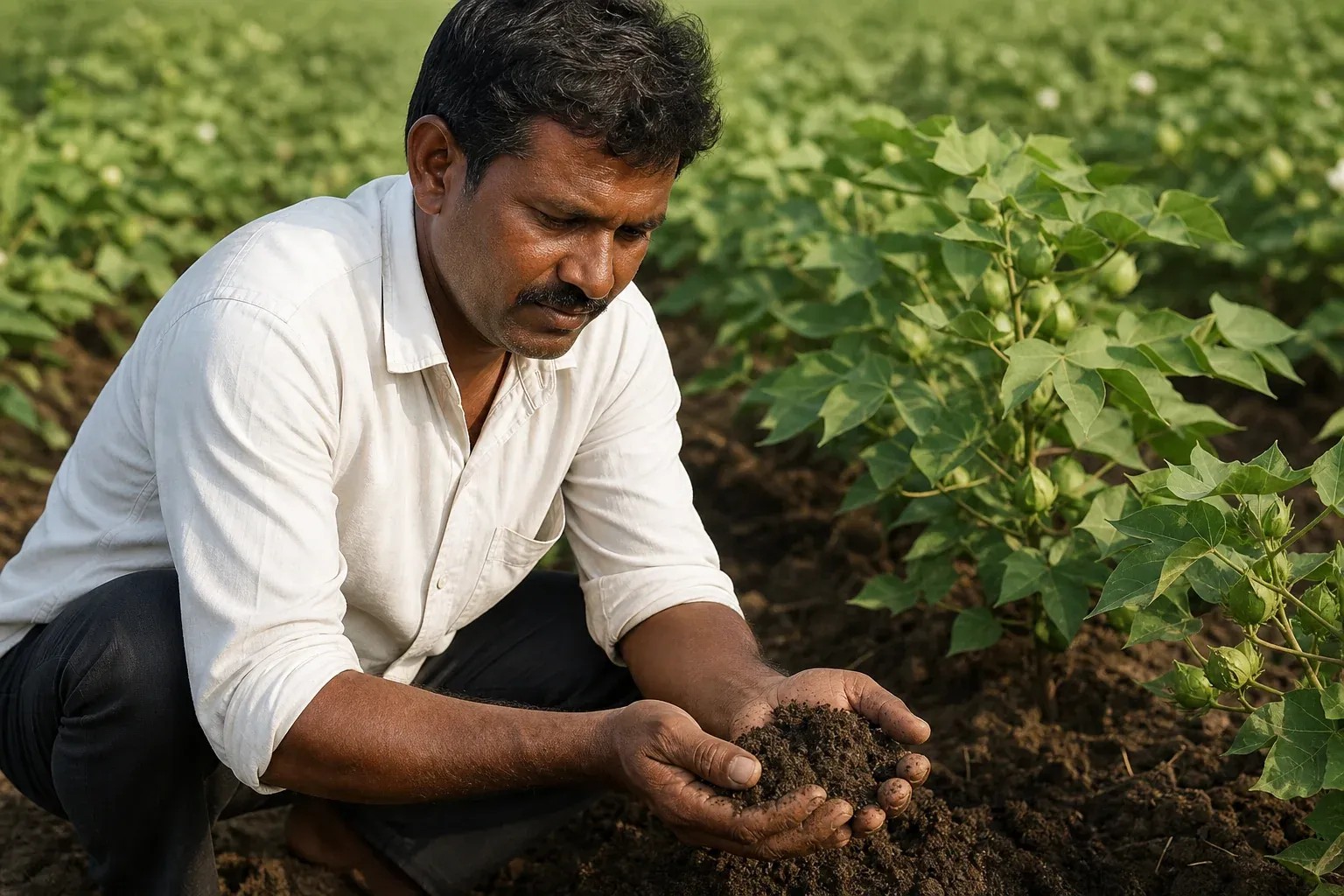
Regenerative vs Climate-Smart Agriculture: Key Differences
Regenerative agriculture and climate-smart agriculture both try to make farming more resilient to climate change. But they are not the same thing. Regenerative agriculture is an outcome-based practice. It rebuilds soil health, biodiversity, and farmer income first. Carbon is measured as a result, not a goal. Climate-smart agriculture is a policy framework. It links three goals: productivity, adaptation, and cutting emissions. For textile brands sourcing cotton in India and Bangladesh, this difference matters a lot. It decides whether your Scope 3 data (the emissions from your supply chain) will hold up under audit.
Key Takeaways
- Different starting points: Regenerative agriculture starts with soil biology and builds up from there. Climate-smart agriculture starts with a national target and works down to farms.
- Measurability gap: Regenerative practices like biochar (charcoal added to soil to lock in carbon) and soil carbon tracking give farm-level, auditable data. Climate-smart programs often report only at regional or national scale.
- Supply chain fit: Brands that need verified Scope 3 data for CSRD (EU sustainability reporting rules) or net zero claims get more value from regenerative, farm-linked tracking than from broad policy metrics.
- Not mutually exclusive: Climate-smart agriculture can set the policy direction. Regenerative programs can then deliver the on-the-ground work and traceability brands need.
- Origin matters: Regenerative agriculture goes back to Robert Rodale's 1980s idea of farming that restores land, not just sustains it. Climate-smart agriculture came later, led by the FAO as a policy idea.
At a Glance: Regenerative vs Climate-Smart Agriculture
| Attribute | Regenerative Agriculture | Climate-Smart Agriculture |
|---|---|---|
| Core focus | Soil health, biodiversity, farmer livelihoods | Productivity, adaptation, emissions reduction |
| Origin | Robert Rodale, 1980s organic movement | FAO policy framework |
| Measurement approach | Farm-level soil carbon, MRV, biochar durability | Regional/national GHG and yield indicators |
| Typical practices | Cover crops, HDPS, AWD, biochar, reduced tillage | Drought-tolerant seed, irrigation scheduling, input optimization |
| Best fit for brands | Scope 3 insetting, CSRD-grade traceability | National program alignment, broad policy compliance |
| Carbon permanence | Trackable at plot level; biochar adds multi-decade stability | Reported in aggregate; permanence varies by practice |
| Farmer engagement model | Direct training, cooperative-based onboarding | Government extension services, subsidy programs |
What Sets Regenerative Agriculture Apart?
Regenerative agriculture is not a checklist. It is a way of thinking that treats soil as alive, something you rebuild rather than just protect. The term goes back to Robert Rodale. In the 1980s, he argued that "regenerative" meant more than "sustainable." Farming should leave land better than it found it. It should not just hold the line.
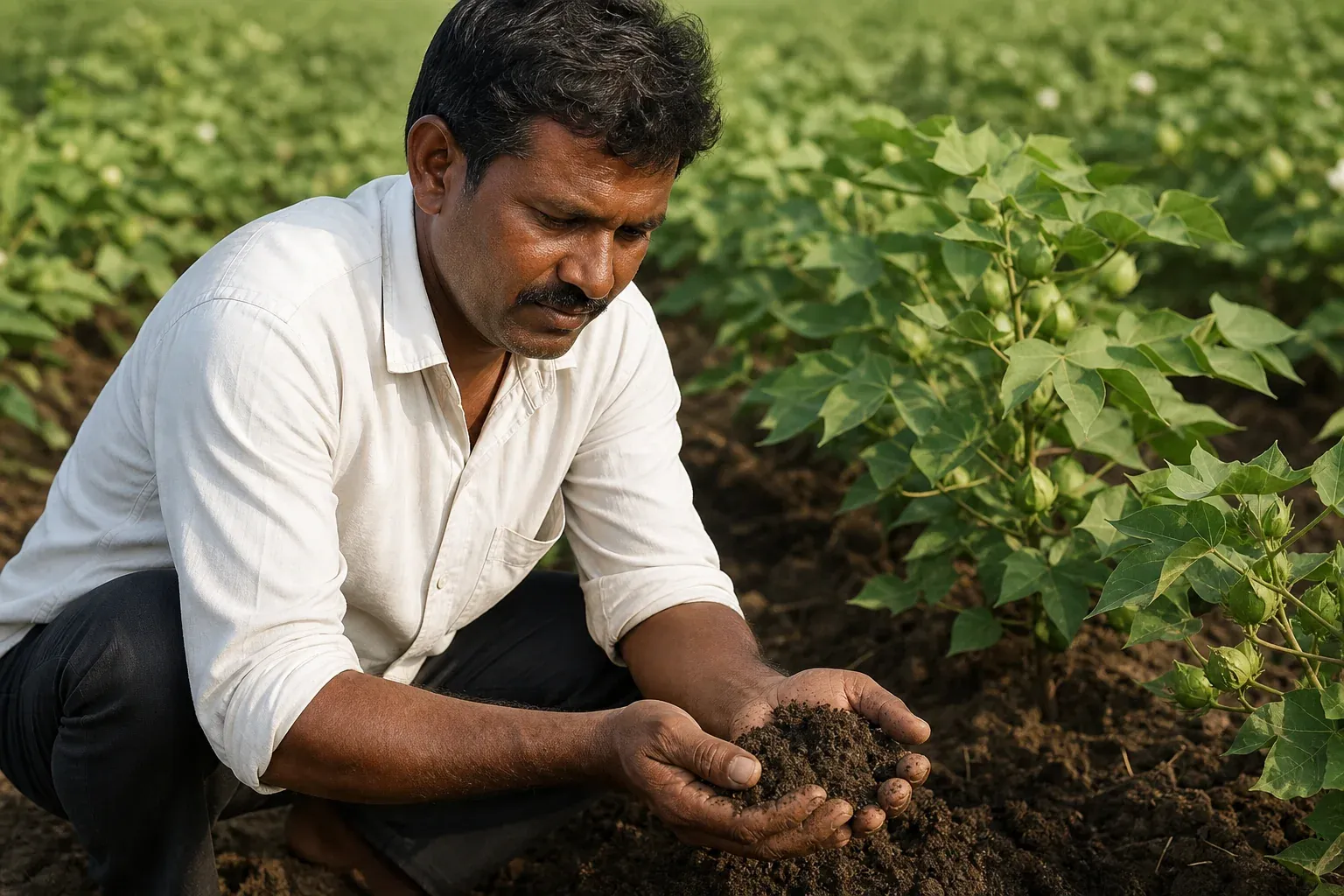
That thinking shows up in real, farm-level practices. Cover crops protect soil between seasons. Crop rotation breaks pest cycles without heavy chemical use. High-Density Planting Systems raise yield per acre without using more land. Alternate Wetting and Drying cuts methane in rice paddies.
None of these practices exist just to hit a policy target. They exist because a farmer's soil, water, and income improve when life returns to the soil. Carbon storage is a side effect of that recovery. It is not the main goal.
What Is Climate-Smart Agriculture Built To Do?
Climate-smart agriculture is a framework first pushed by the UN Food and Agriculture Organization. It aims for three things at once: raising farm income sustainably, helping farmers adapt to climate change, and cutting greenhouse gases where possible. It was built for governments and large development programs, not for one supply chain.
A climate-smart program might mean handing out drought-tolerant seeds, changing irrigation timing, or sending weather alerts to millions of farmers through a state agriculture office. These steps genuinely help farmers deal with unpredictable monsoons. But they are usually measured in bulk, at district or national level. They are not tied to one plot that a textile brand can trace back to a garment.
Where the Two Methodologies Actually Diverge
The clearest split is in how each is designed. Climate-smart agriculture works top-down: a policy goal decides which practices get funded. Regenerative agriculture works bottom-up: soil health and farmer results decide which practices get used. Carbon accounting follows from what actually happened in the field.
The second split is scale. Climate-smart programs often use modeled emissions numbers across a whole region. Regenerative programs, when they track data properly, can name the farmer, the plot, the season, and the exact tonnage of carbon stored. That difference decides which framework holds up in an ESG audit.
Which Framework Gives You Measurable Carbon Outcomes?
Regenerative agriculture, paired with farm-level tracking, gives brands a more auditable carbon result. It ties soil carbon gains and biochar storage to a named farm and plot. Climate-smart agriculture usually reports gains at a regional or program level. That is harder to trace back to one supply chain.
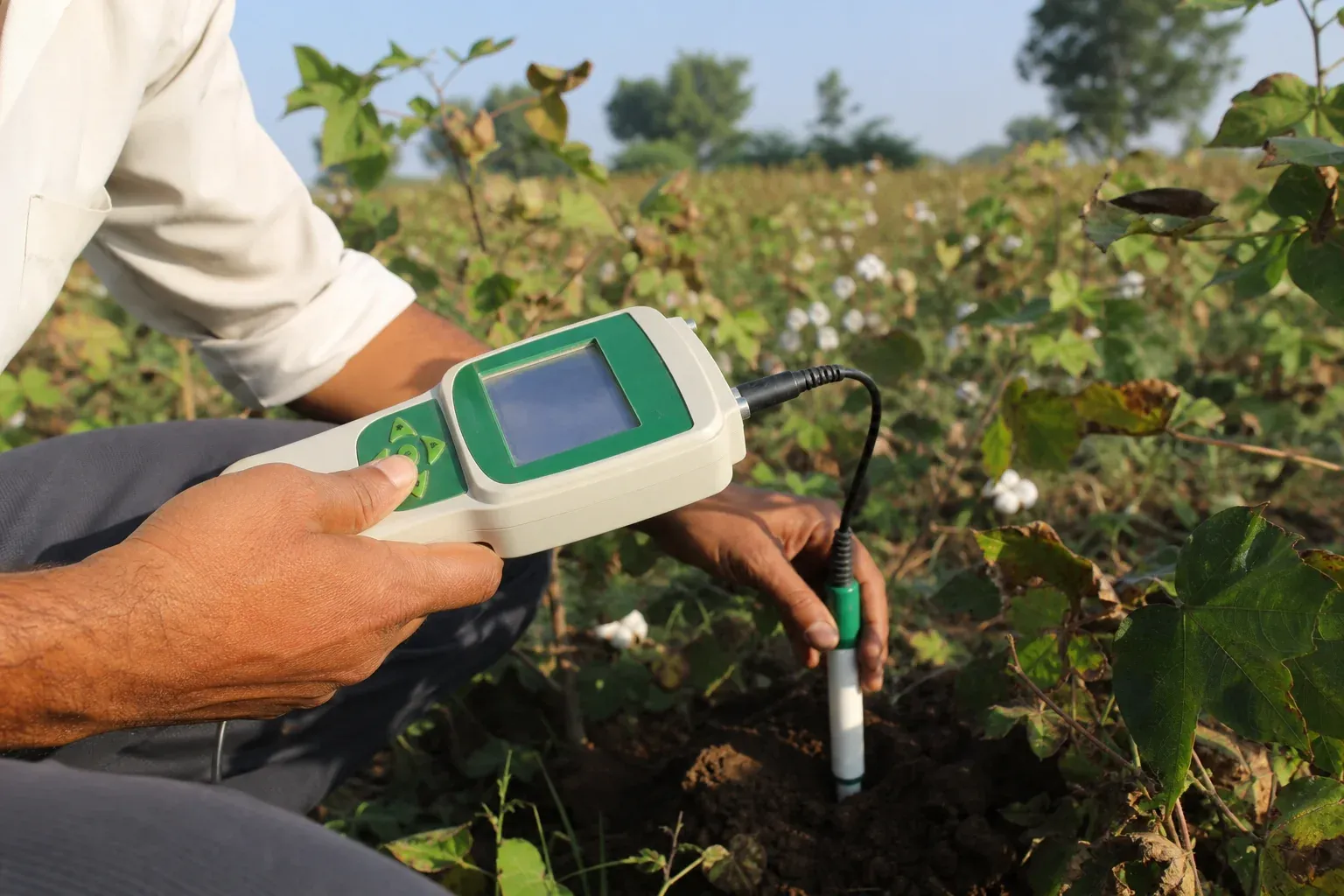
This matters because carbon claims live or die on proof. A brand that wants to claim insetting (offsetting emissions within its own supply chain) against its Scope 3 footprint needs a clear paper trail: farm ID, practice used, soil sample date, and verified tonnage. Regenerative programs built around carbon credit monetization and biochar tend to produce exactly that record.
This does not mean climate-smart agriculture is weaker on climate goals. It is simply built for a different audience: ministries reporting national progress, not one apparel brand defending a line in a Scope 3 report.
Regenerative vs Climate-Smart Agriculture: Side-by-Side Comparison
Beyond the table above, a few practical contrasts matter once you look past definitions and into real implementation.
- Timeframe to visible results: Regenerative soil health often shifts within two to three growing seasons on a well-run program. Climate-smart gains from new seeds or irrigation can show up faster. But soil carbon change usually isn't the goal there.
- Funding source: Climate-smart programs are usually funded by governments or multilateral development finance. Regenerative programs in textile chains are more often funded by brands paying for verified sourcing data.
- Certification overlap: Neither framework is a certification standard on its own. Both can feed into certification schemes. But regenerative claims still need their own farm-level proof to avoid greenwashing.
How Supply Chain Integration Differs for Textile Brands
For a brand sourcing cotton across India and Bangladesh, regenerative agriculture fits directly into the supply chain. The practices, the farmer, and the fiber are the same thread from field to fabric. That is the appeal of regenerative cotton sourcing: the sustainability data and the raw material arrive together.
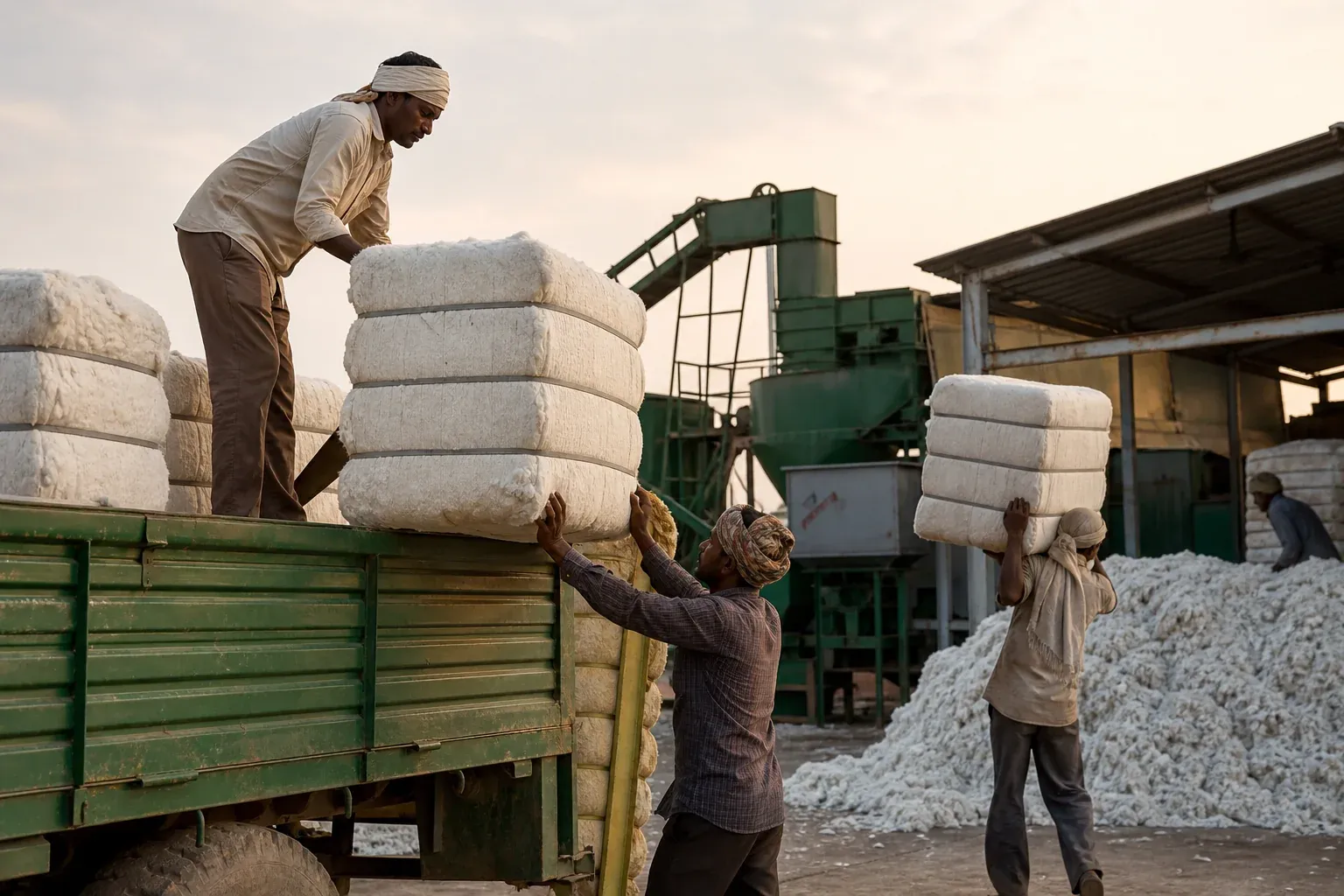
Climate-smart agriculture sits a layer above the supply chain. It shapes which seeds a ministry promotes or which water-saving subsidy a state offers. But it rarely travels with the bale of cotton a mill receives. A brand trying to build a supply chain traceability system on climate-smart data alone will hit a wall. That data does not drill down to the exact farm that grew the fiber in your shirt.
This gap creates real pressure across India's cotton belt and Bangladesh's manufacturing base. Rules like the EU's CSRD ask for proof grounded in the actual supply chain, not general offsets or regional averages. Regenerative programs with cooperative-based onboarding and biochar tracking close that gap. Policy-level climate-smart initiatives generally don't.
Can You Combine Both Approaches?
Yes. In practice, the strongest sourcing strategies combine both. Climate-smart policy can build the enabling environment: subsidies, extension services, water infrastructure. Regenerative programs then handle farm-level execution and brand-grade traceability.
Think of climate-smart agriculture as the big-picture layer a government sets. Regenerative agriculture is the operational layer a brand actually sources against. A cotton-growing state might run a climate-smart irrigation program while individual cooperatives inside that state run a regenerative cotton program using biochar and AWD. The two are not competing. They simply work at different levels.
How Should Procurement and Sustainability Teams Choose?
Choose based on what you need to prove, not what sounds more impressive. If your priority is Scope 3 insetting, CSRD-grade disclosure, or a defensible net zero claim tied to raw material, regenerative agriculture with verified tracking gives you the paper trail. If your priority is aligning with a government's broader farm policy or joining climate policy talks at a national level, climate-smart agriculture is the right vocabulary for ministries and think tanks.
Procurement teams should ask suppliers four direct questions. Can they name the farm and plot behind each claim? Is the soil carbon or biochar tonnage independently checked? Does the program raise farmer income, not just yield? And does the data fit your ESG reporting software? A supplier who can answer all four with specifics is running real regenerative practice with real tracking, whatever label they use.
Teams weighing this choice should also compare regenerative cotton against conventional cotton sourcing. That comparison shows where the extra cost actually buys verified data rather than marketing language.
Frequently Asked Questions
Is regenerative agriculture part of climate-smart agriculture?
No. Regenerative agriculture is its own outcome-based practice, focused on restoring soil and biodiversity. Climate-smart agriculture is a separate policy framework. It can include regenerative practices, but the two grew up independently and serve different audiences.
Which framework works better for carbon credit programs?
Regenerative agriculture works better for farm-level carbon credit and insetting programs. It produces plot-specific, auditable data. Climate-smart agriculture's regional reporting style is harder to turn into a tradeable, verified claim tied to one supply chain.
Do certification bodies recognize both approaches?
Certification bodies generally treat regenerative agriculture as a set of verifiable farm practices that can support a sustainability claim. Climate-smart agriculture works more as a policy label used in government and development programs. It is not usually a certifiable standard on its own.
Does climate-smart agriculture reduce emissions as effectively as regenerative agriculture?
Both approaches can cut emissions, but they measure it differently. Regenerative agriculture ties reductions to specific soil carbon gains and practices like biochar. These are trackable per farm. Climate-smart agriculture usually reports emissions cuts as part of a bigger productivity and adaptation package, measured at regional scale.
Choosing between these two frameworks really comes down to one question: what evidence does your brand, mill, or ministry need to stand behind? If your sustainability team needs farm-level proof for Scope 3 disclosures, net zero targets, or CSRD-grade reporting, Beetle Regen Solutions builds that traceable, farmer-first foundation across India and Bangladesh's cotton belt. Contact us to talk through which framework fits your sourcing goals, and how our Sustainability as a Service model can get you there.