How Farmer Collaboration Drives Regenerative Agriculture
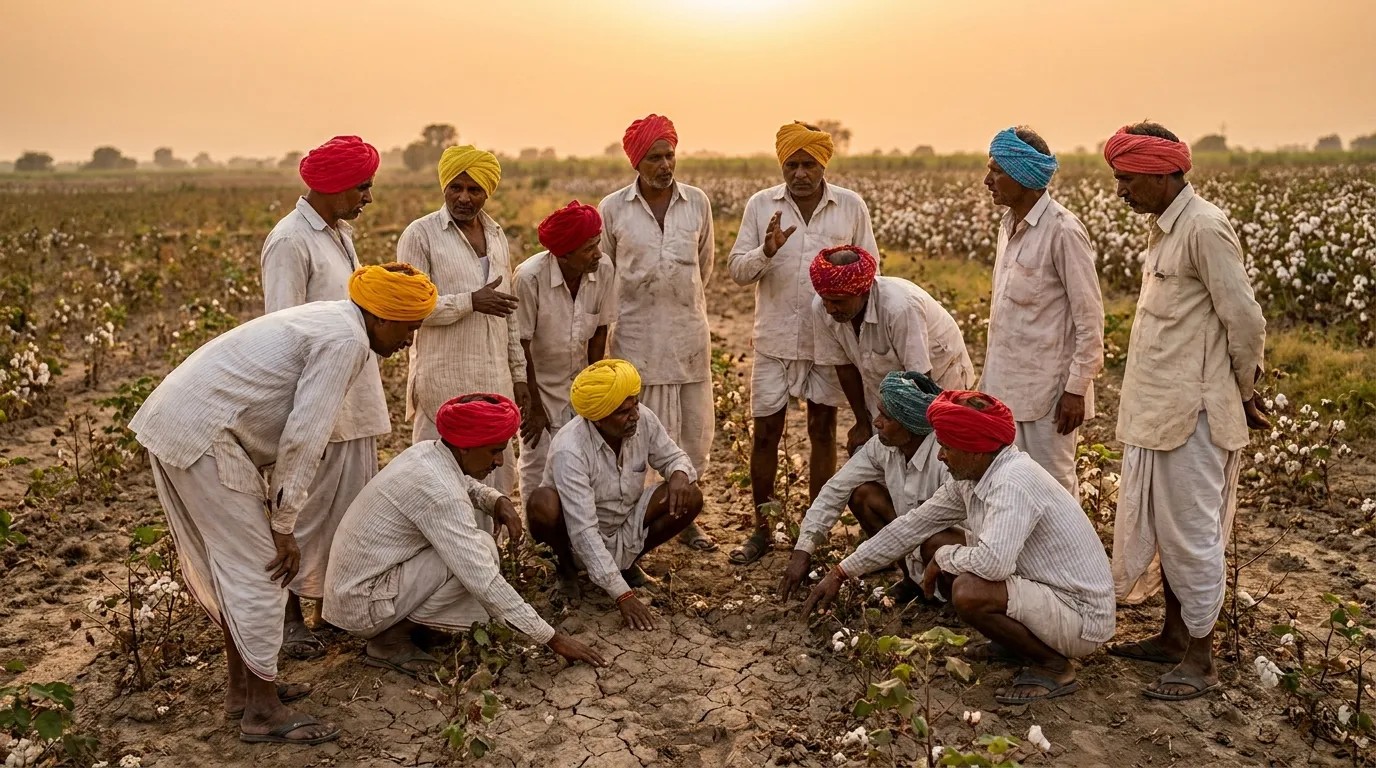
India's textile industry stands at a critical crossroads. As one of the world's largest cotton producers and textile exporters, the sector faces mounting pressure to address environmental degradation while meeting the growing demand for sustainable materials. At the heart of this transformation lies a powerful yet often overlooked solution: farmer collaboration. When farmers work together through structured capacity-building programs, they unlock the potential of regenerative agriculture to restore soil health, sequester carbon, and create economic value across the entire supply chain—from rural fields to global fashion brands.
The challenges are significant. Soil degradation threatens agricultural productivity, conventional farming practices contribute to climate change, and smallholder farmers struggle with declining yields and income. Yet through collaborative frameworks that connect farmers with each other and with textile supply chain stakeholders, we can address these interconnected problems while achieving carbon neutral goals and strengthening rural livelihoods. This article explores how farmer collaboration drives regenerative agriculture success and provides practical frameworks for textile brands, manufacturers, and agricultural businesses to implement these transformative models.
The Crisis Facing India's Agricultural and Textile Industries
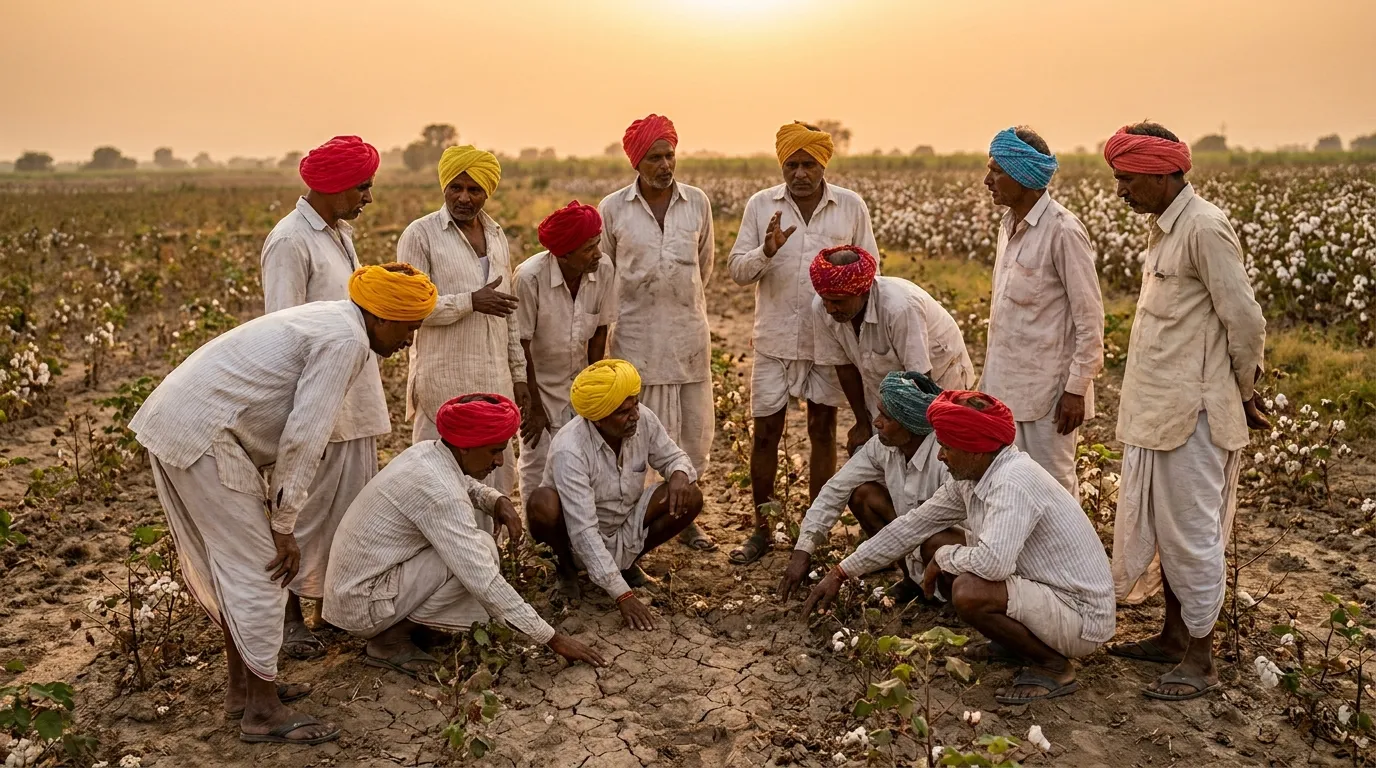
India's agricultural landscape faces an environmental crisis that directly impacts the textile industry's sustainability. According to the UN Food and Agriculture Organization, 33% of global soils are degraded, with India experiencing particularly severe impacts in cotton-growing regions. This degradation results from decades of intensive conventional farming practices that deplete soil organic matter, reduce water retention capacity, and diminish the land's ability to support healthy crop growth.
The economic consequences for farmers are devastating. Declining soil health leads to reduced cotton yields, forcing farmers to apply increasing amounts of chemical fertilizers and pesticides to maintain production levels. This creates a vicious cycle: higher input costs eat into already thin profit margins while further degrading soil quality. Many smallholder farmers in India's cotton belt struggle to earn sustainable incomes, with some facing debt burdens that threaten their livelihoods.
For textile manufacturers and brands, this crisis manifests as supply chain vulnerability and growing pressure to meet sustainability reporting requirements. Conventional cotton production is resource-intensive, requiring substantial water, generating significant greenhouse gas emissions, and contributing to scope 3 emissions that brands must now account for in their climate commitments. The disconnect between farmers practicing conventional methods and brands seeking sustainable materials creates a gap that individual efforts cannot bridge.
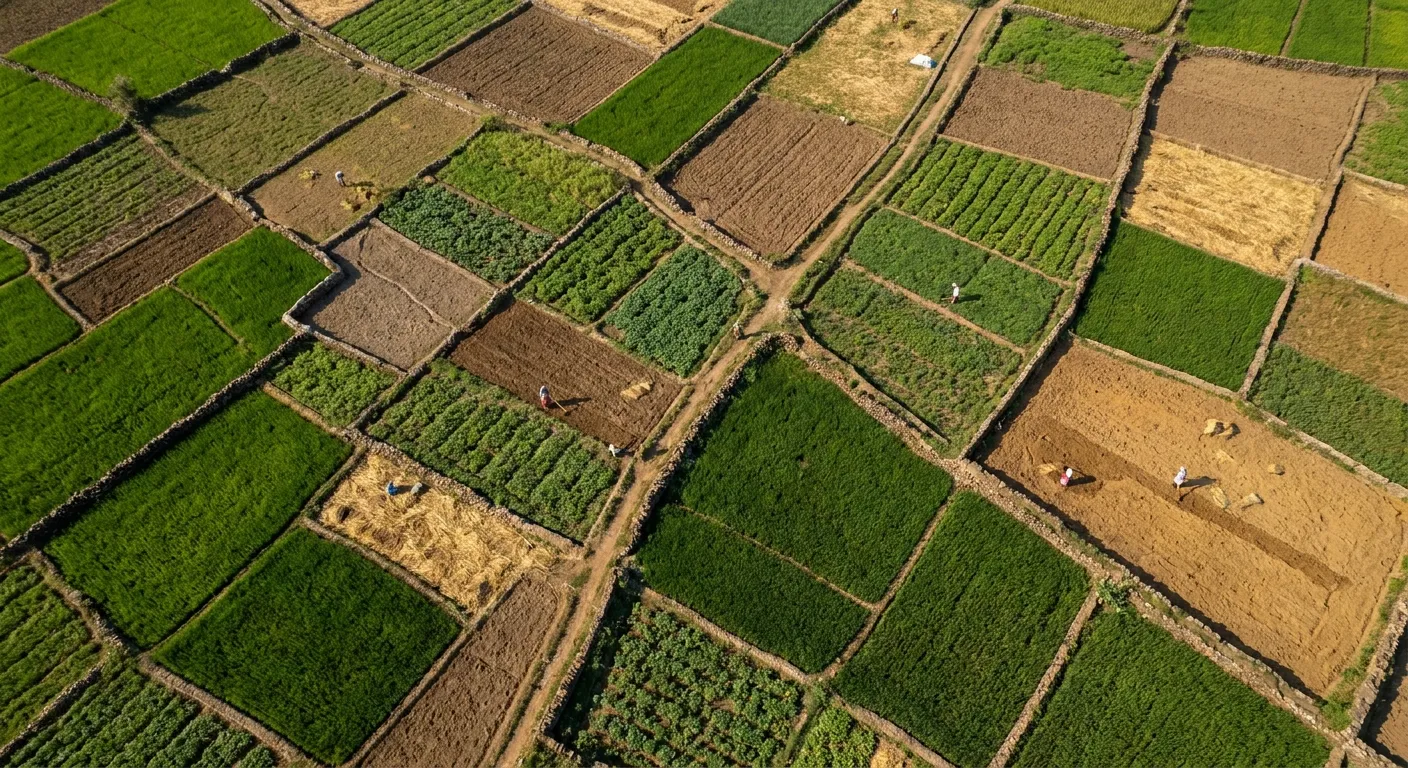
The fragmented nature of India's agricultural sector compounds these challenges. Most cotton farmers operate small plots of land, often less than two hectares, working in isolation without access to the latest knowledge on sustainable practices. This fragmentation prevents economies of scale, limits bargaining power, and makes it difficult for individual farmers to invest in soil health improvements or transition to regenerative methods. Without collaborative structures, farmers lack the support systems needed to make meaningful changes.
Climate change intensifies these pressures. Erratic rainfall patterns, increasing temperatures, and extreme weather events disrupt traditional farming calendars and reduce crop resilience. Degraded soils with low organic matter content are particularly vulnerable to these climate impacts, creating food security concerns and threatening the raw material supply for India's vital textile industry. The urgency of this crisis demands systemic solutions that go beyond individual farm interventions.
What Is Farmer Collaboration in Regenerative Agriculture?
Farmer collaboration in the context of regenerative agriculture refers to structured frameworks that bring farmers together to share knowledge, access resources, and collectively implement sustainable farming practices that restore soil health and ecosystem function. Unlike traditional agricultural extension programs that deliver top-down information, collaborative models emphasize peer-to-peer learning, shared decision-making, and collective action toward common sustainability goals.
These collaborative frameworks typically include several key components. First, they establish farmer networks or cooperatives that create regular opportunities for knowledge exchange and mutual support. Second, they provide capacity-building programs that train farmers in regenerative practices such as biochar applications, cover cropping, reduced tillage, and integrated pest management. Third, they connect farmers directly with textile supply chain stakeholders—manufacturers, brands, and retailers—creating transparency and shared accountability for sustainability outcomes.
Technology plays an increasingly important role in enabling farmer collaboration. Digital platforms facilitate communication among geographically dispersed farming communities, allowing farmers to share experiences, ask questions, and access expert guidance. Blockchain traceability systems create transparent connections between individual farms and the final textile products, enabling brands to verify sustainable sourcing claims while ensuring farmers receive recognition and fair compensation for their regenerative practices.
What distinguishes farmer collaboration from conventional agricultural programs is the emphasis on collective empowerment rather than individual compliance. Collaborative models recognize that farmers are knowledge holders with valuable insights about local conditions, traditional practices, and practical constraints. By creating spaces for farmers to learn from each other and co-create solutions, these programs build ownership and long-term commitment to regenerative agriculture that external mandates alone cannot achieve.
Successful collaborative models in India's textile sector demonstrate the power of this approach. Programs that bring together farmer groups with textile manufacturers and sustainability consultancies like Beetle Regen Solutions create integrated systems where knowledge flows in multiple directions. Farmers learn regenerative techniques while providing feedback on what works in their specific contexts. Manufacturers gain access to traceable sustainable materials while understanding the realities of agricultural production. This mutual learning accelerates the transition to regenerative agriculture across entire supply chains.
Why Farmer Collaboration Is Essential for Regenerative Agriculture Success
The transition to regenerative agriculture requires fundamental changes in farming practices, knowledge systems, and supply chain relationships. Farmer collaboration accelerates this transition in ways that individual efforts cannot match. When farmers work together, they create powerful synergies that overcome barriers and amplify positive impacts across environmental, economic, and social dimensions.
Knowledge transfer accelerates dramatically through peer-to-peer learning. Farmers trust the experiences of fellow farmers who face similar challenges and operate in comparable conditions. When one farmer successfully implements soil testing protocols and sees improved yields, neighboring farmers in the collaborative network can observe the results firsthand and adapt the practices to their own fields. This horizontal knowledge flow is faster and more effective than vertical extension services alone.
Collaborative frameworks create economies of scale that make regenerative practices more accessible and affordable. Farmer groups can collectively purchase inputs like biochar, access soil testing services at reduced costs, and share equipment for cover crop management. These economies of scale are particularly important for smallholder farmers who might find individual investments in regenerative agriculture financially prohibitive. Together, farmers can access resources and technologies that remain out of reach for isolated individuals.
Collective bargaining power transforms market relationships. When farmers collaborate through cooperatives or organized networks, they can negotiate better prices for their regenerative cotton, secure long-term purchase agreements with textile manufacturers, and access premium markets that value sustainable sourcing. This economic leverage is essential for making regenerative agriculture financially viable, ensuring that farmers who invest in soil health improvements receive fair compensation for the environmental benefits they create.
Accountability and shared commitment strengthen when farmers work together toward common goals. Collaborative programs establish group norms around sustainable practices, creating positive peer pressure that encourages consistent implementation of regenerative methods. Farmers support each other through challenges, celebrate successes together, and develop collective identity around their role as stewards of soil health and climate solutions. This social dimension of farmer collaboration builds resilience and long-term commitment that individual incentives alone cannot sustain.
Data collection and measurement become more robust through collaborative frameworks. Regenerative agriculture programs require systematic monitoring of soil health indicators, carbon sequestration rates, and environmental outcomes to verify sustainability claims and access carbon credit markets. When farmers collaborate, they can implement standardized measurement protocols, share data collection responsibilities, and aggregate results to demonstrate impact at scale. This collective data infrastructure is essential for sustainability reporting and connecting regenerative agriculture to climate finance opportunities.
The Problem: Barriers to Effective Farmer Collaboration
Despite the clear benefits of farmer collaboration, significant barriers prevent its widespread adoption in India's agricultural and textile sectors. Understanding these obstacles is essential for designing effective collaborative programs that address real-world constraints rather than idealized scenarios.
Fragmented landholdings create geographic and logistical challenges for bringing farmers together. India's agricultural landscape is characterized by small, scattered plots that make it difficult to organize collective activities. Farmers may need to travel significant distances to participate in training sessions or group meetings, taking time away from farm work and family responsibilities. This geographic dispersion increases the coordination costs of collaborative programs and can limit participation, particularly among women farmers who face additional mobility constraints.
Trust deficits and historical competition among farming communities pose social barriers to collaboration. In many regions, farmers have traditionally competed for water resources, labor, and market access rather than cooperating. Decades of individualistic farming practices have created cultural norms that prioritize self-reliance over collective action. Building the trust necessary for genuine collaboration requires time, consistent engagement, and demonstration that working together produces better outcomes than working alone.
Limited access to training, technology, and financial resources constrains farmers' ability to participate in collaborative regenerative agriculture programs. Many smallholder farmers lack formal education, making it challenging to engage with technical information about soil science, carbon sequestration, or ERP integration for traceability. Digital literacy barriers prevent some farmers from using technology platforms that facilitate collaboration. Financial constraints mean farmers cannot afford to experiment with new practices that might reduce yields during transition periods, even if long-term benefits are promising.
Communication gaps between farmers and textile supply chain stakeholders create misalignment and missed opportunities. Farmers often lack direct connections to the manufacturers and brands that purchase their cotton, making it difficult to understand market demands for sustainable materials or communicate the challenges of implementing regenerative practices. Without transparent communication channels, farmers cannot access the technical support, financial incentives, or market premiums that would make farmer collaboration economically attractive.
The absence of transparent traceability systems prevents farmers from capturing value for their regenerative practices. When cotton from regenerative farms is mixed with conventionally grown cotton in the supply chain, farmers lose the ability to differentiate their products and command premium prices. This lack of traceability undermines the economic case for farmer collaboration and regenerative agriculture, as farmers cannot demonstrate the sustainability attributes that brands and consumers increasingly value. Without blockchain traceability or similar systems, the connection between farm-level practices and final products remains invisible.
The Solution: Building Collaborative Capacity-Building Programs
Effective farmer collaboration requires intentional program design that addresses the barriers outlined above while creating structures for sustained engagement and mutual learning. The most successful collaborative capacity-building programs in regenerative agriculture share common elements that can be adapted to different contexts within India's textile supply chain.
The foundation of any collaborative program is a clear framework that defines roles, responsibilities, and shared goals. This framework should articulate the purpose of farmer collaboration—whether focused on improving soil health, accessing carbon credit markets, meeting textile brand sustainability requirements, or achieving multiple objectives simultaneously. Clear goals create alignment among diverse stakeholders and provide benchmarks for measuring progress. The framework should also establish governance structures that give farmers meaningful voice in program decisions rather than treating them as passive recipients of external interventions.
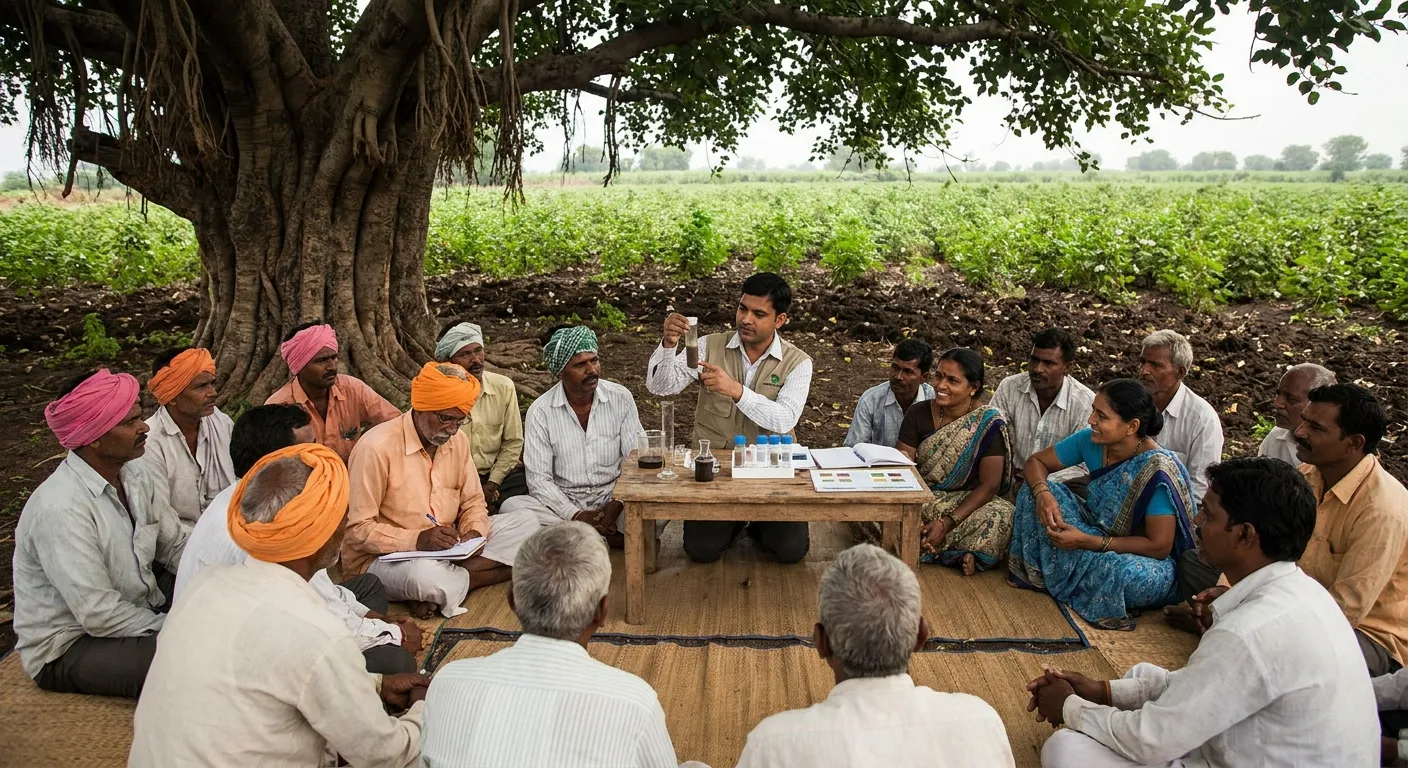
Establishing farmer networks and cooperatives requires careful attention to social dynamics and local context. Successful programs often start with small pilot groups of early adopters who demonstrate the benefits of collaboration before expanding to larger networks. These initial groups should include respected community members who can serve as peer educators and champions for regenerative agriculture. The network structure should facilitate regular interaction through field days, demonstration farms, and farmer field schools where participants can observe regenerative practices in action and discuss results with their peers.
Training methodologies must be participatory and experiential rather than purely didactic. Adult learners, particularly farmers with decades of practical experience, engage most effectively when they can test new ideas, observe results, and adapt practices to their specific conditions. Collaborative capacity-building programs should combine classroom-style information sharing with hands-on field activities, farmer-to-farmer exchanges, and iterative experimentation. Training content should cover both technical aspects of regenerative agriculture—such as biochar applications, cover crop selection, and methane reduction techniques, and business skills like record-keeping, quality management, and market engagement.
Technology platforms can enhance collaboration when designed with farmers' needs and capabilities in mind. Mobile-based communication tools allow farmers to share photos of crop conditions, ask questions to agronomists, and receive weather alerts or market information. Digital platforms should support local languages, work with limited connectivity, and provide voice-based interfaces for farmers with limited literacy. When integrated with blockchain traceability systems, these platforms can also help farmers track their cotton from field to final product, creating transparency that builds trust and enables premium pricing for regenerative materials.
Creating feedback loops between farmers and supply chain partners is essential for maintaining relevance and responsiveness. Collaborative programs should establish regular communication channels where farmers can share challenges they face in implementing regenerative practices, and manufacturers or brands can communicate their sustainability requirements and market opportunities. These feedback loops ensure that capacity-building programs address real needs rather than theoretical priorities, and they help supply chain partners understand the practical realities of agricultural production. Organizations like Beetle Regen Solutions facilitate these connections by serving as intermediaries who translate between farming communities and corporate sustainability teams.
Implementing Farmer Collaboration: Practical Steps for Textile Brands and Manufacturers
For textile brands and manufacturers committed to sustainable sourcing and carbon neutral goals, implementing farmer collaboration programs requires systematic planning and long-term commitment. The following practical steps provide a roadmap for building effective collaborative frameworks that deliver environmental and economic benefits across the supply chain.
Step 1: Map Your Supply Chain and Identify Farmer Communities
Begin by understanding where your cotton originates and who grows it. Many textile brands lack visibility beyond their immediate suppliers, making it impossible to engage with farming communities. Work with your yarn producers and fabric mills to trace cotton back to specific growing regions and farmer groups. This supply chain mapping exercise reveals opportunities for farmer collaboration and identifies the geographic areas where your sustainability investments will have the greatest impact. Document the current practices, challenges, and aspirations of these farming communities to inform program design.
Step 2: Establish Partnerships with Local Organizations and Sustainability Consultancies
Successful farmer collaboration programs require local expertise and trusted relationships that external brands cannot build alone. Partner with organizations that have established presence in cotton-growing regions, understand local languages and cultures, and have credibility with farming communities. Sustainability consultancies like Beetle Regen Solutions bring specialized knowledge of regenerative agriculture, experience designing capacity-building programs, and connections to both farmers and textile supply chains. These partnerships provide the implementation capacity and contextual knowledge essential for effective farmer collaboration.
Step 3: Design Collaborative Training Programs on Regenerative Practices
Develop comprehensive training curricula that address the specific needs and conditions of your target farmer communities. Training should cover core regenerative agriculture practices including soil testing and interpretation, organic matter building through compost and cover crops, biochar applications for carbon sequestration, integrated pest management, water conservation techniques, and biodiversity enhancement. Programs should also address business skills such as record-keeping, quality control, and understanding market requirements for sustainable cotton. Design training delivery methods that combine classroom sessions, field demonstrations, farmer-to-farmer exchanges, and ongoing technical support through digital platforms or regular field visits.
Step 4: Implement Soil Testing, Biochar Applications, and Carbon Sequestration Methods
Move from training to action by supporting farmers in implementing regenerative practices on their land. Facilitate access to soil testing services that establish baseline conditions and track improvements over time. These tests should measure key indicators including organic carbon content, nutrient levels, pH, and microbial activity. Support farmers in applying biochar, a carbon-rich material produced from agricultural waste, which improves soil structure, enhances water retention, and sequesters carbon for centuries. Implement standardized protocols for measuring carbon sequestration that can support carbon credit certification and demonstrate climate impact to stakeholders. This practical implementation phase is where farmer collaboration delivers tangible environmental benefits.
Step 5: Build Traceability Systems and Blockchain Integration for Transparency
Invest in traceability infrastructure that connects individual farms to final textile products. Blockchain traceability systems create immutable records of cotton's journey from field to fashion, documenting which farmers grew the fiber, what regenerative practices they used, and how the material moved through processing and manufacturing. This transparency enables brands to verify sustainability claims, farmers to receive recognition and premium prices for regenerative cotton, and consumers to make informed purchasing decisions. Traceability also generates the data needed for sustainability reporting and compliance with emerging textile compliance regulations. For guidance on integrating these systems, see How to Integrate Regenerative Agriculture Data Across Supply Chains.
Step 6: Measure Impact Through Sustainability Reporting and Scope 3 Emissions Tracking
Establish robust monitoring and evaluation systems that track both environmental and economic outcomes of farmer collaboration programs. Environmental metrics should include soil health improvements, carbon sequestration rates, water usage reduction, chemical input decreases, and biodiversity indicators. Economic metrics should track farmer income changes, yield improvements, cost savings from reduced inputs, and premium prices received for regenerative cotton. These measurements feed into your organization's scope 3 emissions accounting and sustainability reporting, demonstrating progress toward carbon neutral and net zero commitments. Regular impact reporting also builds accountability and helps refine program design based on results. Learn more about comprehensive measurement frameworks in Carbon Sequestration in Agriculture: A Complete Framework.
Economic and Environmental Benefits Across the Supply Chain
When implemented effectively, farmer collaboration programs create value for all stakeholders in the textile supply chain. Understanding these multi-dimensional benefits helps build the business case for investing in collaborative regenerative agriculture and sustaining commitment through the multi-year transition period.
For farmers, collaboration unlocks economic opportunities that individual efforts cannot access. Farmers participating in collaborative regenerative agriculture programs typically see yield increases of 10-30% within three to five years as soil health improves and crops become more resilient to climate stress. Reduced dependence on expensive chemical inputs lowers production costs, improving profit margins even before accounting for premium prices. Access to carbon credit markets through collaborative measurement and verification systems creates new revenue streams, with farmers earning additional income for the carbon they sequester in soil. Perhaps most importantly, farmer collaboration builds social capital and collective bargaining power that strengthens economic security beyond any single growing season.
For manufacturers, farmer collaboration programs secure access to traceable, sustainable raw materials that meet growing market demands. Yarn producers and fabric mills that source from collaborative regenerative agriculture programs can differentiate their products, command premium prices, and build long-term relationships with brands seeking sustainable sourcing. These programs also reduce supply chain risk by improving farmer livelihoods and building resilience to climate impacts that threaten conventional cotton production. Manufacturers benefit from reduced scope 3 emissions as regenerative practices sequester carbon rather than releasing it, helping them meet their own climate commitments and comply with emerging textile compliance standards.
For textile brands and retailers, farmer collaboration programs are essential tools for achieving sustainability goals while building brand reputation. Brands can credibly claim carbon neutral or climate-positive products when they source from verified regenerative agriculture programs with transparent traceability. This authenticity resonates with increasingly conscious consumers who demand proof of sustainability claims. Farmer collaboration also addresses reputational risks related to farmer welfare and supply chain ethics, demonstrating commitment to fair partnerships rather than extractive relationships. Leading brands like those working with Beetle Regen Solutions use farmer collaboration as a competitive differentiator in crowded markets.
Environmental outcomes extend far beyond individual farms when farmer collaboration achieves scale. Regenerative agriculture practices implemented across networks of farms create landscape-level benefits including watershed protection, biodiversity corridors, and regional climate resilience. Carbon sequestration through improved soil health and biochar applications removes atmospheric CO2, contributing to climate mitigation. Methane reduction from improved soil management and reduced synthetic fertilizer use further decreases greenhouse gas emissions. Water quality improves as reduced chemical runoff protects rivers and groundwater. These environmental benefits create public goods that justify policy support and public-private partnerships for scaling farmer collaboration.
Real-world examples from India's regenerative cotton programs demonstrate these benefits in practice. Farmer groups participating in collaborative capacity-building programs report not only improved incomes and soil health but also enhanced community cohesion, increased food security from diversified cropping systems, and greater optimism about the future of farming. These holistic outcomes reflect the transformative potential of farmer collaboration when programs are designed with genuine commitment to farmer-first principles and long-term sustainability. For comparative analysis of economic returns, see Regenerative Agriculture vs. Conventional Farming: ROI in 2026.
Measuring Success: Key Performance Indicators for Farmer Collaboration Programs
Effective measurement is essential for managing farmer collaboration programs, demonstrating impact to stakeholders, and continuously improving implementation. A comprehensive set of key performance indicators (KPIs) should track progress across participation, environmental, economic, and supply chain dimensions.
Farmer participation metrics provide the foundation for all other outcomes. Track the number of farmers enrolled in collaborative programs, their geographic distribution, and demographic characteristics including gender and farm size. Monitor participation rates in training sessions, field days, and collaborative activities to identify engagement patterns and barriers. Measure retention rates over time, as sustained participation is more valuable than high initial enrollment followed by dropout. These participation metrics reveal whether programs are reaching intended beneficiaries and maintaining their engagement through the multi-year transition to regenerative agriculture.
Soil health indicators measure the core environmental outcomes of regenerative agriculture. Establish baseline soil conditions through comprehensive testing before program implementation, then conduct regular follow-up tests to track changes. Key metrics include soil organic carbon content (the primary indicator of carbon sequestration), nutrient levels (nitrogen, phosphorus, potassium), pH, soil structure and aggregation, water infiltration rates, and microbial biomass. These technical measurements should be complemented by farmer observations of soil quality, as farmers' experiential knowledge provides valuable qualitative insights that laboratory tests alone cannot capture.
Economic indicators demonstrate the financial viability of farmer collaboration and regenerative agriculture. Track changes in farmer income from cotton sales, including both yield improvements and premium prices for regenerative cotton. Monitor production costs, particularly expenditures on chemical fertilizers and pesticides, to document cost savings from regenerative practices. Calculate return on investment for farmers who participate in collaborative programs compared to those practicing conventional agriculture. Track access to carbon credit markets and revenue generated from carbon sequestration. These economic metrics are critical for demonstrating that farmer collaboration creates genuine value for farmers, not just environmental benefits for brands.
Environmental metrics beyond soil health provide comprehensive sustainability assessment. Measure carbon sequestration rates in tons of CO2 equivalent per hectare per year, using standardized protocols that support carbon credit certification. Track water usage and irrigation efficiency improvements. Monitor reductions in chemical inputs including synthetic fertilizers, pesticides, and herbicides. Document biodiversity indicators such as beneficial insect populations, bird species diversity, and presence of native plants. These environmental metrics support sustainability reporting and demonstrate progress toward climate and conservation goals.
Supply chain transparency indicators measure the effectiveness of traceability systems and supply chain integration. Track the percentage of cotton that can be traced from specific farms through processing to final products. Monitor data accuracy and completeness in traceability systems. Measure the speed and efficiency of information flow between farmers and supply chain partners. Document compliance with textile compliance standards and sustainability certifications. These transparency metrics are increasingly important as regulations and consumer expectations demand verifiable sustainability claims backed by robust data.
Overcoming Common Challenges in Farmer Collaboration Initiatives
Even well-designed farmer collaboration programs encounter challenges during implementation. Anticipating these obstacles and developing strategies to address them increases the likelihood of long-term success and sustained impact.
Language and literacy barriers require thoughtful adaptation of training materials and communication methods. Many smallholder farmers in India have limited formal education and may not be literate in the languages used for technical documentation. Effective programs develop training materials in local languages, use visual aids and demonstrations rather than text-heavy presentations, and employ peer educators who speak farmers' native languages and understand local contexts. Digital platforms should offer voice-based interfaces and visual communication tools that work for farmers with varying literacy levels. Investing in culturally appropriate communication methods is essential for inclusive farmer collaboration.
Managing diverse farming practices and regional variations challenges standardized program design. India's agricultural landscape includes tremendous diversity in soil types, climate conditions, water availability, and traditional farming practices. A regenerative agriculture approach that works well in one region may require significant adaptation for another. Successful farmer collaboration programs balance standardized core principles with flexibility for local adaptation. They empower farmer groups to experiment with different regenerative practices and share learnings about what works in their specific contexts. This adaptive management approach respects local knowledge while building collective understanding of regenerative agriculture principles.
Ensuring long-term commitment and preventing program dropout requires attention to both economic incentives and social dynamics. Farmers may disengage from collaborative programs if they don't see tangible benefits within reasonable timeframes, if participation demands too much time away from farm work, or if social conflicts arise within farmer groups. Programs should provide early wins through practices that show quick results, such as cover cropping or compost application, while building toward longer-term soil health improvements. Regular communication about progress, celebration of successes, and responsive problem-solving when challenges arise help maintain farmer engagement. Financial incentives such as premium prices for regenerative cotton or access to carbon credit revenue should be delivered reliably and transparently to build trust.
Balancing commercial goals with farmer-first approaches requires careful attention to power dynamics and partnership structures. Textile brands and manufacturers have legitimate business interests in securing sustainable materials and meeting sustainability targets, but these commercial goals should not override farmers' needs and priorities. Genuine farmer collaboration means giving farmers voice in program design, respecting their knowledge and autonomy, and ensuring that economic benefits are distributed fairly across the supply chain. Programs that treat farmers as partners rather than suppliers create more sustainable relationships and better long-term outcomes. This farmer-first approach is central to Beetle Regen Solutions' methodology and distinguishes truly collaborative programs from extractive ones.
Navigating regulatory requirements and textile compliance standards adds complexity to farmer collaboration programs. Different markets have varying requirements for organic certification, sustainability claims, carbon credit verification, and supply chain transparency. Programs must stay current with evolving regulations and ensure that their measurement and documentation systems meet relevant standards. This regulatory navigation requires specialized expertise that many farmers and even some brands lack. Partnering with consultancies that understand both agricultural practices and compliance requirements helps ensure that farmer collaboration programs generate credible, verifiable sustainability outcomes that meet market demands. For broader context on policy alignment, see How Regenerative Agriculture Aligns with Climate Policy.
The Future of Farmer Collaboration in India's Textile Supply Chain
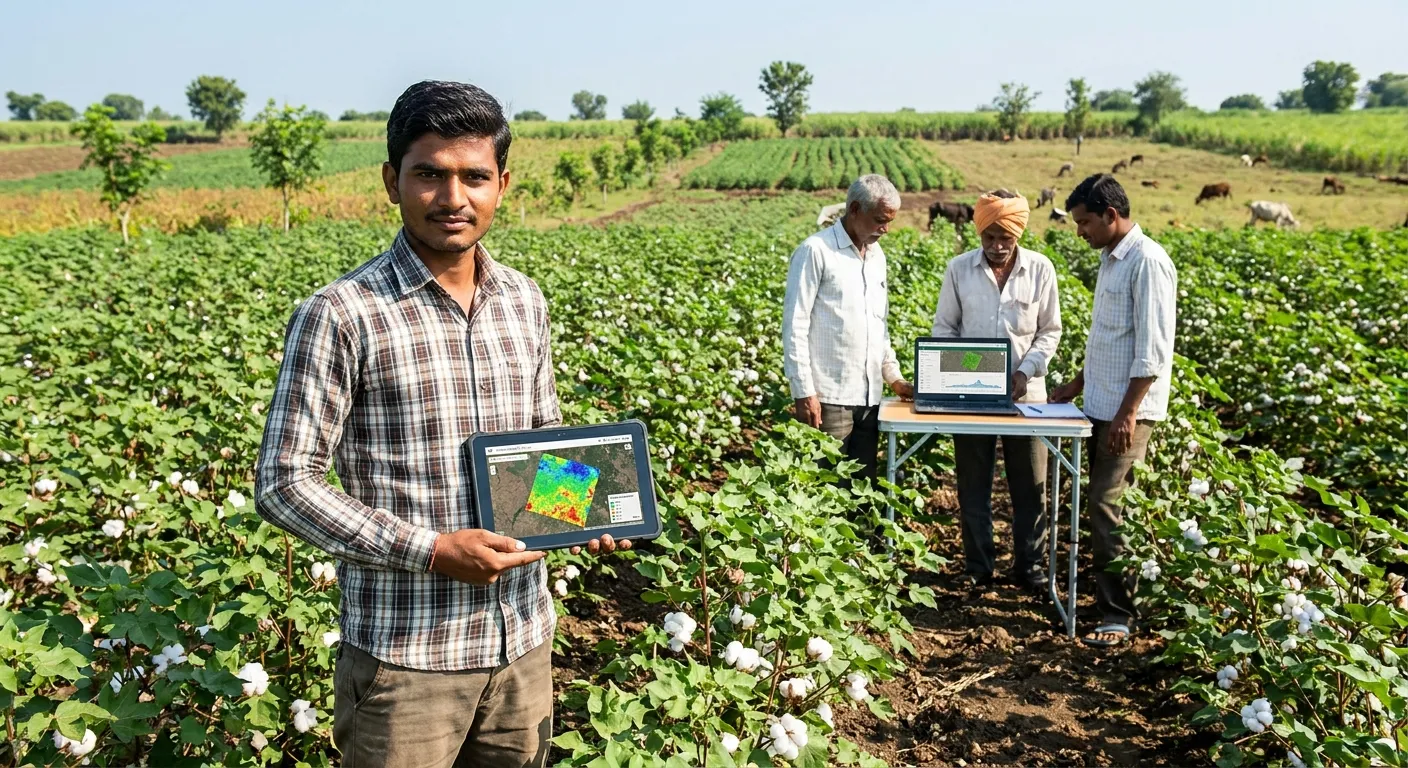
The future of farmer collaboration in India's textile sector is shaped by converging trends in technology, policy, market demand, and climate urgency. Understanding these trends helps stakeholders position their programs for long-term impact and scalability.
Emerging technologies are transforming the possibilities for farmer collaboration and regenerative agriculture monitoring. Artificial intelligence and machine learning enable analysis of satellite imagery to track soil health changes, crop growth patterns, and land use across thousands of farms simultaneously. This remote sensing capability reduces the cost of monitoring while providing objective data to complement farmer reports and field measurements. Digital platforms are becoming more sophisticated, offering personalized recommendations based on individual farm conditions while facilitating peer-to-peer knowledge sharing across farmer networks. Mobile payment systems enable efficient distribution of premium prices and carbon credit revenues directly to farmers' accounts, reducing transaction costs and increasing transparency.
Policy support for regenerative agriculture is growing at national and state levels in India. Government initiatives increasingly recognize the importance of soil health for food security, climate resilience, and rural livelihoods. Policies that provide financial incentives for regenerative practices, support farmer training programs, and facilitate market access for sustainable agricultural products create enabling environments for farmer collaboration. The alignment between regenerative agriculture and India's climate commitments under international agreements creates opportunities for public-private partnerships that leverage government resources alongside private sector investment. Advocacy organizations and climate think tanks are building the evidence base and political will for policies that support farmer collaboration at scale.
Growing demand from global textile brands for sustainable sourcing is perhaps the most powerful driver of farmer collaboration expansion. Major retailers and fashion brands have made ambitious commitments to achieve carbon neutral or net zero emissions by 2030 or 2040, and they recognize that scope 3 emissions from agricultural raw materials are their largest climate impact. These brands are actively seeking suppliers who can provide traceable, regenerative cotton with verified sustainability attributes. This market demand creates economic opportunities for farmer collaboration programs that can deliver the scale, quality, and documentation that brands require. As consumer awareness of fashion's environmental impact grows, brands that can demonstrate genuine farmer partnerships and regenerative sourcing will have competitive advantages.
Scaling farmer collaboration models across India and Bangladesh represents both an opportunity and a challenge. Current programs reach thousands of farmers, but India has millions of cotton farmers who could benefit from collaborative regenerative agriculture. Scaling requires standardized methodologies that maintain quality while reducing per-farmer costs, technology platforms that work across diverse contexts, and financing mechanisms that support expansion. Successful scaling also requires building the capacity of local organizations and farmer cooperatives to lead programs rather than depending entirely on external consultancies. The most sustainable scaling strategies build local ownership and leadership while maintaining connections to supply chain partners and technical expertise.
Integration with circular economy principles and climate policy frameworks positions farmer collaboration as part of broader sustainability transformations. Regenerative agriculture connects to circular economy thinking by closing nutrient loops, reducing waste, and building resilient systems that regenerate rather than degrade natural resources. Farmer collaboration programs increasingly link to carbon markets, climate finance mechanisms, and international climate policy frameworks, creating multiple value streams that support program sustainability. This integration elevates farmer collaboration from a niche agricultural practice to a mainstream climate solution with relevance far beyond the textile sector. For insights on circular economy connections, see Circular Economy in Fashion: How Regenerative Agriculture Closes the Loop.
Taking Action: Your Next Steps Toward Farmer Collaboration
The evidence is clear: farmer collaboration drives regenerative agriculture success in India's textile supply chain, creating environmental benefits, economic value, and social impact across the entire value chain. For textile brands, manufacturers, agricultural businesses, and sustainability professionals, the question is not whether to invest in farmer collaboration, but how to begin and scale these transformative programs.
Start by assessing your organization's readiness for farmer collaboration programs. Evaluate your current supply chain visibility, sustainability commitments, and internal capacity for supporting multi-year agricultural programs. Identify the business case for farmer collaboration within your organization, connecting it to specific goals such as carbon neutral achievement, supply chain resilience, brand differentiation, or regulatory compliance. Build internal alignment among procurement, sustainability, and leadership teams around the strategic importance of farmer collaboration for your organization's future.
Identify the right partners and consultancies for implementation. Successful farmer collaboration requires expertise in regenerative agriculture, experience working with farming communities, and understanding of textile supply chain dynamics. Organizations like Beetle Regen Solutions bring this integrated expertise, offering comprehensive support from supply chain mapping through program design, farmer training, traceability implementation, and impact measurement. The right partners accelerate program development, reduce implementation risks, and increase the likelihood of achieving meaningful outcomes for both farmers and your organization.
Consider starting with pilot programs that test approaches and build learnings before scaling. Pilot programs allow you to experiment with different training methodologies, technology platforms, and partnership structures in a controlled setting. They generate early evidence of impact that can build internal support and attract additional investment. Pilots also create opportunities to learn from farmers about what works and what needs adjustment, ensuring that larger-scale programs are informed by real-world experience rather than theoretical assumptions.
Connect farmer collaboration explicitly to your carbon neutral and net zero commitments. Regenerative agriculture is one of the most credible and cost-effective strategies for addressing scope 3 emissions from agricultural raw materials. By investing in farmer collaboration programs that sequester carbon in soil, you create measurable climate benefits that contribute to your organization's climate goals while supporting farmer livelihoods. This dual benefit, climate impact plus social value, strengthens the business case and aligns with stakeholder expectations for holistic sustainability.
The transformation of India's textile supply chain through farmer collaboration is already underway, driven by the urgent need to address soil degradation, climate change, and farmer livelihoods. Organizations that act now to build collaborative regenerative agriculture programs will lead this transformation, securing sustainable supply chains while creating positive impact for farming communities and the environment. The time for farmer collaboration is now, the soil health, climate stability, and economic vitality of India's agricultural and textile sectors depend on the collective action we take today.
Ready to transform your textile supply chain through farmer collaboration and regenerative agriculture? Contact Beetle Regen Solutions to explore how collaborative capacity-building programs can help you achieve your sustainability goals while strengthening farmer livelihoods and restoring soil health across your supply chain. Together, we can build the regenerative future that India's farmers, textile industry, and planet urgently need.