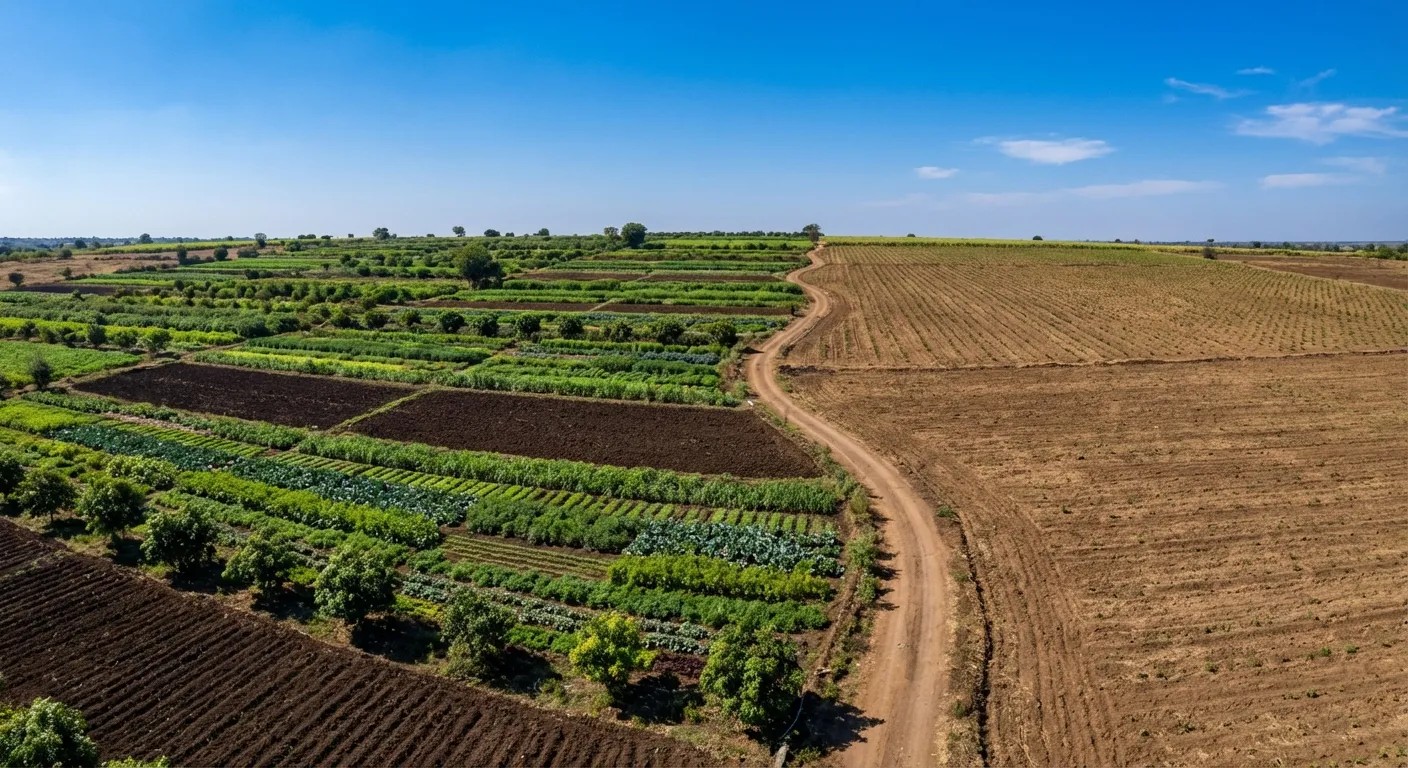
Net Zero Agriculture: Complete Buyer's Guide 2026
As businesses worldwide accelerate their commitment to environmental sustainability, achieving Net Zero agriculture has become a critical priority for corporate sustainability teams, textile manufacturers, and agricultural enterprises. With 33% of global soils already degraded according to UN FAO data, and agriculture contributing significantly to greenhouse gas emissions, the urgency for transformation has never been greater. However, navigating the complex landscape of regenerative agriculture consulting partners can be overwhelming.
This comprehensive buyer's guide provides corporate decision-makers with a structured framework for evaluating and selecting the right Net Zero agriculture consulting partner in 2026. Whether you're a textile manufacturer seeking to decarbonize your supply chain, an agricultural business transitioning to sustainable practices, or a sustainability team tasked with achieving ambitious climate goals, this guide will help you make an informed decision that delivers measurable environmental and economic results.
Understanding Net Zero Agriculture in 2026
Net Zero agriculture represents a holistic approach to farming that balances greenhouse gas emissions with carbon removal, ultimately achieving zero net carbon emissions across agricultural operations. Unlike carbon neutral initiatives that may rely heavily on offsets, Net Zero agriculture emphasizes actual emission reductions through regenerative practices, soil health improvement, and carbon sequestration directly within farming systems.
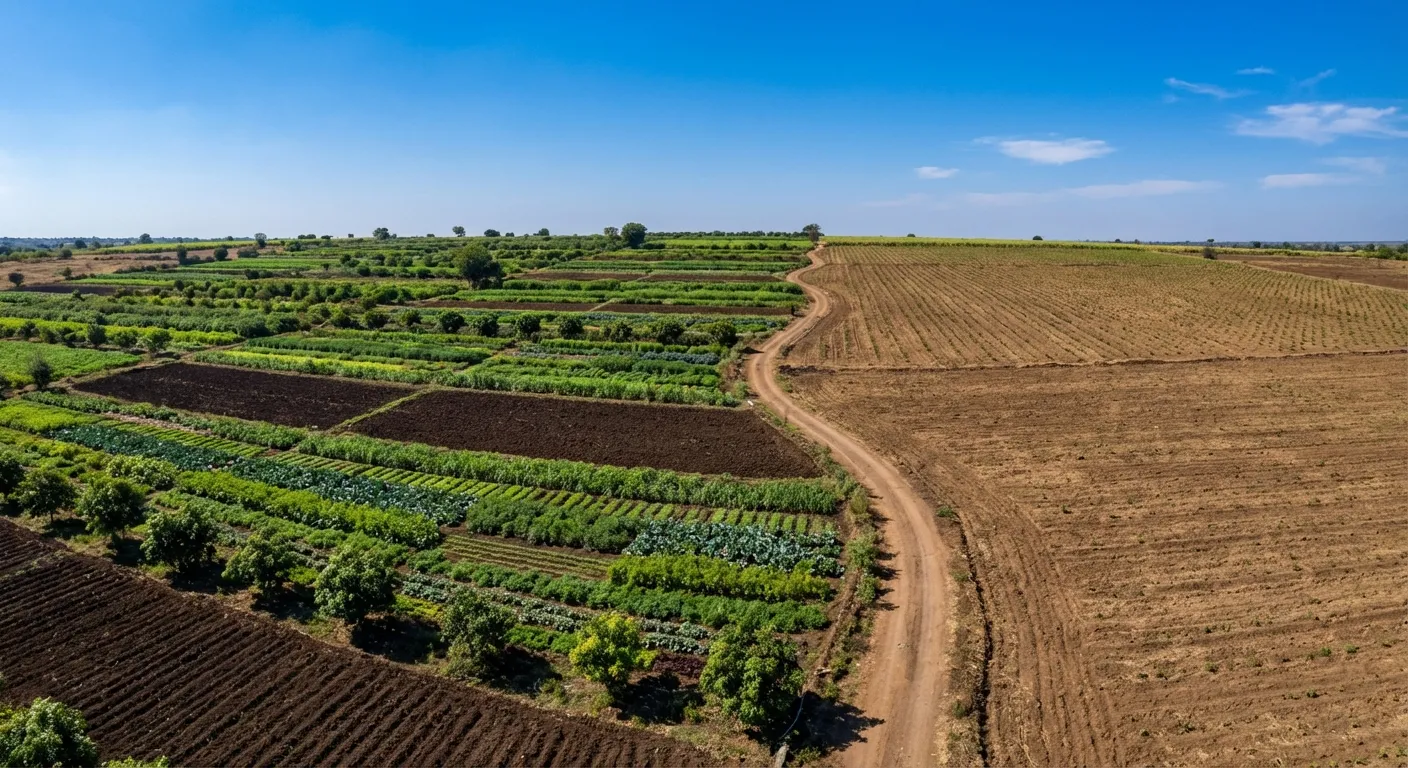
In 2026, the business case for Net Zero agriculture has strengthened considerably. Regulatory frameworks are tightening, with governments implementing stricter environmental reporting requirements. Consumer demand for sustainable products continues to rise, particularly in the textile and fashion industries where environmental consciousness drives purchasing decisions. Additionally, investors increasingly scrutinize ESG performance, making Net Zero commitments essential for accessing capital and maintaining competitive advantage.
The textile industry faces particular pressure due to its resource-intensive nature and complex global supply chains. Cotton production alone accounts for significant water consumption, pesticide use, and soil degradation. By partnering with specialized Net Zero agriculture consultants, textile manufacturers can transform their supply chains from environmental liabilities into regenerative assets that sequester carbon, improve soil health, and create economic opportunities for farming communities.
Regenerative agriculture serves as the foundation for achieving Net Zero agriculture goals. Through practices like cover cropping, reduced tillage, crop rotation, and integrated livestock management, regenerative farming enhances soil organic matter, which acts as a powerful carbon sink. Research demonstrates that regenerative practices can sequester between 0.5 to 2 tons of carbon per hectare annually, while simultaneously improving water retention, increasing biodiversity, and boosting crop yields.
Why Your Business Needs a Net Zero Agriculture Consulting Partner
The transition to Net Zero agriculture involves technical complexity that extends far beyond simply adopting new farming practices. Successful implementation requires deep expertise in soil science, carbon accounting, supply chain management, stakeholder engagement, and regulatory compliance. Without specialized guidance, businesses risk investing in ineffective strategies, missing critical opportunities for carbon credit generation, or failing to achieve measurable progress toward their climate goals.
Carbon sequestration measurement presents one of the most significant technical challenges. Accurately quantifying carbon stored in soil requires sophisticated sampling protocols, laboratory analysis, and ongoing monitoring systems. A qualified consulting partner brings validated methodologies and data integration capabilities that ensure your carbon claims withstand third-party verification and regulatory scrutiny. Learn more about the science behind carbon sequestration in agriculture and why proper measurement is essential.
Supply chain transformation represents another area where expert guidance proves invaluable. For textile manufacturers, achieving Net Zero agriculture requires coordinating with numerous stakeholders including cotton farmers, ginners, spinners, and weavers. A consulting partner with industry-specific experience can design collaborative frameworks that align incentives, share knowledge, and create value throughout the supply chain. This collaborative approach ensures that sustainability initiatives benefit all participants, from smallholder farmers to end consumers.
Regulatory compliance and ESG reporting requirements continue to evolve rapidly. The European Union's Corporate Sustainability Reporting Directive (CSRD), India's Business Responsibility and Sustainability Reporting (BRSR), and various voluntary frameworks like the Science Based Targets initiative (SBTi) all demand rigorous documentation and verification. A knowledgeable consulting partner helps navigate these requirements, ensuring your Net Zero agriculture initiatives meet current standards while positioning you for future regulatory changes.
Perhaps most importantly, the right consulting partner optimizes return on investment. While transitioning to regenerative practices requires upfront investment, the economic benefits including improved yields, reduced input costs, carbon credit revenue, and enhanced brand value can deliver substantial returns. Expert guidance helps you identify the most cost-effective pathways, avoid common pitfalls, and accelerate time to value.
Key Selection Criteria for Net Zero Agriculture Consultants
Selecting the right Net Zero agriculture consulting partner requires evaluating multiple dimensions of capability, experience, and alignment with your specific business needs. The following criteria provide a comprehensive framework for assessment.

Methodology and scientific rigor form the foundation of effective consulting. Look for partners who employ evidence-based approaches grounded in peer-reviewed research and validated by third-party organizations. The consultant should clearly articulate their carbon accounting methodology, soil health assessment protocols, and measurement systems. Transparency in methodology indicates credibility and reduces the risk of greenwashing accusations.
Industry-specific expertise matters significantly, particularly for textile manufacturers and fashion brands. A consultant with deep experience in textile supply chains understands the unique challenges of cotton production, fiber processing, and the integration of regenerative agriculture into fashion industry operations. They should demonstrate familiarity with industry standards like the Textile Exchange's Regenerative Agriculture Landscape Management (RALM) framework and have established relationships with textile industry stakeholders.
Track record and verifiable results provide concrete evidence of capability. Request case studies that demonstrate measurable outcomes including carbon sequestration rates, soil health improvements, yield increases, and economic benefits for farmers. The best consultants can provide references from clients in similar industries and at comparable scales. Be wary of partners who cannot substantiate their claims with data or who rely solely on theoretical projections.
Technology and data integration capabilities enable effective monitoring and reporting. Modern Net Zero agriculture initiatives require robust data systems for tracking soil health metrics, carbon sequestration, crop performance, and financial outcomes. Evaluate whether the consultant employs digital platforms for farmer engagement, remote sensing technologies for field monitoring, and data analytics tools for generating actionable insights. The ability to integrate with your existing ESG reporting systems streamlines compliance and reduces administrative burden.
Certification and compliance knowledge ensures your initiatives meet recognized standards. Depending on your goals, you may need to pursue organic certification, carbon credit verification under standards like Verra or Gold Standard, or compliance with specific industry frameworks. Your consulting partner should have expertise in navigating these certification processes and maintaining ongoing compliance.
Evaluating Methodology and Scientific Approach
The methodology employed by your Net Zero agriculture consulting partner fundamentally determines the credibility and effectiveness of your sustainability initiatives. Distinguishing between evidence-based approaches and theoretical frameworks is essential for achieving genuine environmental impact.
Evidence-based methodologies rely on field-tested practices, peer-reviewed research, and validated measurement protocols. When evaluating a potential partner, ask about the scientific foundation of their approach. Do they reference specific research studies? Have their methodologies been validated by academic institutions or independent research organizations? Can they demonstrate consistent results across multiple implementations? A consultant grounded in science will readily provide this information and explain how their approach adapts to different soil types, climate conditions, and crop systems.
Carbon sequestration measurement and verification represent critical technical capabilities. The consultant should employ standardized soil sampling protocols that account for spatial variability, seasonal changes, and measurement depth. Laboratory analysis should follow recognized standards, and baseline measurements must be established before intervention to accurately quantify carbon gains. Ask about their sampling frequency, laboratory partnerships, and quality control procedures. Understanding the complete framework for carbon sequestration helps you evaluate whether a consultant's methodology is comprehensive.
Soil health assessment extends beyond carbon content to include biological activity, nutrient availability, water infiltration, and soil structure. Comprehensive Net Zero agriculture programs measure multiple soil health indicators because carbon sequestration alone does not guarantee agricultural productivity or ecosystem resilience. Look for consultants who assess parameters like soil organic matter, microbial biomass, aggregate stability, and nutrient cycling. These holistic assessments provide a more complete picture of soil regeneration and long-term sustainability.
Data collection and monitoring systems should be both rigorous and practical. While scientific accuracy is essential, the monitoring approach must also be feasible for farmers to implement consistently. Evaluate whether the consultant has developed farmer-friendly data collection tools, mobile applications for field reporting, or partnerships with agricultural extension services. The best systems balance scientific rigor with on-the-ground practicality.
Third-party validation and transparency build credibility for your Net Zero agriculture claims. Ask whether the consultant's methodologies have been reviewed by independent experts, whether their carbon accounting has been verified by recognized certification bodies, and whether they publish their methodologies openly. Transparency indicates confidence in their approach and protects your organization from greenwashing risks.
Assessing Industry Expertise and Training Capabilities
For textile manufacturers and agricultural businesses pursuing Net Zero agriculture, industry-specific expertise and robust training capabilities distinguish exceptional consulting partners from generalists. The unique challenges of integrating regenerative practices into textile supply chains require specialized knowledge and proven stakeholder engagement models.
Textile industry integration experience is particularly valuable for fashion brands and manufacturers. The consultant should understand the complete textile value chain from cotton cultivation through fiber processing, fabric production, and garment manufacturing. They should be familiar with industry initiatives like the Sustainable Apparel Coalition, Fashion for Good, and the Textile Exchange. More importantly, they should have practical experience implementing Net Zero agriculture programs that connect cotton farmers with textile manufacturers in mutually beneficial partnerships.
Farmer training and capacity building programs form the operational core of successful regenerative agriculture transitions. Evaluate the consultant's approach to farmer education. Do they offer hands-on field training or only classroom instruction? How do they adapt training content for farmers with varying literacy levels and technical backgrounds? What is their track record for farmer adoption and retention? The most effective programs employ collaborative learning models that respect farmers' existing knowledge while introducing new regenerative practices.
Stakeholder engagement strategies determine whether your Net Zero agriculture initiative creates lasting change or remains a superficial intervention. The consultant should demonstrate capability in engaging diverse stakeholders including smallholder farmers, agricultural cooperatives, input suppliers, financial institutions, and government agencies. Ask about their approach to building trust, facilitating dialogue, and aligning incentives across the value chain. Successful engagement creates shared ownership of sustainability goals rather than imposing top-down mandates.
Supply chain collaboration models should create economic value for all participants. For textile companies, this means ensuring that farmers receive fair compensation for adopting regenerative practices, that ginners and spinners can access premium regenerative cotton, and that brands can credibly communicate their sustainability achievements to consumers. Explore how the consultant structures these relationships, whether through premium pricing, carbon credit sharing, technical support, or market access guarantees. Understanding supply chain transformation strategies helps you evaluate different collaboration models.
Cultural and regional knowledge proves especially important for Net Zero agriculture initiatives in India and other diverse agricultural contexts. Farming practices, land tenure systems, water management traditions, and community structures vary significantly across regions. A consultant with deep local knowledge can design programs that respect cultural contexts, work within existing agricultural systems, and build on traditional ecological knowledge. This cultural competence increases farmer acceptance and program effectiveness.
Understanding Service Models and Implementation Support
The service model offered by your Net Zero agriculture consulting partner significantly impacts implementation success, resource requirements, and long-term sustainability of your regenerative agriculture program. Understanding the spectrum of service options helps you select an approach aligned with your organizational capabilities and strategic objectives.
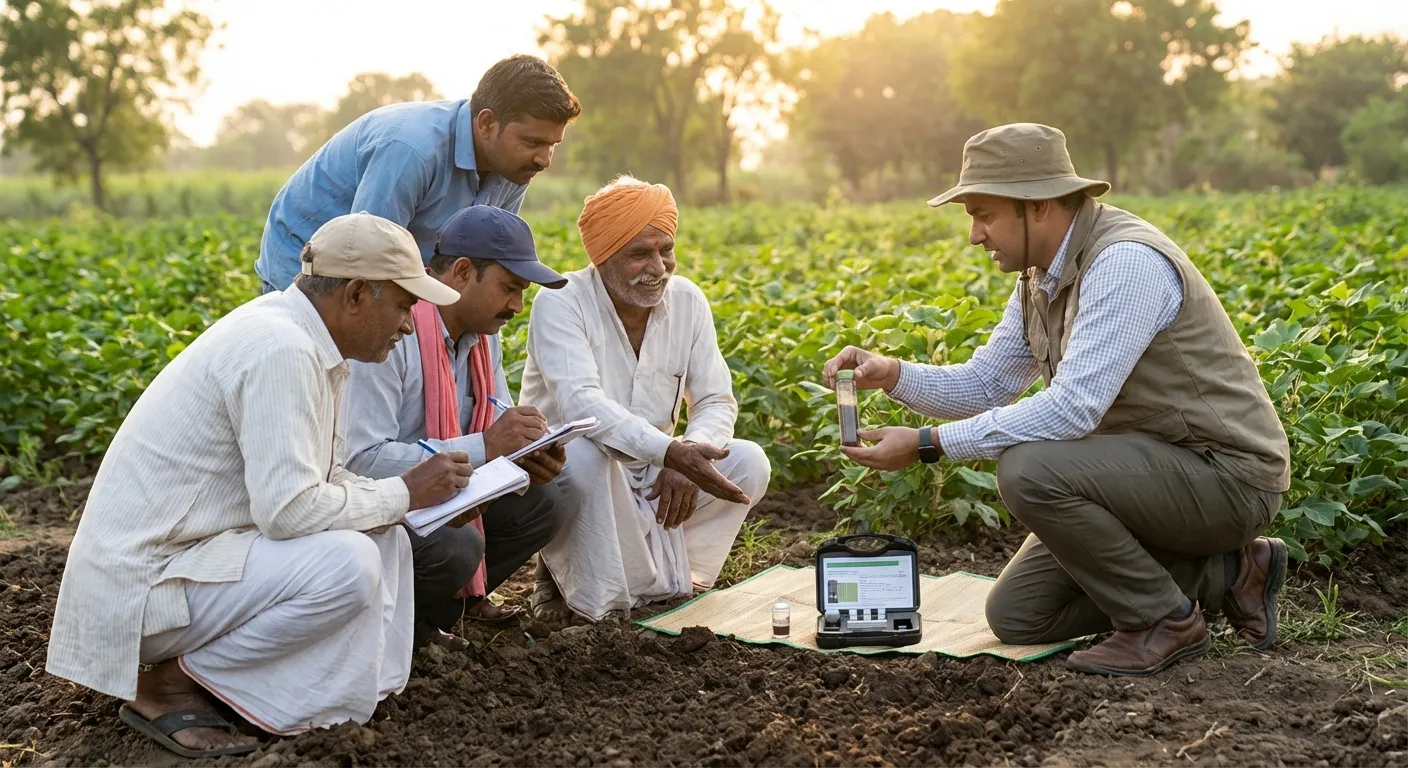
Consulting-only services provide strategic guidance, methodology development, and technical expertise while leaving implementation to your internal teams or local partners. This model works well for organizations with strong agricultural operations teams and established farmer networks. The consultant designs the program framework, provides training for your staff, and offers ongoing advisory support, but day-to-day implementation remains your responsibility. This approach typically requires lower consulting fees but demands significant internal capacity.
Full implementation services encompass everything from program design through farmer recruitment, training delivery, monitoring, and reporting. The consultant manages all operational aspects, providing turnkey solutions that minimize demands on your internal resources. This model suits organizations entering Net Zero agriculture for the first time, those operating in unfamiliar geographies, or companies preferring to focus on their core business while outsourcing sustainability implementation. While more expensive, full implementation accelerates time to results and reduces execution risk.
Collaborative platform approaches represent an increasingly popular middle ground. In this model, the consultant establishes a multi-stakeholder platform that brings together farmers, businesses, research institutions, and other partners to co-create solutions. The consultant facilitates collaboration, provides technical expertise, and manages knowledge sharing, while participants contribute their specific capabilities and resources. This approach fosters innovation, distributes costs, and builds collective ownership of Net Zero agriculture goals.
Ongoing support and monitoring distinguish sustainable programs from one-time interventions. Regenerative agriculture transitions typically require three to five years before achieving full benefits, making long-term partnership essential. Evaluate the consultant's approach to ongoing support. Do they offer regular field visits, remote monitoring, annual soil testing, and continuous farmer training? How do they adapt the program based on results and changing conditions? Sustained engagement ensures that initial investments yield lasting environmental and economic returns.
Scalability of solutions matters for organizations with ambitious Net Zero agriculture targets. If you plan to expand from a pilot program to thousands of hectares, the consultant's systems and processes must scale efficiently. Ask about their experience managing large-scale programs, their technology infrastructure for scaling, and their capacity to recruit and train additional field staff. Scalability challenges often emerge around data management, quality control, and maintaining program fidelity as operations expand.
Timeline expectations should be realistic and clearly communicated. Achieving Net Zero agriculture is not an overnight transformation. Soil carbon sequestration builds gradually over years, farmer behavior change requires time and trust, and supply chain integration involves coordinating multiple stakeholders. A credible consultant provides honest timelines that account for these realities rather than promising unrealistic quick wins. Typical programs show measurable soil health improvements within 12 to 18 months, significant carbon sequestration within three to five years, and full Net Zero achievement within five to ten years depending on baseline conditions and intervention intensity.
Financial Considerations: ROI and Carbon Credits
Understanding the financial dimensions of Net Zero agriculture partnerships enables informed investment decisions and realistic ROI expectations. While regenerative agriculture delivers substantial environmental benefits, the economic case must also be compelling for long-term sustainability.

Investment requirements vary significantly based on program scope, geography, and service model. Typical costs include consulting fees, farmer training programs, soil testing and monitoring, technology platforms, and potentially financial incentives for early-adopting farmers. Request detailed cost breakdowns from potential partners, including both upfront investments and ongoing operational expenses. Be cautious of consultants who cannot provide transparent pricing or who significantly underbid competitors, as this may indicate hidden costs or inadequate service delivery.
Carbon credit generation and monetization represent important revenue streams that can offset program costs. Regenerative agriculture practices sequester carbon in soil, creating carbon credits that can be sold in voluntary or compliance markets. However, carbon credit economics are complex and evolving. Ask potential consultants about their experience with carbon credit certification, their relationships with carbon credit buyers, and realistic price expectations. In 2026, agricultural carbon credits typically trade between $15 to $50 per ton depending on quality, verification standards, and buyer demand. Understanding how carbon credits work in regenerative agriculture helps you evaluate revenue potential.
Yield improvement and economic benefits for farmers create the foundation for program sustainability. Regenerative practices typically improve crop yields by 5% to 25% over three to five years through enhanced soil health, better water retention, and reduced pest pressure. These yield gains, combined with reduced input costs from decreased fertilizer and pesticide use, improve farmer profitability and ensure continued participation. Your consultant should provide data on expected yield trajectories and economic benefits based on similar implementations. Learn more about yield improvements from regenerative agriculture.
Long-term financial sustainability requires that Net Zero agriculture programs become self-sustaining rather than dependent on continuous external funding. Evaluate how the consultant structures economic incentives to create lasting behavior change. Do farmers see clear financial benefits that motivate continued regenerative practices? Are there market mechanisms like premium pricing for regenerative cotton that provide ongoing revenue? Does the program build farmer capacity to access carbon credit markets independently? Sustainable programs create economic models that persist beyond initial consulting engagements.
Risk mitigation and insurance considerations deserve attention, particularly in regions vulnerable to climate variability. Regenerative practices generally improve farm resilience to drought, flooding, and extreme weather events through enhanced soil water retention and ecosystem diversity. Some consultants partner with agricultural insurance providers to offer reduced premiums for regenerative farms or to develop innovative insurance products. These risk management benefits add to the overall value proposition of Net Zero agriculture initiatives.
Questions to Ask Potential Net Zero Agriculture Partners
Conducting thorough due diligence requires asking pointed questions that reveal the depth of a consultant's expertise, the credibility of their approach, and their alignment with your specific needs. The following questions provide a framework for evaluating potential Net Zero agriculture consulting partners.
Methodology and measurement questions:
- What specific carbon accounting methodology do you employ, and has it been validated by third-party organizations?
- How do you measure soil carbon sequestration, and what is your sampling protocol?
- Which soil health indicators do you monitor beyond carbon content?
- How do you establish baselines and measure progress over time?
- What technology platforms do you use for data collection and monitoring?
- Can you provide access to your measurement data and reporting dashboards?
Experience and track record inquiries:
- How many Net Zero agriculture programs have you implemented, and at what scale?
- Do you have specific experience in the textile industry or with cotton production?
- Can you provide case studies with quantified results including carbon sequestration rates, yield improvements, and economic outcomes?
- May we contact references from similar clients in our industry?
- What is your farmer retention rate across programs, and what drives farmer satisfaction?
- Have you worked in our specific geographic region, and do you understand local agricultural contexts?
Implementation timeline and support questions:
- What is the realistic timeline for achieving measurable soil health improvements and carbon sequestration?
- How long does it typically take to reach Net Zero across agricultural operations?
- What level of ongoing support do you provide after initial implementation?
- How do you handle challenges or underperformance during implementation?
- What is your approach to scaling from pilot programs to full implementation?
- Do you offer training for our internal teams to build long-term capability?
Financial and ROI-related questions:
- What is your fee structure, and what services are included versus additional costs?
- What ROI can we realistically expect, and over what timeframe?
- How do you help clients access carbon credit markets and maximize carbon credit revenue?
- What economic benefits can farmers expect, and how quickly do these materialize?
- Are there financing options or partnerships that can reduce upfront investment requirements?
- How do you structure incentives to ensure program sustainability beyond initial funding?
Compliance and reporting questions:
- Which carbon credit standards and certifications do you work with (Verra, Gold Standard, etc.)?
- How do you support ESG reporting requirements like BRSR, CSRD, or SBTi?
- Do you provide documentation suitable for third-party verification and audits?
- How do you ensure compliance with evolving regulatory requirements?
- What is your approach to preventing and addressing greenwashing risks?
Red Flags to Watch For When Selecting a Consultant
Identifying warning signs during the selection process helps you avoid partnerships that waste resources, damage credibility, or fail to deliver promised results. The following red flags warrant serious concern when evaluating Net Zero agriculture consulting partners.
Unrealistic promises and timelines indicate either inexperience or dishonesty. Be skeptical of consultants who promise rapid carbon neutrality, guaranteed carbon credit revenues, or dramatic yield improvements within unrealistic timeframes. Soil carbon sequestration is a gradual biological process that cannot be rushed. Similarly, farmer behavior change and supply chain transformation require time to build trust and demonstrate value. Credible consultants provide realistic timelines grounded in scientific understanding and practical experience.
Lack of transparency in methodology raises serious concerns about credibility and effectiveness. If a consultant cannot or will not clearly explain their carbon accounting approach, soil sampling protocols, or measurement systems, this suggests either proprietary methods that cannot withstand scrutiny or insufficient technical rigor. Legitimate Net Zero agriculture programs employ transparent, scientifically validated methodologies that can be independently verified.
Limited industry-specific experience may result in programs that fail to address your unique challenges. A consultant with only general agricultural experience may not understand textile supply chain dynamics, cotton production economics, or fashion industry sustainability standards. While cross-industry experience can bring valuable perspectives, ensure the consultant has relevant expertise in your specific sector and can demonstrate successful implementations in similar contexts.
Poor farmer engagement models undermine program sustainability and effectiveness. Approaches that treat farmers as passive recipients of knowledge rather than active partners, that fail to provide clear economic benefits, or that impose practices without considering local contexts typically achieve low adoption rates and high dropout rates. Evaluate whether the consultant demonstrates respect for farmer knowledge, employs participatory methods, and creates genuine value for farming communities.
Absence of data-driven approaches makes it impossible to verify results or demonstrate progress toward Net Zero agriculture goals. Consultants who rely primarily on anecdotal evidence, who cannot provide access to monitoring data, or who lack robust data management systems cannot support credible ESG reporting or carbon credit certification. Modern regenerative agriculture programs require sophisticated data infrastructure to track soil health, carbon sequestration, and program outcomes.
Additional warning signs include resistance to providing references, inability to explain how they differentiate from competitors, lack of established partnerships with research institutions or certification bodies, and unwillingness to commit to performance metrics or accountability mechanisms. Trust your instincts—if something feels too good to be true or if the consultant cannot substantiate their claims, continue your search for a more credible partner.
Making Your Final Decision: A Framework
After evaluating multiple potential Net Zero agriculture consulting partners, a structured decision framework helps you synthesize information, compare options objectively, and select the partner best aligned with your strategic objectives and organizational capabilities.
A scoring matrix provides a systematic approach to evaluation. Create a spreadsheet listing your key selection criteria—methodology rigor, industry expertise, track record, technology capabilities, training approach, financial model, and cultural fit. Assign weights to each criterion based on your priorities. For example, a textile manufacturer might weight industry expertise and supply chain collaboration more heavily, while an agricultural business might prioritize farmer training capabilities and local knowledge. Score each potential partner on each criterion using a consistent scale (such as 1 to 5), then calculate weighted totals to identify the highest-scoring option.
Pilot program considerations allow you to test the partnership before committing to full-scale implementation. Many organizations begin with a pilot covering a limited geographic area or a subset of their supply chain. This approach reduces risk, provides proof of concept, and allows you to evaluate the consultant's performance before expanding. When structuring a pilot, establish clear success metrics, define the timeline for evaluation, and specify conditions for scaling to full implementation. A successful pilot should demonstrate measurable soil health improvements, farmer satisfaction, effective data systems, and alignment with your organizational culture.
Contract negotiation tips help protect your interests and ensure accountability. Key contract elements include clearly defined deliverables with measurable outcomes, performance milestones tied to payment schedules, intellectual property provisions specifying data ownership, termination clauses that allow exit if performance is inadequate, and liability provisions addressing potential risks. Consider including performance incentives that reward the consultant for exceeding targets such as carbon sequestration rates, farmer adoption levels, or cost efficiency. Engage legal counsel familiar with agricultural consulting agreements to review contracts before signing.
Success metrics and KPIs should be established upfront to enable objective performance evaluation. Environmental metrics might include tons of carbon sequestered, percentage improvement in soil organic matter, water infiltration rates, and biodiversity indicators. Economic metrics could track farmer income changes, yield improvements, carbon credit revenue, and program cost-effectiveness. Operational metrics might measure farmer participation rates, training completion, data quality, and reporting timeliness. Establish baseline measurements before program launch and agree on reporting frequency and formats.
Next steps after partner selection set the foundation for successful implementation. Begin with a detailed project kickoff that aligns all stakeholders on objectives, timelines, roles, and responsibilities. Conduct baseline assessments of soil health and current farming practices to establish measurement benchmarks. Develop a detailed implementation plan with specific milestones and resource requirements. Establish governance structures including regular review meetings, escalation procedures, and decision-making protocols. Invest in internal capacity building so your team can effectively collaborate with the consultant and eventually sustain the program independently.
Remember that selecting a Net Zero agriculture consulting partner is not just a procurement decision—it is a strategic partnership that will shape your environmental impact, supply chain relationships, and sustainability reputation for years to come. Take the time to conduct thorough due diligence, involve key stakeholders in the decision process, and choose a partner who shares your values and commitment to genuine environmental and social impact.
Taking the Next Step Toward Net Zero Agriculture
Achieving Net Zero agriculture represents one of the most impactful contributions your organization can make to climate action while simultaneously strengthening your supply chain, improving farmer livelihoods, and enhancing your competitive position. The journey requires commitment, investment, and the right partnership—but the environmental, economic, and social returns make it one of the most valuable sustainability initiatives you can undertake.
As you move forward with selecting your Net Zero agriculture consulting partner, remember that the most successful programs combine scientific rigor with practical implementation, respect for farmer knowledge with technical innovation, and short-term results with long-term sustainability. Look for partners who demonstrate these qualities through their methodology, track record, and approach to collaboration.
The textile and agricultural industries stand at a critical juncture. The choices we make today about how we produce cotton, manage soil, and structure supply chains will determine whether we accelerate climate change or become part of the solution. By choosing the right Net Zero agriculture consulting partner and committing to genuine regenerative transformation, your organization can lead the way toward a more sustainable, resilient, and equitable agricultural future.
Beetle Regen Solutions specializes in helping textile manufacturers, agricultural businesses, and corporate sustainability teams achieve their Net Zero agriculture goals through evidence-based regenerative agriculture consulting, comprehensive farmer training programs, and collaborative supply chain transformation. Our approach combines scientific rigor with practical implementation, creating measurable environmental impact while delivering economic value throughout the supply chain. If you're ready to explore how regenerative agriculture can help your organization achieve Net Zero targets while strengthening your supply chain and supporting farming communities, we invite you to contact us to discuss your specific needs and objectives.