Supply Chain Transformation Through Regenerative Agriculture Consulting
The global agricultural supply chain faces an unprecedented crisis. According to the UN FAO, 33% of the world's soils are already degraded, threatening food security, environmental stability, and the economic viability of industries that depend on agricultural resources. For textile manufacturers, agricultural businesses, and corporate sustainability teams, this degradation represents not just an environmental challenge but a fundamental supply chain risk that demands immediate action.
Regenerative agriculture consulting has emerged as a transformative solution for businesses seeking to rebuild resilient, sustainable supply chains while achieving carbon neutral and Net Zero goals. This comprehensive buyer's guide will help you navigate the selection process for regenerative agriculture consulting services, evaluate key criteria, and understand how the right partnership can transform your supply chain from a source of environmental impact into a driver of positive change.
Understanding the Supply Chain Crisis in Modern Agriculture
The conventional agricultural supply chain model has created a cascade of environmental and economic challenges that now threaten business continuity across multiple industries. Resource-intensive farming practices have depleted soil health, reduced biodiversity, and contributed significantly to climate change through greenhouse gas emissions and carbon release from degraded soils.
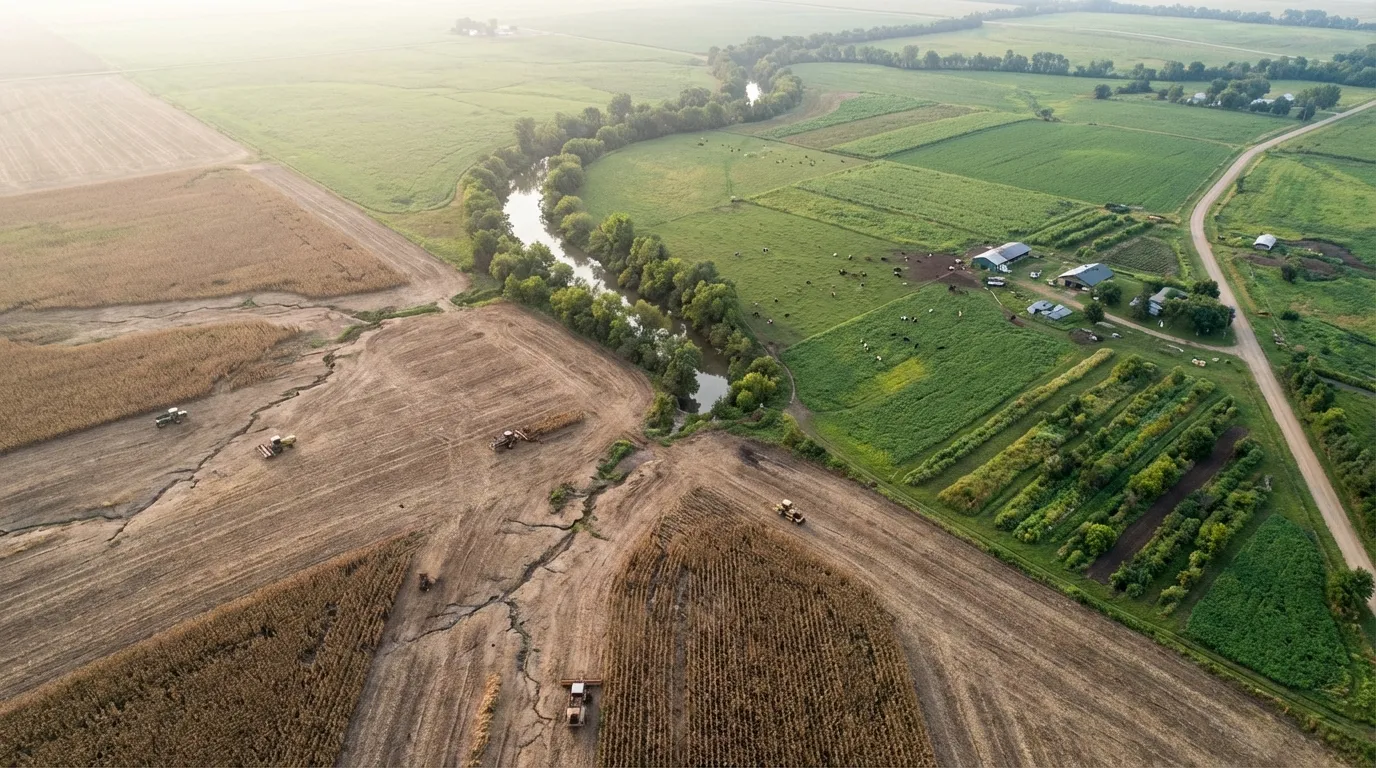
For the textile and fashion industry, this crisis is particularly acute. Cotton production, a cornerstone of textile supply chains, relies heavily on healthy soils and stable growing conditions. As soil degradation accelerates, crop yields decline, input costs rise, and supply chain volatility increases. The fast-paced nature of the textile industry compounds these challenges, creating pressure for rapid production that often conflicts with environmental sustainability.
Agricultural businesses face similar pressures. Conventional farming methods that prioritize short-term yields over long-term soil health have created a vicious cycle of declining productivity, increased chemical dependency, and rising operational costs. Farmers find themselves trapped in a system that degrades the very resource their livelihoods depend upon.
Corporate sustainability teams across industries now recognize that addressing supply chain sustainability requires going beyond surface-level interventions. Achieving meaningful carbon neutral and Net Zero goals demands fundamental transformation of agricultural practices within supply chains. This is where regenerative agriculture consulting becomes essential.
In 2026, businesses are increasingly seeking partners who can help them transition from extractive supply chain models to regenerative ones that restore soil health, sequester carbon, and create economic value throughout the entire supply chain from farmers to manufacturers, retailers, and consumers.
What Is Regenerative Agriculture Consulting?
Regenerative agriculture consulting goes far beyond traditional agricultural advisory services. While conventional consultants may focus on maximizing yields through chemical inputs and intensive farming methods, regenerative agriculture consultants help businesses and farmers implement nature-based processes that actively improve soil health, increase biodiversity, and sequester carbon while maintaining or improving productivity.
Core principles of regenerative agriculture consulting include:
- Soil health restoration: Implementing practices that rebuild soil organic matter, improve soil structure, and enhance microbial diversity
- Carbon sequestration: Utilizing farming methods that capture atmospheric carbon and store it in soils, contributing to climate change mitigation
- Biodiversity enhancement: Creating agricultural systems that support diverse plant and animal species, improving ecosystem resilience
- Water cycle improvement: Restoring natural water infiltration and retention in soils, reducing irrigation needs and preventing erosion
- Farmer empowerment: Building capacity through training programs that give farmers knowledge, skills, and economic opportunities
The consulting process typically involves comprehensive assessment of current practices, collaborative development of regenerative strategies tailored to specific crops and regions, implementation support through farmer training programs, and ongoing monitoring using data-led approaches to measure environmental and economic outcomes.
Unlike transactional consulting relationships, effective regenerative agriculture consulting requires long-term partnership and collaborative knowledge building. Consultants work alongside farmers, supply chain stakeholders, and business teams to create shared understanding and collective commitment to transformation.
Why Your Supply Chain Needs Regenerative Agriculture Consulting
The business case for integrating regenerative agriculture consulting into your supply chain strategy extends across environmental, economic, and strategic dimensions. Understanding these benefits is essential for making informed decisions about consulting partnerships.
Environmental Benefits and Climate Goals
Regenerative agriculture practices offer one of the most effective nature-based solutions for carbon sequestration. Healthy soils can store significant amounts of carbon, helping businesses achieve carbon neutral and Net Zero goals through their supply chains rather than relying solely on offsets or technological solutions.
For companies committed to ESG reporting and environmental stewardship, regenerative agriculture consulting provides measurable, verifiable improvements in environmental performance. Soil health improvements, reduced chemical inputs, enhanced biodiversity, and water conservation all contribute to stronger sustainability credentials and stakeholder engagement.
Economic Advantages and Risk Mitigation
While environmental benefits often drive initial interest in regenerative agriculture, the economic advantages make it a compelling business strategy. Improved soil health typically leads to increased crop yields over time, even as input costs decline. Farmers who transition to regenerative practices often see improved profitability within three to five years.
For businesses, regenerative agriculture consulting helps mitigate supply chain risks associated with soil degradation, climate volatility, and resource scarcity. Building resilient agricultural supply chains protects against disruptions and ensures long-term access to quality raw materials.
Carbon credits represent an additional economic opportunity. Well-designed regenerative agriculture programs can generate verified carbon credits that provide revenue streams for farmers and help businesses meet climate commitments. Consulting partners with expertise in carbon measurement and verification can unlock this value.
Brand Reputation and Stakeholder Expectations
Consumer awareness of environmental issues continues to grow, particularly in the textile and fashion industry. Brands that can demonstrate genuine supply chain transformation through regenerative agriculture gain competitive advantages in markets where sustainability increasingly influences purchasing decisions.
Beyond consumers, investors, regulators, and employees all expect meaningful action on climate and environmental issues. Regenerative agriculture consulting provides the expertise needed to move from aspirational goals to measurable impact, strengthening relationships with all stakeholder groups.
Key Selection Criteria for Regenerative Agriculture Consultants
Choosing the right regenerative agriculture consulting partner is critical to achieving your supply chain transformation goals. The consulting landscape includes diverse providers with varying expertise, methodologies, and track records. Evaluating potential partners against clear criteria ensures you select a consultant aligned with your specific needs and objectives.
Industry-Specific Expertise
Not all regenerative agriculture consultants possess equal expertise across different industries and crops. For textile manufacturers, working with consultants who understand the specific requirements of cotton production, fiber quality standards, and textile supply chain dynamics is essential. Generic agricultural consulting may miss critical nuances that affect your business.
Similarly, agricultural businesses should seek consultants with deep knowledge of their specific crops, regional growing conditions, and market requirements. A consultant experienced in regenerative grain production may not have the expertise needed for specialty crops or horticultural operations.
Ask potential consulting partners about their industry-specific experience:
- What percentage of their work focuses on your industry or crop type?
- Can they provide case studies from similar businesses or supply chains?
- Do they understand the unique challenges and requirements of your sector?
- Have they worked in your geographic region or similar climatic conditions?
Training Methodologies and Farmer Capacity Building
The success of regenerative agriculture transformation depends heavily on farmer adoption and implementation. Consultants who prioritize farmer training and capacity building create more sustainable, long-lasting change than those who simply provide recommendations without supporting implementation.
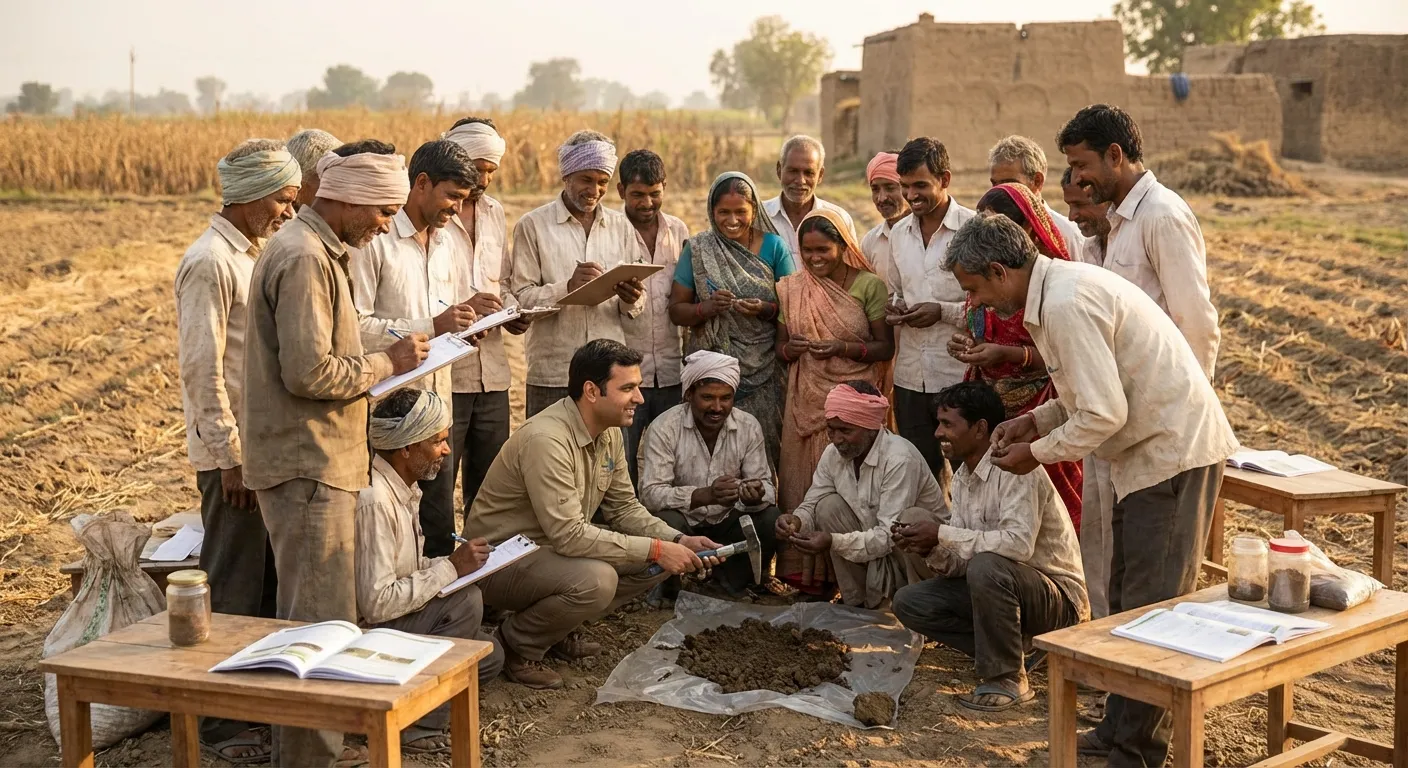
Evaluate how potential consulting partners approach farmer engagement. Do they offer collaborative knowledge-building programs that respect farmer expertise while introducing new practices? Do they provide hands-on training, ongoing support, and resources that enable farmers to succeed?
The most effective consulting models recognize that farmers are partners in transformation, not simply recipients of instructions. Look for consultants who emphasize collaborative approaches, create platforms for farmer-to-farmer learning, and build local capacity that continues beyond the consulting engagement.
Carbon Measurement and Verification Capabilities
If carbon sequestration and carbon credits are important to your supply chain strategy, your consulting partner must have robust measurement and verification capabilities. This requires expertise in soil carbon testing, baseline establishment, monitoring protocols, and verification standards that meet market requirements.
Ask potential consultants about their carbon measurement methodologies. Do they use evidence-based, data-led approaches? Can they provide third-party verification? Do they have relationships with carbon credit registries and buyers? Understanding these capabilities upfront prevents disappointment later when you seek to monetize or report on carbon outcomes.
For businesses pursuing Net Zero goals, consultants should be able to integrate carbon sequestration data into your broader climate strategy and ESG reporting frameworks. This requires understanding both agricultural science and corporate sustainability reporting standards.
Data Integration and Evidence-Based Approaches
Effective regenerative agriculture consulting relies on data to guide decisions, measure progress, and demonstrate results. Consultants should employ evidence-based methodologies that combine scientific research, field testing, and continuous monitoring to optimize practices for your specific context.
Evaluate how potential partners collect, analyze, and report data. Do they use modern tools and technologies for soil testing, yield monitoring, and environmental measurement? Can they integrate data into your existing systems and reporting processes? Do they provide clear, actionable insights based on data analysis?
The best consulting partners combine scientific rigor with practical experience, using data to inform recommendations while remaining flexible enough to adapt to real-world conditions and farmer feedback.
Track Record and Demonstrated Results
While regenerative agriculture consulting has grown rapidly in recent years, not all providers have proven track records of success. Request case studies, references, and measurable outcomes from previous engagements. Look for evidence of actual soil health improvements, yield increases, carbon sequestration, and farmer satisfaction.
Be cautious of consultants who make unrealistic promises or cannot provide concrete examples of their work. Regenerative agriculture transformation takes time, and honest consultants will set realistic expectations about timelines and outcomes while demonstrating their ability to deliver results.
Essential Services to Look for in a Consulting Partner
Comprehensive regenerative agriculture consulting encompasses multiple service areas that work together to transform supply chains. Understanding which services are essential for your needs helps you evaluate potential partners and structure effective engagements.
Farmer Training and Capacity Building Programs
At the heart of successful regenerative agriculture transformation are well-designed farmer training programs. These should go beyond one-time workshops to provide ongoing education, hands-on learning opportunities, and peer-to-peer knowledge sharing that builds genuine capacity.
Look for consulting partners who offer structured training curricula covering soil health principles, regenerative practices specific to your crops, carbon sequestration techniques, and business management skills that help farmers succeed economically. Training should be culturally appropriate, delivered in local languages, and adapted to farmer education levels and learning preferences.
Carbon Sequestration Measurement and Monitoring
For businesses pursuing carbon neutral goals or carbon credit opportunities, robust carbon sequestration measurement is essential. This service should include baseline soil carbon assessment, regular monitoring using standardized protocols, data analysis to quantify carbon storage, and verification support for carbon credit programs.
Consultants should explain their measurement methodologies clearly and ensure they align with recognized standards. The carbon sequestration framework your consultant uses should be scientifically sound and commercially viable.
Soil Health Assessment and Improvement Strategies
Comprehensive soil health assessment forms the foundation for regenerative agriculture transformation. Consulting partners should provide detailed soil testing that goes beyond basic nutrient analysis to include biological indicators, soil structure evaluation, and water infiltration capacity.
Based on assessment results, consultants should develop tailored improvement strategies that address specific soil health challenges. These strategies might include cover cropping, reduced tillage, compost application, crop rotation, and other practices designed to rebuild soil organic matter and microbial diversity.
Supply Chain Mapping and Stakeholder Engagement
Transforming agricultural supply chains requires understanding and engaging all stakeholders from farmers to processors, manufacturers, retailers, and consumers. Effective consulting partners help map your supply chain, identify key stakeholders, and develop engagement strategies that build support for regenerative agriculture initiatives.
This service is particularly important for textile and fashion brands working with complex, multi-tiered supply chains. Consultants should facilitate communication, align incentives, and create collaborative platforms that enable supply chain-wide transformation.
Carbon Credit Program Development and Management
If carbon credits are part of your strategy, consulting partners should provide end-to-end support for program development and management. This includes designing carbon credit programs that work for your supply chain, supporting farmers through the enrollment and verification process, managing relationships with carbon registries and buyers, and ensuring equitable distribution of carbon credit revenues.
The best consulting partners create carbon credit programs that provide meaningful income to farmers while delivering verified carbon sequestration that supports your climate goals.
Organic Certification and Circular Economy Integration
Many regenerative agriculture practices align with organic certification standards, and some businesses may want to pursue organic certification as part of their supply chain transformation. Consulting partners with expertise in organic certification can guide farmers through the transition process and certification requirements.
Additionally, consultants should understand how regenerative agriculture fits into broader circular economy strategies. For textile businesses, this might include developing closed-loop systems, utilizing agricultural byproducts, or creating circular textile innovation that minimizes waste throughout the supply chain.
Evaluating Consulting Approaches: Collaborative vs. Traditional Models
The consulting approach your partner employs significantly impacts the success and sustainability of your regenerative agriculture transformation. Understanding the differences between collaborative and traditional consulting models helps you select the approach that best fits your goals and values.
The Collaborative Knowledge-Building Model
Collaborative consulting models emphasize partnership, shared learning, and collective problem-solving. Rather than positioning the consultant as the sole expert who provides solutions, collaborative approaches recognize that farmers, businesses, and consultants each bring valuable knowledge and perspectives to the transformation process.
In collaborative models, consultants facilitate knowledge exchange, create platforms for stakeholder dialogue, and build capacity that enables ongoing learning and adaptation. This approach tends to generate stronger farmer buy-in, more sustainable practice adoption, and better long-term outcomes because stakeholders feel ownership of the transformation process.
Collaborative consulting typically includes:
- Multi-stakeholder workshops and learning events
- Farmer-to-farmer knowledge sharing networks
- Participatory research and on-farm trials
- Ongoing dialogue and feedback mechanisms
- Shared decision-making about practices and priorities
For businesses committed to stakeholder engagement and long-term supply chain relationships, collaborative models align well with values of partnership and mutual benefit. They tend to create stronger, more resilient supply chains because they build genuine capacity and commitment among all participants.
Traditional Expert-Driven Consulting
Traditional consulting models position the consultant as the expert who assesses situations, develops recommendations, and provides implementation guidance. While this approach can be efficient for specific technical challenges, it may not build the same level of local capacity or stakeholder ownership as collaborative models.
Traditional consulting can be appropriate for narrowly defined projects or when specific technical expertise is needed quickly. However, for comprehensive supply chain transformation, the limitations of expert-driven approaches become apparent. Without building farmer capacity and stakeholder engagement, recommendations may not be implemented effectively or sustained over time.
Choosing the Right Approach for Your Supply Chain
Consider your goals, timeline, and values when evaluating consulting approaches. If you seek quick technical solutions to specific problems, traditional consulting may suffice. If you aim for comprehensive supply chain transformation that creates lasting change and builds resilient relationships, collaborative models offer significant advantages.
Many successful consulting engagements combine elements of both approaches, using expert knowledge to inform collaborative processes that build shared understanding and commitment. The key is ensuring your consulting partner's approach aligns with your objectives and creates the outcomes you seek.
Industry-Specific Considerations for Supply Chain Transformation
Different industries and organizations have unique requirements when selecting regenerative agriculture consulting partners. Understanding these industry-specific considerations ensures you choose a consultant who can address your particular challenges and opportunities.

Textile and Fashion Industry Requirements
Textile manufacturers and fashion brands face distinct challenges in supply chain transformation. Cotton production, a primary raw material for textiles, is resource-intensive and often relies on degraded soils and heavy chemical inputs. Transforming textile supply chains requires consultants who understand fiber quality requirements, production volumes, and the fast-paced nature of fashion cycles.
For textile businesses, key consulting capabilities include expertise in regenerative cotton production, understanding of textile industry sustainability standards, ability to work with complex multi-tier supply chains, and knowledge of circular textile innovation and environmentally conscious alternatives.
Consultants should also understand the business pressures textile companies face, including cost constraints, quality requirements, and consumer expectations. The most effective partners help textile businesses achieve sustainability goals while maintaining competitiveness and profitability.
Agricultural Business and Commercial Farming Needs
Commercial agricultural businesses and large-scale farming operations require consultants who can work at scale while addressing the economic realities of agricultural production. These businesses need clear return on investment analysis, practical implementation strategies that work with existing equipment and infrastructure, and risk management approaches that protect profitability during transition periods.
Consulting partners for agricultural businesses should provide detailed financial modeling that compares conventional and regenerative approaches, phased implementation plans that minimize disruption, and access to markets and buyers who value regeneratively produced crops. Understanding the ROI comparison between regenerative and conventional farming is essential for making informed decisions.
Corporate Sustainability Team Priorities
Corporate sustainability teams across industries seek consulting partners who can help achieve carbon neutral and Net Zero goals through supply chain transformation. These teams need consultants who understand corporate sustainability reporting frameworks, can integrate regenerative agriculture into broader ESG strategies, and provide data and verification that meet investor and stakeholder expectations.
For corporate sustainability teams, consulting partners should offer expertise in carbon accounting and reporting, alignment with science-based targets and climate commitments, stakeholder engagement strategies that demonstrate genuine impact, and communication support that helps tell the sustainability story effectively.
Policy and Advocacy Organization Considerations
Climate think tanks, policy makers, and government ministries focused on agriculture, textiles, and environment have different consulting needs centered on evidence generation, policy development, and sector-wide transformation. These organizations benefit from consulting partners who can provide research and data to inform policy decisions, pilot programs that demonstrate scalability, and stakeholder convening that builds consensus around regenerative approaches.
Consultants working with policy and advocacy organizations should understand the policy landscape, have credibility with government and industry stakeholders, and be able to translate on-the-ground experience into policy recommendations that drive systemic change.
Measuring Success: KPIs and ROI in Regenerative Consulting
Establishing clear metrics for success is essential when engaging regenerative agriculture consulting services. Well-defined key performance indicators enable you to track progress, demonstrate value, and make data-informed decisions about your supply chain transformation.
Carbon Sequestration Metrics and Verification
For businesses pursuing climate goals, carbon sequestration represents a primary success metric. Key indicators include tons of carbon dioxide equivalent sequestered per hectare, rate of soil carbon increase over time, total carbon sequestration across your supply chain, and verified carbon credits generated.
Your consulting partner should provide regular carbon measurement using standardized protocols and third-party verification that meets market standards. This data should integrate into your climate reporting and support your carbon neutral or Net Zero commitments.
Soil Health Improvement Indicators
Soil health improvements form the foundation of regenerative agriculture success. Track metrics such as soil organic matter percentage, soil biological activity and microbial diversity, water infiltration rates, soil structure and aggregation, and nutrient cycling efficiency.
These indicators should show measurable improvement over time, typically within two to five years of implementing regenerative practices. Your consulting partner should conduct regular soil testing and provide clear reporting on soil health trends.
Crop Yield Increases and Economic Returns
While environmental benefits are important, economic viability determines whether farmers will sustain regenerative practices long-term. Monitor crop yields and quality metrics, input cost reductions, farmer profitability and income, premium prices for regeneratively produced crops, and total cost of ownership for your supply chain.
Successful regenerative agriculture consulting should demonstrate that environmental and economic goals align, creating win-win outcomes for farmers, businesses, and the environment.
Supply Chain Resilience and Risk Reduction
Regenerative agriculture transformation should strengthen supply chain resilience. Track indicators such as supply chain disruption frequency and severity, farmer retention and relationship strength, quality consistency and reliability, and adaptability to climate variability and extreme weather.
These metrics may be harder to quantify than carbon or yield data, but they represent significant business value that justifies investment in regenerative agriculture consulting.
ESG Reporting and Stakeholder Satisfaction
For many businesses, regenerative agriculture initiatives contribute to broader ESG performance. Monitor ESG rating improvements, stakeholder satisfaction scores, brand reputation metrics, employee engagement with sustainability initiatives, and investor confidence in your climate strategy.
Your consulting partner should help you connect regenerative agriculture outcomes to these broader business metrics, demonstrating the full value of your supply chain transformation.
Implementation Roadmap: From Selection to Supply Chain Transformation
Understanding the typical implementation journey helps you set realistic expectations and plan resources effectively. While specific timelines vary based on scope and context, most regenerative agriculture consulting engagements follow a similar progression through key phases.

Phase 1: Assessment and Baseline Establishment
The first phase typically spans three to six months and focuses on understanding current conditions and establishing baselines for measuring progress. Activities include comprehensive soil health testing across your supply chain, supply chain mapping and stakeholder identification, current practice documentation and environmental impact assessment, baseline carbon measurement, and goal setting and success metric definition.
During this phase, your consulting partner should work closely with your team to understand business objectives, constraints, and priorities. The output should be a detailed assessment report and transformation roadmap tailored to your specific situation.
Phase 2: Stakeholder Engagement and Training Rollout
Phase two focuses on building buy-in and capacity among farmers and supply chain stakeholders. This phase typically lasts six to twelve months and includes stakeholder workshops and collaborative planning sessions, farmer training program launch with initial cohorts, demonstration plots and pilot projects, supply chain partner engagement and alignment, and communication strategy implementation.
Success in this phase depends on effective stakeholder engagement and collaborative knowledge building. Your consulting partner should facilitate dialogue, address concerns, and build genuine enthusiasm for regenerative agriculture transformation.
Phase 3: Implementation and Monitoring
The implementation phase is where regenerative practices are adopted at scale across your supply chain. This phase typically spans two to three years and involves farmer implementation of regenerative practices, ongoing training and technical support, regular monitoring of soil health and environmental metrics, adaptive management based on results and feedback, and expansion to additional farmers and regions.
During implementation, your consulting partner should provide hands-on support, troubleshoot challenges, and ensure practices are adapted appropriately to local conditions. Regular monitoring enables course correction and demonstrates progress toward goals.
Phase 4: Verification and Continuous Improvement
As regenerative practices mature, the focus shifts to verification, optimization, and scaling. This ongoing phase includes third-party verification of carbon sequestration and environmental outcomes, carbon credit generation and monetization, practice refinement based on data and experience, expansion to additional supply chain segments, and integration of lessons learned into standard operating procedures.
By this phase, regenerative agriculture should be embedded in your supply chain operations, with systems and capacity in place to sustain and expand the transformation without intensive consulting support.
Timeline Expectations and Resource Requirements
Comprehensive supply chain transformation through regenerative agriculture typically requires three to five years to achieve mature implementation and measurable outcomes. Early results may be visible within one to two years, but significant soil health improvements and carbon sequestration take time.
Resource requirements include consulting fees, farmer training and support costs, soil testing and monitoring expenses, potential yield impacts during transition, and internal staff time for coordination and management. Your consulting partner should provide transparent cost estimates and help you plan budgets that ensure successful implementation.
Common Pitfalls to Avoid When Selecting a Consulting Partner
Learning from common mistakes helps you avoid costly missteps in your consulting partner selection process. Be aware of these frequent pitfalls that can undermine regenerative agriculture initiatives.
Choosing Consultants Without Industry-Specific Experience
One of the most common mistakes is selecting consultants based on general regenerative agriculture expertise without verifying industry-specific knowledge. A consultant with excellent credentials in grain production may lack the understanding needed for textile supply chains or specialty crops. Always verify that potential partners have relevant experience in your industry and with your specific crops or products.
Overlooking Farmer Training and Capacity Building Components
Some businesses focus exclusively on technical recommendations and carbon measurement while neglecting the farmer training and capacity building that enable successful implementation. Without strong farmer engagement and support, even the best technical plans will fail. Ensure your consulting partner prioritizes collaborative knowledge building and provides robust farmer training programs.
Focusing Solely on Carbon Credits Without Holistic Approach
While carbon credits can provide valuable revenue, focusing exclusively on carbon without addressing soil health, biodiversity, water management, and farmer livelihoods creates fragile programs that may not deliver lasting benefits. Choose consulting partners who take holistic approaches that create multiple value streams and environmental benefits.
Neglecting Data Integration and Measurement Capabilities
Effective regenerative agriculture transformation requires robust data collection, analysis, and reporting. Consultants who rely on anecdotal evidence or lack systematic measurement capabilities cannot provide the verification and insights needed for business decision-making and ESG reporting. Prioritize partners with strong data integration and evidence-based methodologies.
Underestimating the Importance of Collaborative Models
Traditional top-down consulting approaches often fail in regenerative agriculture because they don't build the stakeholder ownership and local capacity needed for sustained transformation. Underestimating the value of collaborative, partnership-based models can lead to poor implementation and disappointing results. Seek consulting partners who emphasize collaboration and stakeholder engagement.
The Future of Supply Chain Sustainability in 2026 and Beyond
As we move through 2026, regenerative agriculture consulting continues to evolve, driven by technological innovation, policy developments, and growing recognition of the urgent need for supply chain transformation. Understanding emerging trends helps you select consulting partners positioned to support your long-term sustainability journey.
Emerging Trends in Regenerative Agriculture Consulting
The consulting landscape is shifting toward more integrated, technology-enabled approaches that combine traditional agricultural knowledge with modern data analytics and digital tools. Consultants increasingly offer platforms that connect farmers, businesses, and stakeholders in collaborative networks that facilitate knowledge sharing and collective action.
There is also growing emphasis on creating economic benefits throughout the supply chain, not just for businesses but for farmers and communities. The most forward-thinking consulting partners design programs that ensure equitable value distribution and create genuine economic opportunities for all participants.
Technology Integration and Data-Led Approaches
Technology is transforming regenerative agriculture consulting through remote sensing and satellite imagery for monitoring, soil sensors and IoT devices for real-time data collection, blockchain for supply chain traceability and verification, artificial intelligence for predictive analytics and decision support, and mobile platforms for farmer training and communication.
Consulting partners who effectively integrate these technologies while maintaining focus on farmer needs and collaborative relationships will deliver superior results. Technology should enhance, not replace, the human relationships and knowledge building that drive successful transformation.
Policy Developments and Regulatory Landscape in India
India's policy environment increasingly supports regenerative agriculture and sustainable supply chains. Government initiatives focused on soil health, organic farming, and climate action create opportunities for businesses to align regenerative agriculture programs with national priorities. Consulting partners with strong understanding of the policy landscape can help you access government support programs and align with regulatory requirements.
As ESG reporting requirements strengthen and climate regulations evolve, businesses will need consulting partners who can navigate compliance requirements while delivering genuine environmental and social benefits.
Growing Demand for Circular Economy Solutions
The circular economy concept is gaining traction across industries, particularly in textiles and fashion. Regenerative agriculture consulting increasingly integrates with circular economy strategies, creating closed-loop systems that minimize waste and maximize resource efficiency. Consulting partners who understand how regenerative agriculture fits into broader circular economy frameworks provide added value for businesses pursuing comprehensive sustainability transformation.
The Path to Net Zero Through Supply Chain Transformation
As more businesses commit to Net Zero targets, supply chain transformation through regenerative agriculture becomes essential rather than optional. The consulting partners who will thrive in coming years are those who can help businesses achieve ambitious climate goals while creating economic value and strengthening supply chain resilience.
Regenerative agriculture offers one of the most promising pathways to Net Zero because it addresses emissions while actively sequestering carbon. Businesses that invest now in regenerative agriculture consulting position themselves as leaders in climate action and supply chain sustainability.
The transformation of agricultural supply chains through regenerative practices represents both an urgent necessity and an extraordinary opportunity. By selecting the right consulting partner, you can turn your supply chain from a source of environmental impact into a driver of positive change that benefits your business, farmers, communities, and the planet.
Ready to transform your supply chain through regenerative agriculture? Beetle Regen Solutions provides comprehensive consulting services tailored to textile manufacturers, agricultural businesses, and corporate sustainability teams. Our collaborative approach combines farmer-centric capacity building, evidence-based methodologies, and deep industry expertise to help you achieve carbon neutral and Net Zero goals while creating economic value throughout your supply chain. Contact us to discuss how regenerative agriculture consulting can transform your supply chain and position your business for sustainable success in 2026 and beyond.