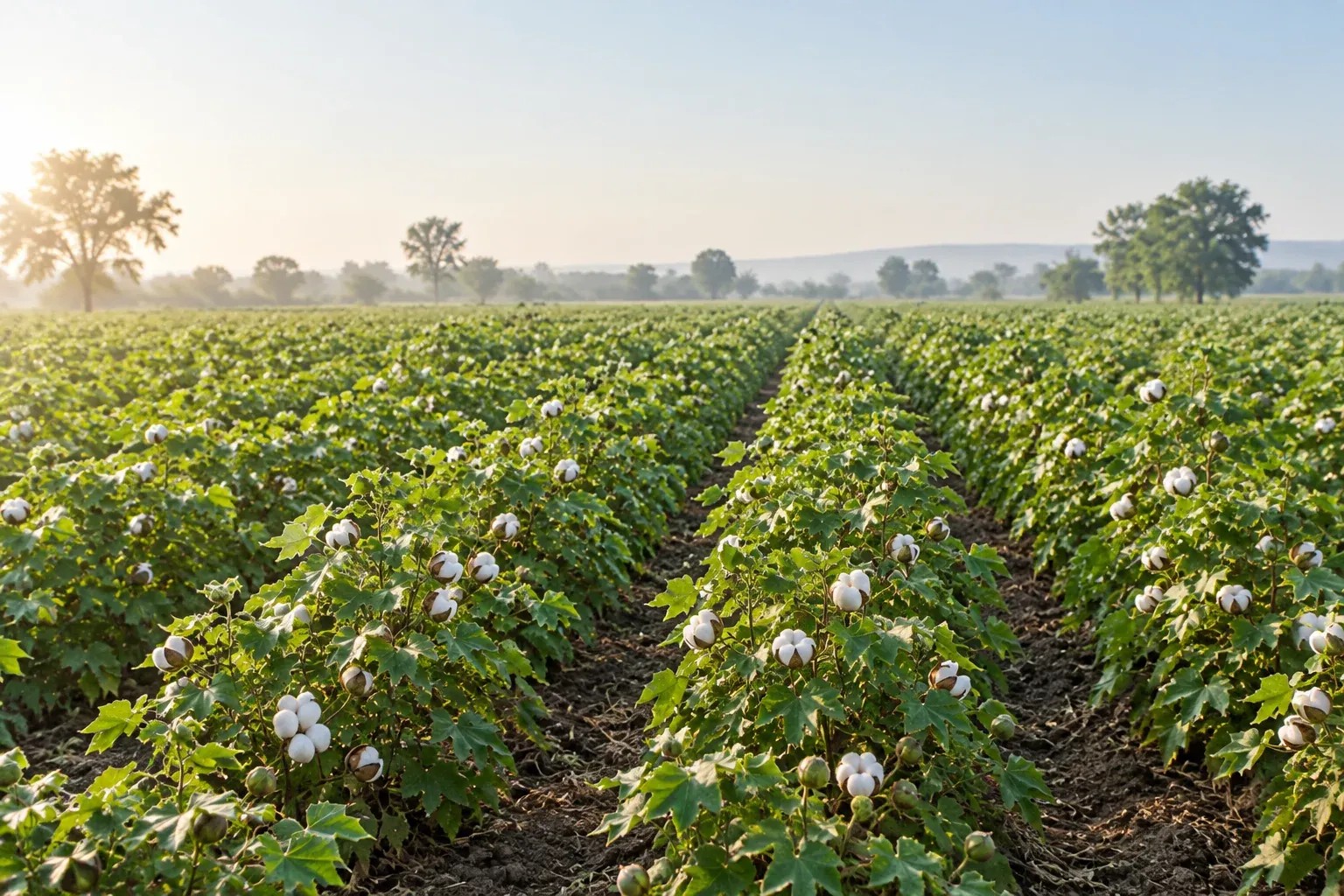
What Is HDPS? A Practical Overview of High-Density Planting in Cotton
HDPS stands for High-Density Planting System. It is a way of growing cotton in which compact, early-maturing hybrids are sown at closer spacing, so each acre carries far more plants than it does under conventional planting.
In India, where most cotton is grown by smallholders on rainfed land, this is one of the simpler ways to raise productivity without changing the crop. At Beetle Regen Solutions, we run an HDPS initiative with cotton farmers in Madhya Pradesh, including 260 farmers engaged in Khargone.
What Is HDPS, and What Does the Full Form Mean?
HDPS is the High-Density Planting System. It means growing early-maturing, compact cotton hybrids at closer spacing, which raises the number of plants per unit of land. Farmers in India use it mainly on rainfed fields, where a shorter, tidier crop can finish before the rains stop.
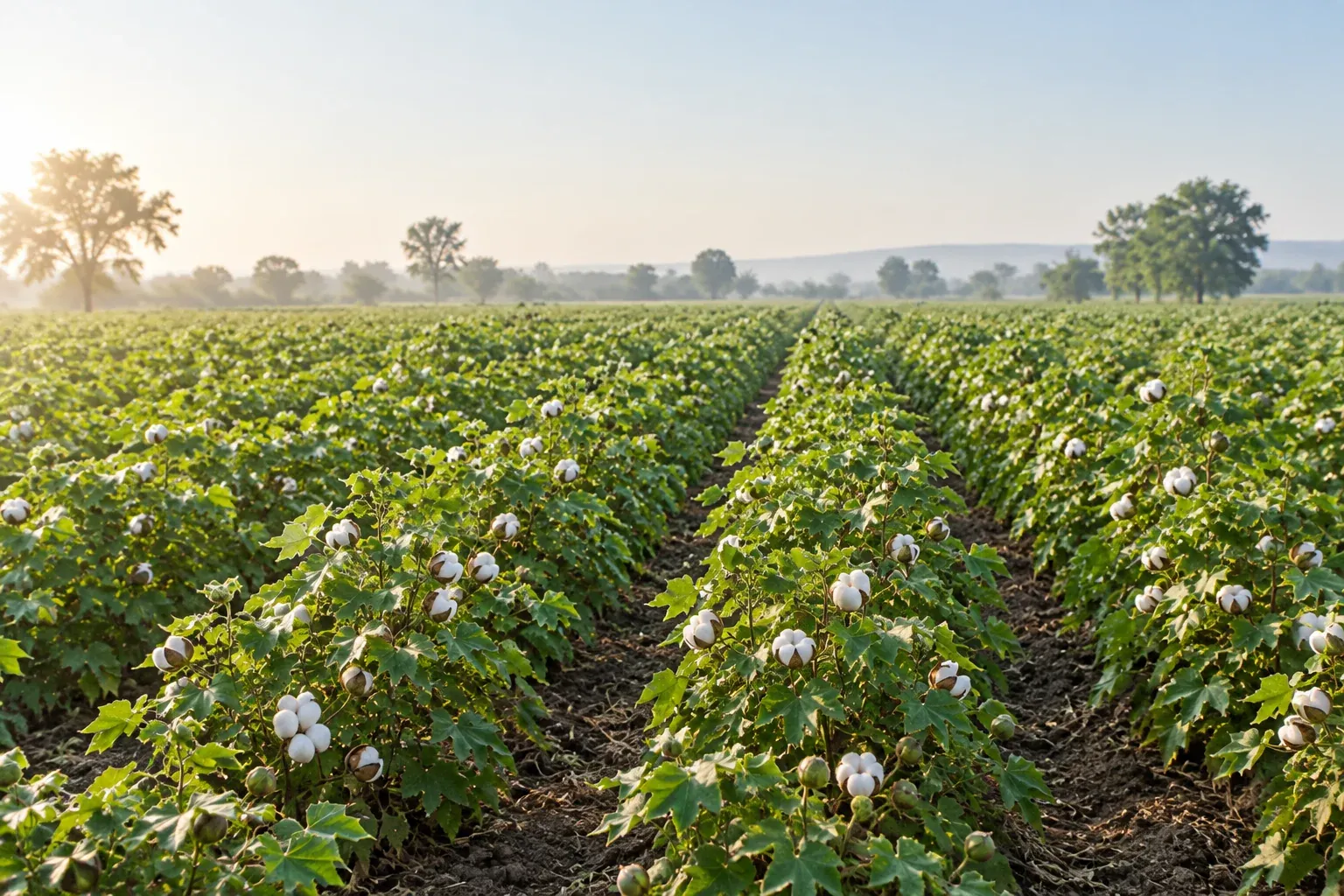
People searching for the HDPS full form or HDPS meaning are usually asking the same thing: what changes compared with the cotton their family has always grown? Three things change together. The plant is different (compact and early-maturing), the spacing is tighter, and the crop is managed more actively through the season.
The numbers explain why farmers take notice. In rainfed parts of Telangana, for example, conventional square planting uses a 90 x 90 cm spacing and carries around 10,000 plants per acre. HDPS lets farmers grow nearly three times as many cotton plants per acre, with a faster harvesting cycle and lower maintenance costs.
Why HDPS matters for Indian cotton right now
HDPS as a technology is not new. The gap has always been in getting it to the smallholder farmer with the right seed and the right guidance. That is the gap our team works on.
The policy backdrop is also moving. As our 2025-26 report notes, the Government of India has approved the Mission for Cotton Productivity with a financial outlay of ₹5,659 crore. It aims to raise lint productivity from 440 kg per hectare to 755 kg per hectare by 2031. Closer planting of the right hybrids is one practical route toward that kind of gain.
What Do Farmers Do Differently in an HDPS Field?
Farmers choose a compact, early-maturing hybrid, sow it at closer row and plant spacing, manage nutrients and plant height more actively, and pick earlier. The field looks denser, plants stay shorter, and the crop needs closer attention from sowing to harvest than conventional wide-spaced cotton does.
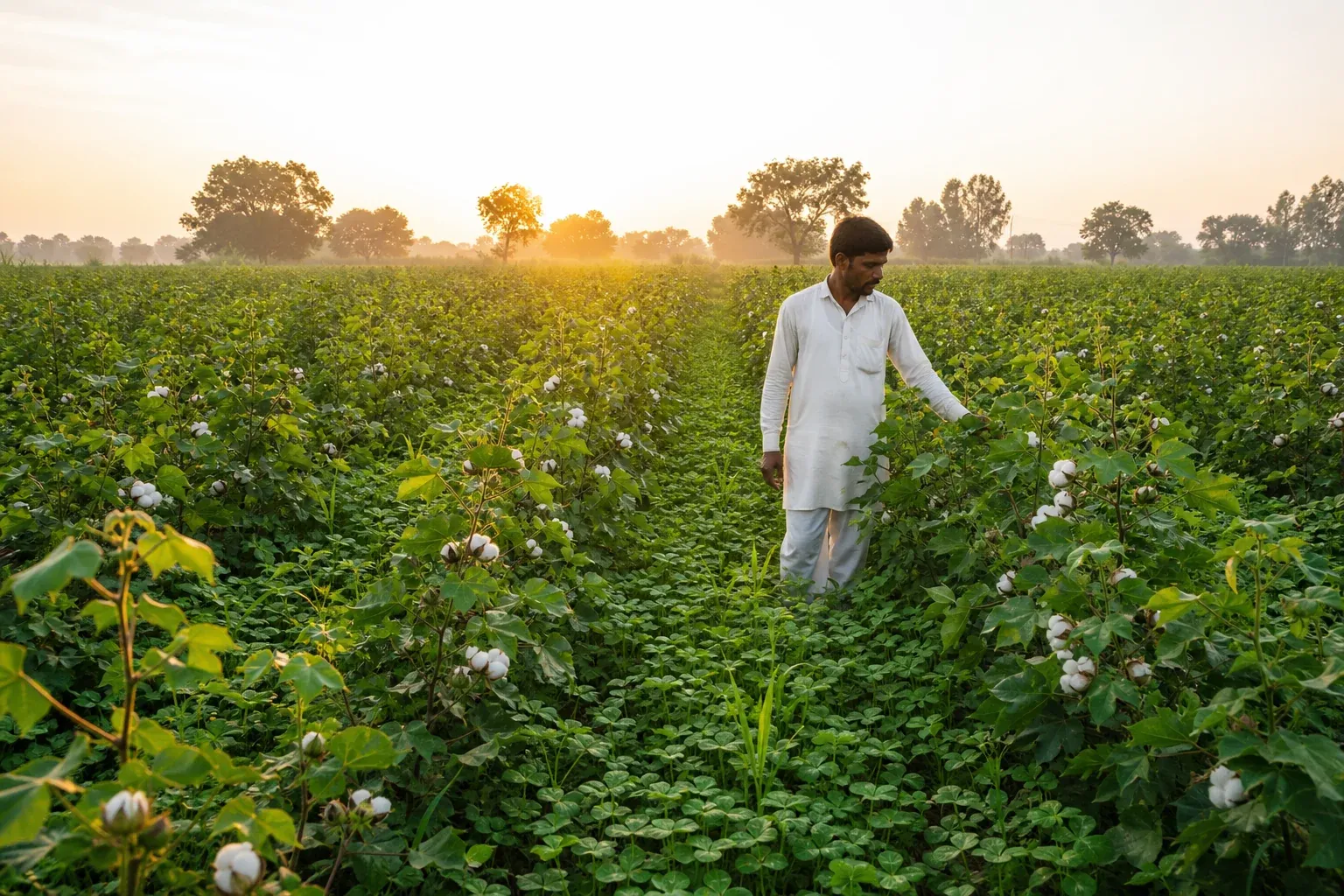
The table below sets the two approaches side by side in plain terms.
Step | Conventional planting | HDPS |
|---|---|---|
Seed | Often long-duration hybrids that grow tall and branchy | Compact, early-maturing hybrids that stay short |
Spacing | Wide; around 90 x 90 cm in the rainfed Telangana example above | Closer rows and closer plants in each row |
Plants per acre | Around 10,000 in that example | Nearly three times as many |
Crop management | Wide gaps allow bullock-drawn weeding between rows | Tighter canopy; nutrients and plant height need closer tracking |
Harvest | Longer crop cycle | Faster harvesting cycle |
Support needed | Familiar to most farmers | Training, matched seed and follow-up visits |
Which Cotton Varieties and Spacing Suit HDPS?
Compact, early-maturing hybrids suit HDPS best, because they stay short and set bolls in a tight window. Exact spacing varies by variety, soil and rainfall, so farmers should follow a local agronomist's recommendation and confirm seed availability before planning the season.
Trials in central India have compared a 90 cm row spacing with plant gaps of 30, 20 and 15 cm on rainfed black soil. That tells you the right gap is something to test and confirm locally, not a number to copy from another district.
Seed is the first practical hurdle. HDPS needs a matched variety sown at a higher seed rate, so seed that suits your area has to be available before the sowing window opens. This is why our scaling plan pairs HDPS with the right seed linkages and crop management techniques, not just a demonstration plot.
What does the season look like?
A typical HDPS season follows a simple order. We describe it in general terms here, because the details change by region.
Choose the plot. Pick land where an early-maturing crop makes sense, usually rainfed fields with decent drainage.
Get matched seed. Use a compact hybrid recommended for your area, in time for sowing.
Sow at the advised spacing. Mark rows carefully; uneven gaps defeat the purpose of the system.
Manage nutrients and plant height. Dense cotton responds to feeding and canopy management, so follow the advice for your variety.
Harvest earlier. The crop cycle is faster, so plan labour and picking to match.
What Results Has Beetle Reported From HDPS?
Beetle's 2025-26 report shows HDPS across more than 2,000 hectares with higher yields, better profitability and better resource efficiency. Participating farmers in Madhya Pradesh and Maharashtra reported about 25% higher cotton yield than conventional planting, and our wider programme shows 18% higher yield against control farmers.
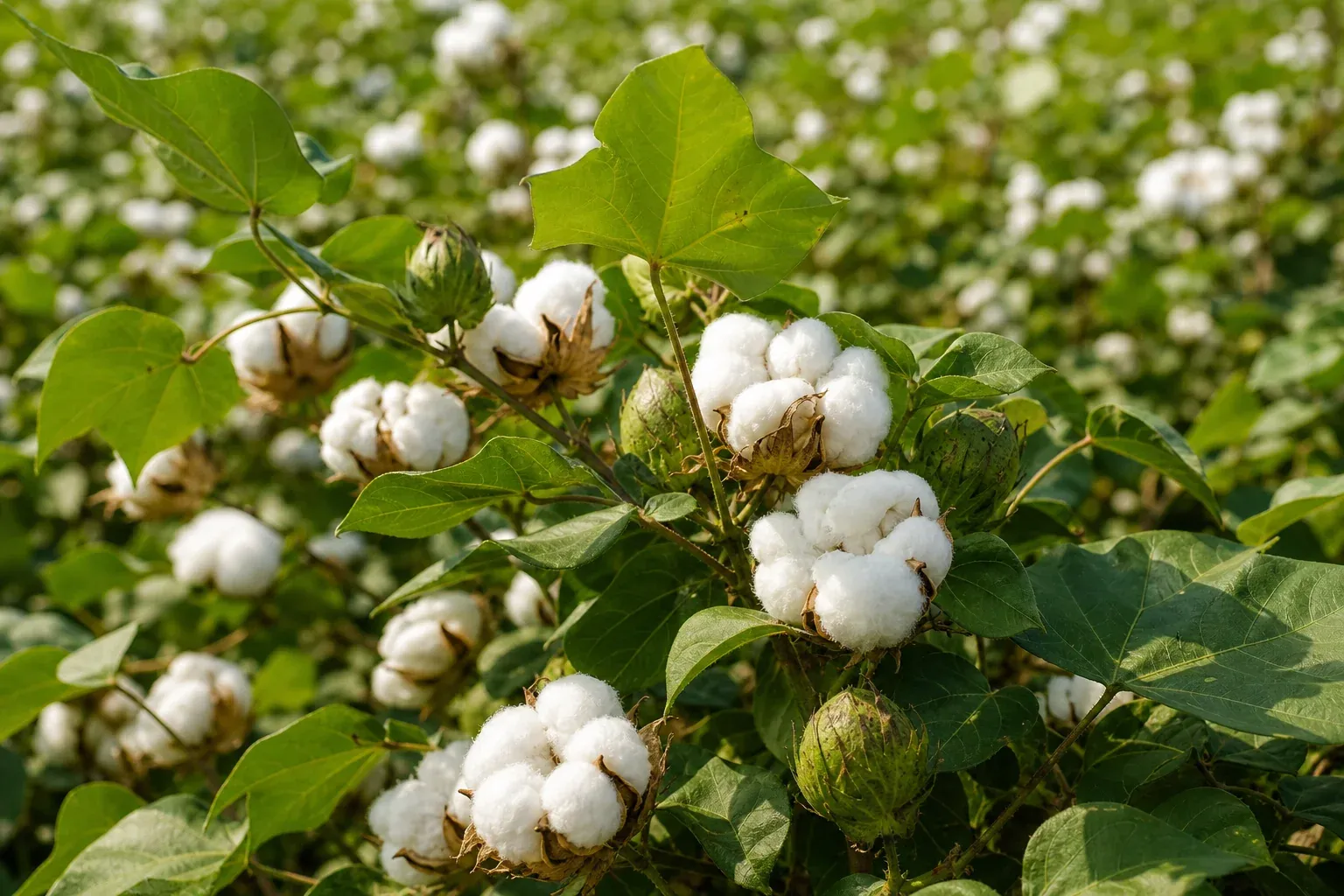
Here is what the report says, and the basis for each number, so you can read them correctly.
HDPS scale: results across more than 2,000 hectares, with a plan to scale to more than 20,000 hectares in the coming year.
HDPS programme reach: more than 2,800 farmers across 2,100 hectares in Madhya Pradesh and Maharashtra. Participating farmers reported an average cotton yield increase of about 25% compared with conventional planting, as early results.
Khargone: 260 farmers currently engaged in HDPS, where we expect it to improve productivity and resource efficiency.
The next figures are broader. They cover our regenerative programme as a whole, not HDPS alone. Compared with control group farmers in 2025-26, participating farmers recorded about 18% higher yield and about 38% higher net annual income. They also reported about 23% lower chemical fertiliser use and about 16% better water-use efficiency in cotton.
Read those as programme results. HDPS is one of several practices, alongside biochar and other regenerative methods, and each farmer adopts four to five practices on average. We do not claim HDPS alone produced the 38% income figure.
What still needs work
Our report is frank about one lesson. Farmer uptake is strongest where benefits are visible and quick, which suits HDPS well. But practice varies from farm to farm, so consistency needs continued handholding. Spacing mistakes or late nutrient decisions can cost a farmer the gain.
Input costs can also rise under closer planting, mainly through seed. Farmers should weigh that against expected yield before committing a large area in the first season. For a wider look at the yield mechanics, see our explainer on how high-density planting boosts cotton yield.
Is HDPS Right for Your Farm or Supply Chain?
HDPS suits farms with access to compact hybrid seed, enough local training and fields where early maturity helps, especially rainfed cotton. It suits cooperatives and brands that can support farmers through the season. It is a weaker fit where matched seed or agronomy support is missing.
Before you decide, run through these questions.
Can you get a compact, early-maturing hybrid suited to your district before sowing?
Is there a trainer or agronomist who can visit during the season, not just at sowing?
Can you afford the higher seed cost in the first year, and start on a part of your land?
For cooperatives and brands: can you record spacing, seed and practices plot by plot so results can be checked?
Brands weighing regenerative cotton should treat HDPS as a productivity tool that sits inside a larger farm programme. It pairs with the practices described in what regenerative cotton means, and it needs records that link results back to the farm.
One caution on carbon. HDPS does not by itself create carbon income. Carbon revenue depends on project design, verified outcomes, credit issuance, market value, project costs and the agreed benefit-sharing mechanism. Farmers should ask for those terms in writing before enrolling in any carbon project.
How Can Farmers and Cooperatives Get Started With Beetle?
Farmers and cooperatives can start by contacting Beetle Regen at [email protected] or +91 95997 80890, then joining a training programme where our experts teach the practices and partners support the season. We also work on seed linkages and crop management so HDPS plots do not stall at sowing.
Our model is collaborative. Our experts train farmers, and stakeholders work together in a shared programme, in partnership with field organisations such as the Niranjanlal Agrawal Foundation, which leads on-ground mobilisation, demonstration plots and monitoring in our programme states. You can see where we work on our projects page.
If you are a farmer group, a ginner, a spinner or a brand team that wants to test HDPS on a defined area, contact our team with your district, crop area and sowing window. We will tell you what seed, training and records would be needed for a first-season pilot.